CHILE · ECONOMY
Key Facts
- —The country Chile, which sells the world about a quarter of its copper and prices its economy off that.
- —What happened Output shrank in each of the first two quarters of 2026, measured against the same quarters a year earlier.
- —What Chileans are calling it A technical recession. Two shrinking quarters in a row is the usual test.
- —The complication Measured the other standard way, quarter against quarter, the second quarter did not shrink. It was flat.
- —Who is arguing A former central bank governor says recession. The current finance minister says no.
- —The number nobody disputes Activity fell 1.5% in July, the steepest drop in more than three years.
Two respectable ways of measuring the same economy give two different answers about whether Chile is in recession. The argument has reached the cabinet.
Chile’s economy has stopped growing, and the country cannot agree on what to call it. The dispute runs between two ways of reading the same figures.
What the Central Bank Published
National accounts for the second quarter came out on 18 August. Output was 0.2% lower than in the same quarter of 2025.
The first quarter was revised at the same time, from a fall of 0.5% to a fall of 0.3%. Two quarters down, year on year.
That is the reading Chilean commentary reaches for. By that measure the country had a recession in the first half of the year.
The Measure That Says Otherwise
Economists have a second way to read the same quarters. Strip out the seasons and compare each quarter with the one immediately before it.
On that basis the first quarter fell 0.3%. The second quarter did not fall at all.
The central bank’s own wording was that activity showed no variation against the previous quarter. Carried to the last decimal, it was minus 0.02%.
The international shorthand for a technical recession is two consecutive quarter-on-quarter falls. Chile did not have two.
The Argument Inside the Government
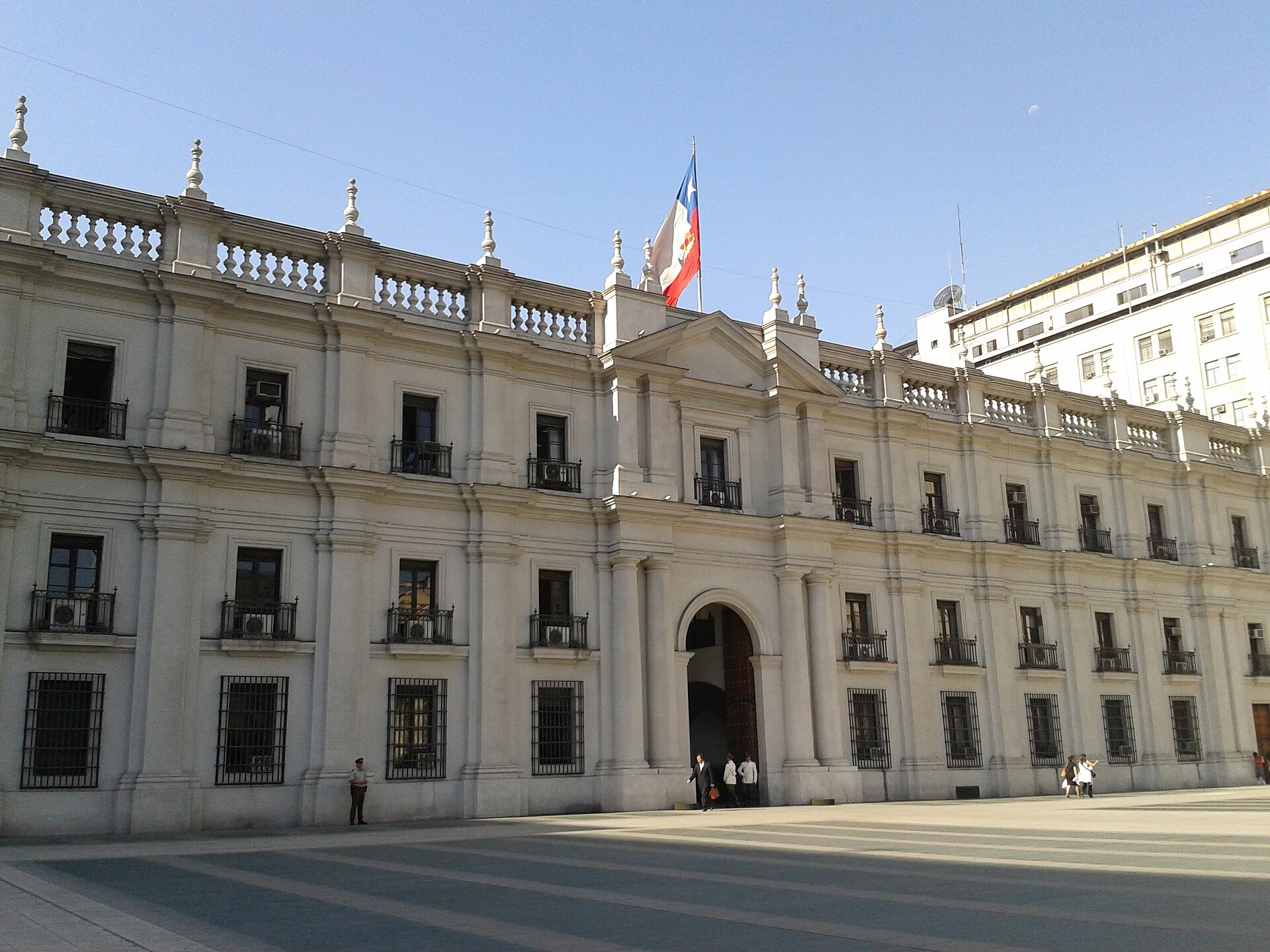
Finance Minister Jorge Quiroz has been direct. There is no technical recession, he said.
Daniel Mas, who holds the economy and mining portfolio, went as far as calling the period demanding.
Rodrigo Vergara, who ran the central bank until 2016, takes the other side. Chile had a technical recession in the first half of the year, he said.
Jorge Selaive at Scotiabank and Valentina Apablaza at Universidad Diego Portales agree with him. The central bank itself has stayed out, and has never used the word in a release.
July Made It Worse
On 1 September the central bank published its monthly activity index for July. It was down 1.5% against July 2025, and 1.7% against June once seasons are stripped out.
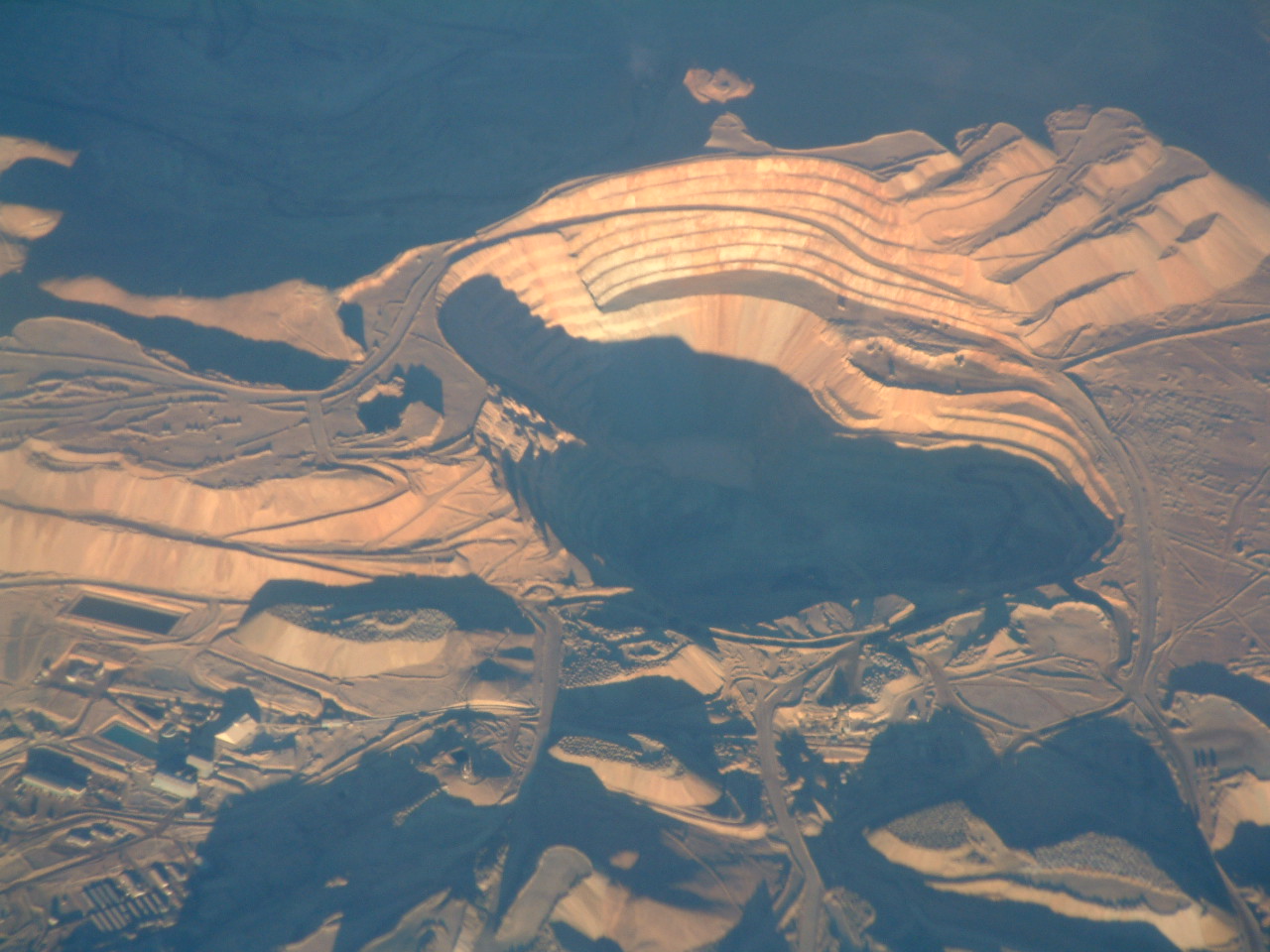
Take mining out and the fall shrinks to 0.3%. Mining is where the damage was, through poorer ore grades and bad weather at the pits.
Diario Financiero called it the steepest fall in more than three years. That is what the record supports, and it is bad enough.
What the July figure points to is a third quarter that may also be negative. It does not settle the argument about the first half.
Why a Word Is Worth Fighting Over
Recession is a word with consequences. It moves currency positions and frames election arguments.
It also changes how a country is described to people deciding where to put their money.
Chile is unusually exposed to that description. It has spent thirty years selling itself as the predictable economy in a volatile neighbourhood.
The underlying figures are not in dispute at all. Output was flat against the previous quarter and 0.2% lower than a year before.
Anyone holding those two numbers has the whole picture, whichever label wins.
The Politics Arrived First
The figures landed in the same month that pollsters gave President José Antonio Kast a six-month grade of 3.4 out of seven.
His approval had already been sliding before the July activity number, so the economy did not cause the fall on its own.
What it did was remove the argument that the programme was working. The central bank had already halved its growth forecast for the year.
Third-quarter accounts are the next test. They will decide whether the first half was a dip or the start of something longer.
More: Chile news and analysis, every day from The Rio Times.
Frequently Asked Questions
Is Chile in a recession?
It depends on the measure. Year on year, two quarters fell. Quarter on quarter, the second quarter was flat.
What did the central bank say?
It published the figures and has not used the word recession in any release.
What were the GDP numbers?
Minus 0.2% in the second quarter and minus 0.3% in the first, against the same quarters of 2025.
Who says there is no recession?
Finance Minister Jorge Quiroz. Former central bank governor Rodrigo Vergara says there was one.
What happened in July?
Monthly activity fell 1.5% against a year earlier, the steepest drop in more than three years.
What caused it?
Mining, mainly. Strip mining out and the July fall shrinks to 0.3%.
Sources: Banco Central de Chile, Emol, Cooperativa, Diario Financiero, The Clinic.
This article was produced by The Rio Times’ automated newsroom system. How we use AI · Report an error · Editorial responsibility: Matthias Camenzind, Editor-in-Chief
In depth