Copper’s Slide Hits Peru’s Market Harder Than Chile’s
Markets
Key Facts
—The drop. Copper fell about 3.85% in the last week of June to $13,066 a tonne on the London exchange, a seven-week low.
—The cause. A dollar at a thirteen-month high and hawkish signals from the US Federal Reserve pressured industrial metals.
—The split. Peru’s market moves about 0.85% for each 1% move in copper; Chile’s IPSA has a far weaker link.
—The tariff. Washington may impose a 15% tariff on refined copper from 2027, possibly rising to 30% in 2028.
—The odds. Morgan Stanley puts the chance of the tariff at about 43%, while BNP Paribas expects a delay.
—The supply. Chilean copper output fell 12.9% year-on-year in May, tightening an already stretched market.
Copper is the red thread running through the Andean economies, and when it drops, their stock markets feel it. This time, one felt it far more than the other.
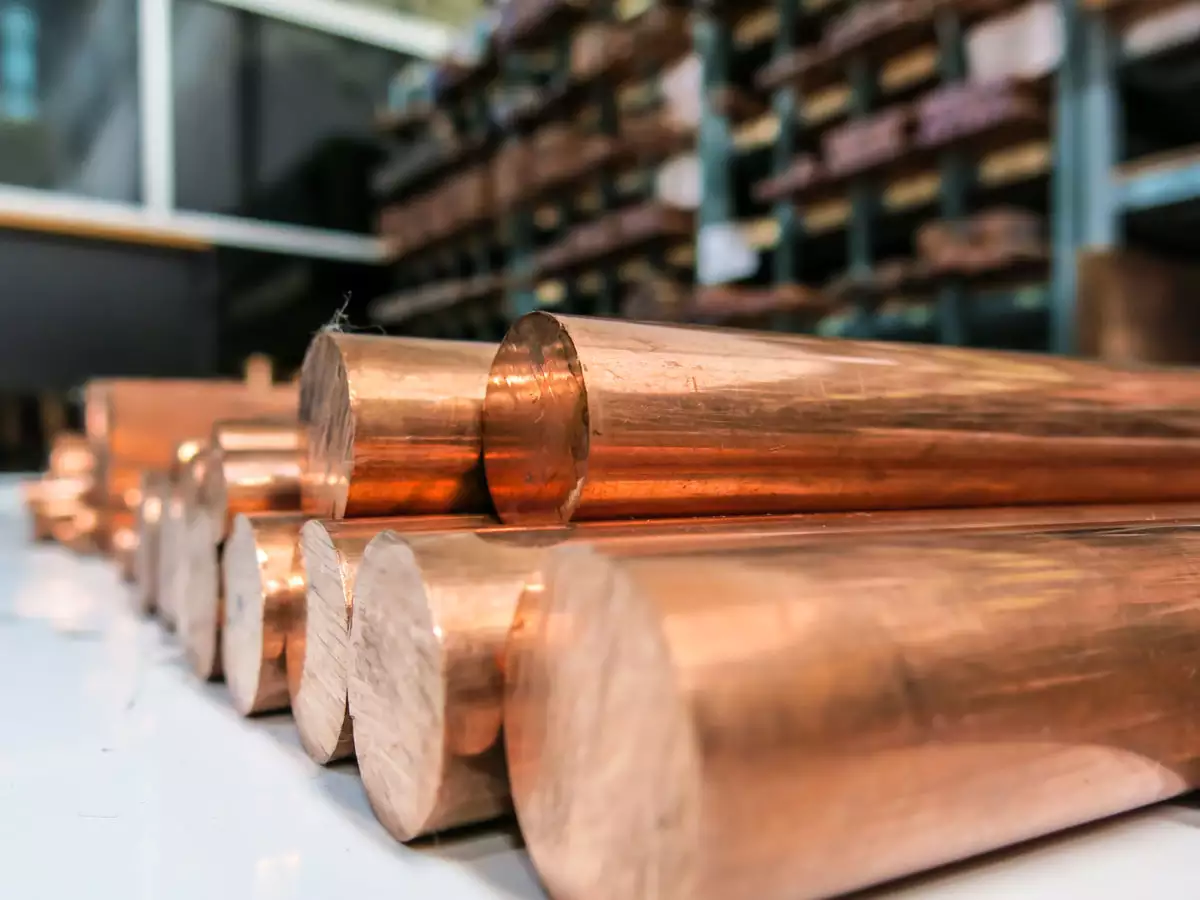
A late-June slide in the copper price sent a jolt through the stock markets of Chile and Peru, the world’s two largest producers. Behind the fall sat a strong dollar and a nervous read on US interest rates.
Layered on top is a trade threat from Washington. The uncertainty has left investors in both countries watching two things at once: the metal and the tariff.
Why copper fell
The move was sharp. Copper dropped about three point eight five percent in the final week of June, hitting thirteen thousand and sixty-six dollars a tonne on the London Metal Exchange, its lowest in seven weeks.
The driver was mostly monetary, not physical. The dollar climbed to a thirteen-month high, and a hawkish turn at the US Federal Reserve raised the prospect of higher rates, both of which weigh on industrial metals.
A stronger dollar makes copper costlier for buyers holding other currencies. That dampens demand at the margin, and the red metal gave back part of its strong run this year.
Why Peru’s market feels copper more
Here is where the two markets part ways. Peru’s stock market is far more tightly bound to the copper price than Chile’s is.
The numbers are striking. Analysts at the brokerage XTB estimate Peru’s market moves about zero point eight five percent for every one percent move in copper, matching its direction four times out of five over the past five years.
Chile’s benchmark is a looser fit. Its IPSA index shows only a weak statistical link to copper, because banks, retailers and other sectors carry more weight in the index.
For an investor, that difference is the whole point. Exposure to Lima’s market is close to a direct bet on copper, while Santiago offers a more diversified, and more cushioned, ride.
Live Market IntelligenceChile — Live Market Board
Rio Times · Live Market Intelligence
Chile — Live Market Board
+0.17%
209,066.90
+1.38%
66,746.78
+1.06%
11,043.36
+0.17%
2,828,027
-0.16%
2,531.15
+0.00%
60,956.11
-0.51%
| Instrument | Last | Change | YoY | Prev. | High | Low | Volume |
|---|---|---|---|---|---|---|---|
| IPSA | 11,043.36 | +0.17% | — | 11,024.22 | 11,210 | 10,984 | 1,513,213,483 |
| USD/CLP | 913.98 | +0.04% | -5.67% | 913.65 | 915.11 | 906.68 | — |
| COPPER | 6.61 | +0.03% | +46.70% | 6.61 | 6.71 | 6.61 | 39,543 |
| SQM-B | 65,305 | -0.84% | +49.03% | 65,860 | 66,949 | 64,978 | 76,539 |
| COPEC | 5,964 | -1.09% | -11.70% | 6,030 | 6,100 | 5,960 | 634,331 |
| BSANTANDER | 78.37 | -2.28% | +35.94% | 80.20 | 81.69 | 78.34 | 36,288,711 |
| FALABELLA | 6,334 | -1.48% | +23.28% | 6,429 | 6,450 | 6,300 | 26,085,814 |
| ENELAM | 87.09 | +0.10% | -10.13% | 87.00 | 87.40 | 86.50 | 13,106,417 |
| CENCOSUD | 1,946 | -2.19% | -35.30% | 1,990 | 2,010 | 1,945 | 966,528 |
| CMPC | 1,020 | -1.96% | -29.10% | 1,040 | 1,050 | 1,015 | 3,526,677 |
| BANCO CHILE | 184.96 | -1.01% | +32.87% | 186.85 | 189.99 | 184.33 | 18,101,240 |
| LATAM AIR | 24.08 | -1.11% | +16.61% | 24.35 | 24.59 | 23.88 | 573,612,753 |
| SOUTHERN COPPER | 193.97 | -0.26% | +104.01% | 194.48 | 199.36 | 192.59 | 367,102 |
The tariff hanging over the market
The bigger question is coming from Washington. The United States is weighing a tariff on refined copper, potentially fifteen percent from 2027 and rising toward thirty percent in 2028.
The odds are genuinely uncertain. Morgan Stanley puts the chance of the measure at roughly forty-three percent, while BNP Paribas expects the decision to be delayed, which would soften the near-term hit.
A tariff would scramble trade flows. It would pull copper toward American warehouses, widen the premium of the US price over London, and favour producers with operations inside the United States.
Analysts see the direct blow to Chile and Peru as limited. America refines little copper itself, so it cannot easily replace Andean supply, and both countries can redirect metal to other buyers.
Why it matters
For foreign investors, this is a lesson in how to read the Andes. Two economies that look similar from a distance respond very differently to the same commodity, and the gap sits in the make-up of their stock markets.
The supply side adds a floor under the story. Chilean output fell almost thirteen percent in May from a year earlier, keeping the market tight even as prices wobble.
The honest read is that this is noise on a strong base. Copper is still well above last year’s levels, and the structural demand from electrification and data centres has not gone away.
More: Chile news in English, every day from The Rio Times.
Frequently Asked Questions
Why did copper fall in late June?
Copper dropped about three point eight five percent to roughly thirteen thousand dollars a tonne on the London exchange, a seven-week low. The main causes were a dollar at a thirteen-month high and hawkish signals from the US Federal Reserve, both of which pressure metals priced in dollars.
Why is Peru’s market hit harder than Chile’s?
Peru’s stock market moves roughly zero point eight five percent for each one percent move in copper and follows its direction most of the time. Chile’s IPSA has a much weaker statistical link, because banks, retailers and other sectors carry more weight in the index.
What would a US refined-copper tariff do?
A proposed fifteen percent tariff from 2027 would pull copper toward US warehouses and widen the premium of the US price over London. Analysts see limited direct damage to Chile and Peru, since America refines little copper itself and both countries can redirect metal elsewhere.
This article was produced by The Rio Times’ automated newsroom system. How we use AI · Report an error · Editorial responsibility: Matthias Camenzind, Editor-in-Chief