Brazil’s Antitrust Watchdog Moves Against the Stock Exchange Itself
Markets
Key Facts
Brazil antitrust enforcers have taken aim at an unusual target, the very stock exchange where the country’s shares are traded, accusing the near-monopoly of bullying out competitors in a case that could reshape how Brazilian markets work.
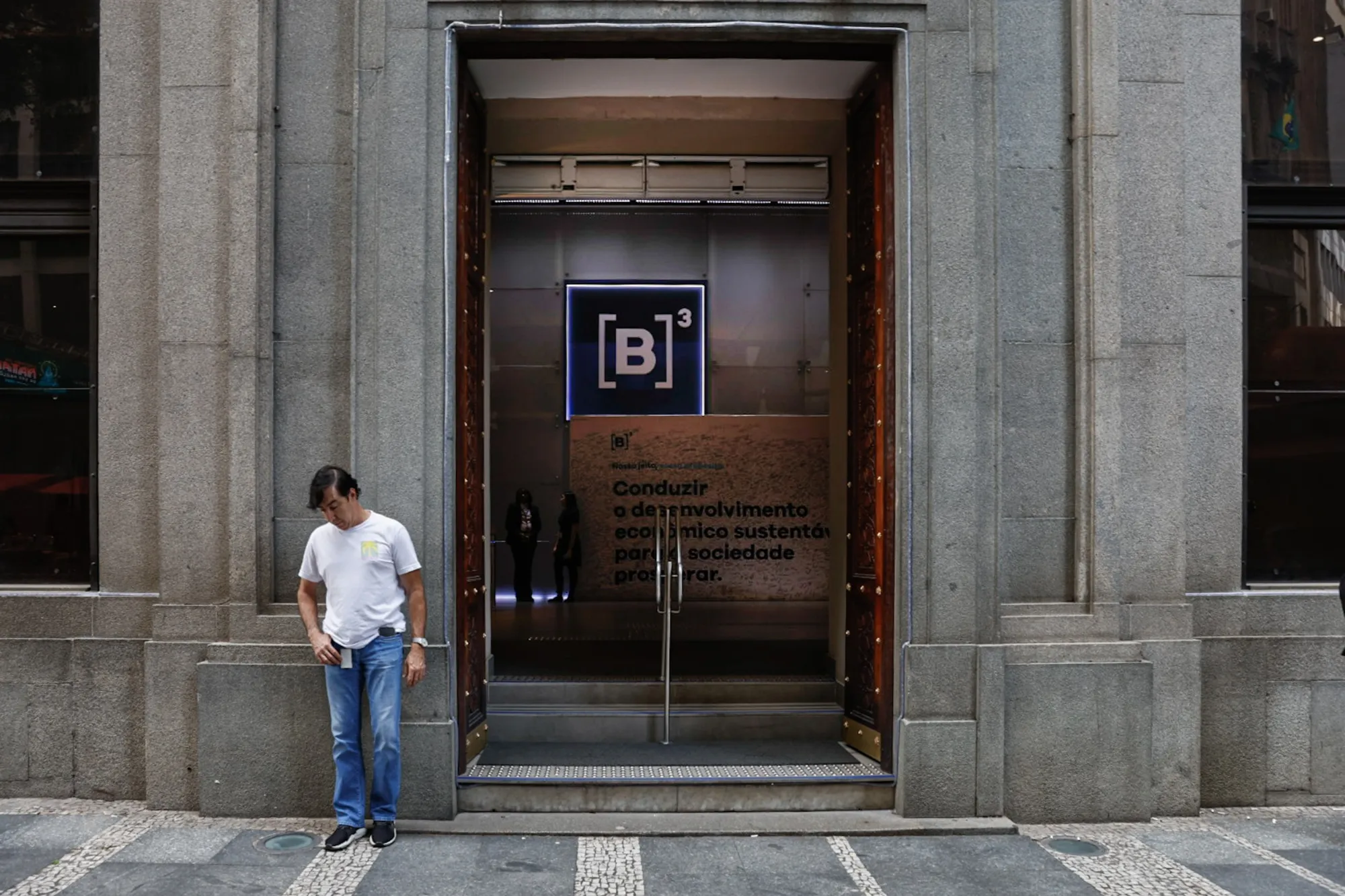
Brazil’s competition regulator has gone after a giant most investors take for granted. It has recommended condemning B3, the company that runs the country’s only major stock exchange, for abusing its dominant position.
The recommendation came from the investigative arm of Cade, Brazil’s antitrust authority. It found that B3 used its grip on the market’s plumbing to make life hard for would-be rivals.
For a foreign investor, this is worth pausing on. Almost every Brazilian share, derivative and trade settlement passes through this single company, so an attack on its conduct touches the whole market.
What the Brazil antitrust case alleges
The complaint focuses on the unglamorous back office of finance. It concerns the registration and custody of financial assets, the record-keeping that confirms who owns what after a trade is done.
By the regulator’s official account, B3 holds a dominant position in that infrastructure and used commercial tactics to keep challengers out, reinforcing barriers to entry across markets essential to the financial system.
The specific practices are familiar from monopoly cases worldwide. Investigators point to tied selling, where services are bundled together, along with exclusivity clauses, conditioned discounts and loyalty schemes that lock customers in.
The case is not new. It began in 2022 after a complaint from CSD BR, a firm that wanted to compete in registration and custody and said B3’s conduct blocked its path.
One detail cuts to the heart of the dispute. Regulators say B3 also raised obstacles to interoperability, the technical plumbing that would let a rival’s systems connect to its own, without which no competitor can function.
The reach of the inquiry is wide. Beyond shares and bonds, it extends to the registration of insurance operations, underlining how much of Brazil’s financial record-keeping runs through one company.
Why a single exchange holds so much power
B3 is unusual even among the world’s exchanges. It is effectively the only game in town, handling trading, clearing, settlement and custody all under one roof.
That concentration brings efficiency but also power. When one company controls the rails the whole market runs on, it can set the terms on which everyone else must play.
The remedies the regulator proposed aim straight at that grip. Alongside a fine of about one hundred million reais, near nineteen million dollars, it suggested banning the exclusionary bundling and exclusivity that it says shut rivals out.
Those behavioral fixes may matter more than the money. For a company of B3’s size, the fine is modest, but rules forcing it to open its infrastructure could change its business for good.
What the Brazil antitrust ruling means next
An important caveat comes first. This is a recommendation, not a final verdict, and B3 has not been convicted of anything yet.
The case now passes to Cade’s tribunal, the panel that issues the binding decision. It can accept the recommendation, soften it, or reject it, and the company will get its chance to respond.
B3 itself flagged the development to the market. The company disclosed the recommendation the same day, noting that it produces no immediate effect while the tribunal weighs the case.
What it means for investors
For investors, the bigger story is competition, not the penalty. If the tribunal forces B3 to open its plumbing to rivals, the cost of trading and settling in Brazil could fall over time.
There is a flip side for B3’s own shareholders. The same fees that draw the regulator’s scrutiny are part of what makes the company so profitable, so a forced opening could squeeze its margins.
The case also signals something broader about Brazil. Regulators are increasingly willing to challenge entrenched champions, a shift that can unsettle incumbents but reassure those who want more open markets.
The wider lesson reaches past one exchange. As finance runs more and more on shared digital infrastructure, who controls that infrastructure, and on what terms, is becoming one of the defining contests in modern markets.
Brazil antitrust questions, answered
What did the Brazil antitrust regulator decide about B3?
The investigative arm of the regulator, Cade, recommended condemning B3 for abusing its dominant position in asset registration and custody. It proposed a fine of about one hundred million reais and rules to curb the conduct.
Is B3 now guilty?
No, not yet, because this is a recommendation rather than a final ruling and has no immediate effect. The case goes to Cade’s tribunal, which can accept, change or reject it, and B3 can defend itself.
Why does it matter for investors?
Almost all Brazilian trades flow through B3. If regulators force it to open its infrastructure to rivals, trading and settlement costs could fall, though B3’s own profit margins might come under pressure.
More: Brazil news in English, every day from The Rio Times.
Who filed the complaint against B3 and when did the case begin?
The case began in 2022 following a complaint by CSD BR, a would-be rival to B3. CSD BR's complaint prompted Brazil's antitrust authority, Cade, to investigate B3's conduct in the financial markets.
What specific behaviors is B3 accused of in the antitrust case?
B3 is accused of abusing its dominant position in asset registration and custody through tied selling, exclusivity clauses, and loyalty discounts. These practices allegedly made it difficult for potential competitors to enter the market.
What is the proposed penalty against B3 and is it final?
The recommended penalty is approximately R0 million ( million), along with behavioral remedies. However, the recommendation is not a final verdict, as a tribunal still needs to decide the outcome of the case.
Connected Coverage
This article was produced by The Rio Times’ automated newsroom system. How we use AI · Report an error · Editorial responsibility: Matthias Camenzind, Editor-in-Chief