Fuel Shortages and Repression Are Pushing Burundians Out, Even as Congolese Refugees Pour In
Burundi · ECONOMY
Key Facts
- —What happened Burundians are leaving the country as fuel shortages, foreign-exchange constraints and political repression squeeze households and commerce.
- —How big More than 70,000 Congolese refugees had crossed into Burundi by September 2025, according to Human Rights Watch citing the United Nations refugee agency.
- —The numbers The International Monetary Fund says growth reached 4.2 percent in 2025, but reserves cover only 1.6 months of imports and the official exchange rate is overvalued by an estimated 72 percent in real effective terms.
- —Who it hits The World Food Programme assisted more than 156,000 refugees and asylum seekers in early 2026, but cut rations to 75 percent because of funding gaps.
- —What comes next Border closures with Rwanda and the Democratic Republic of Congo, weak dollar earnings and severe humanitarian funding shortfalls point to continued strain.
The Burundi exodus is being driven by a mix of economic collapse and political repression, even as the country absorbs a major refugee influx from the eastern Democratic Republic of Congo conflict.
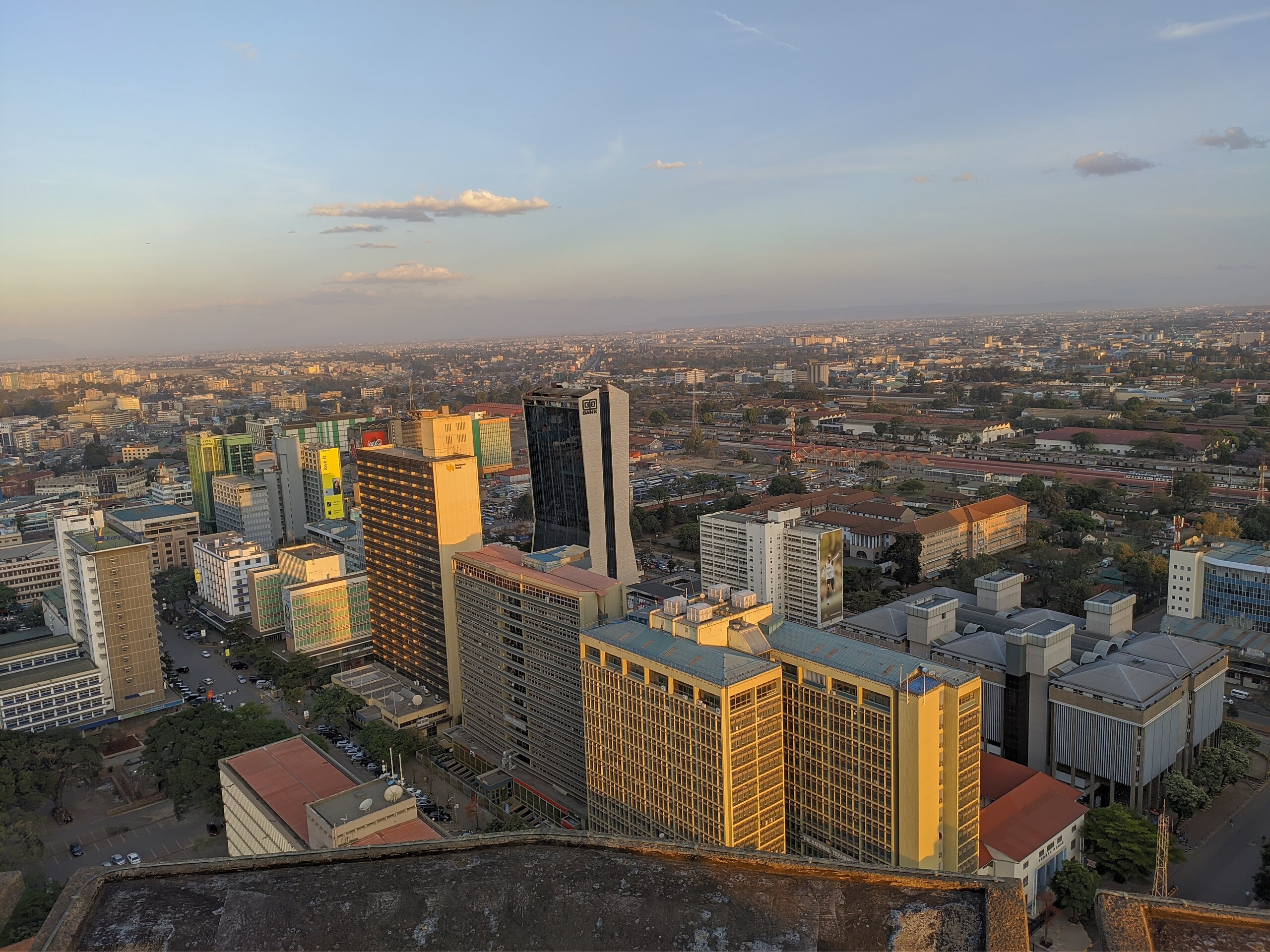
Burundians are fleeing their country as fuel shortages, foreign-exchange constraints and political repression squeeze daily life. The ruling CNDD-FDD consolidated power in the 2025 elections amid intimidation, arbitrary arrests and disappearances, according to Human Rights Watch.
The economic squeeze behind the Burundi exodus
The International Monetary Fund says Burundi’s growth reached 4.2 percent in 2025. But that headline number masks deep external vulnerabilities.
Reserves cover only 1.6 months of imports, and the official exchange rate is overvalued by an estimated 72 percent in real effective terms. Inflation fell to 8.6 percent in April 2026 from 45 percent in April 2025, yet the gap between official and parallel exchange rates continues to strain households and commerce.
Human Rights Watch says fuel shortages and foreign-exchange constraints have hit ordinary Burundians hard. The result is a daily struggle for basic goods and services.
Political repression pushes people out
Rights groups say the ruling CNDD-FDD, the National Council for the Defence of Democracy–Forces for the Defence of Democracy, tightened its grip after the 2025 elections. Heavy restrictions on media and civil society have narrowed space for dissent.
Arbitrary arrests and disappearances are documented in the Human Rights Watch World Report 2026. This climate of fear compounds the economic pressures driving people to leave.
The pattern is not new, but it has intensified. For many Burundians, staying means accepting both poverty and silence.
A refugee crisis on top of an exodus
Burundi is not only losing people; it is also receiving them. More than 70,000 Congolese refugees had crossed into Burundi by September 2025, according to Human Rights Watch citing the United Nations refugee agency, UNHCR.
By February 2026, the Congolese refugee population had grown to about 230,000, according to FEWS NET and UNHCR. More than 100,000 of those arrived since 6 December 2025.
The World Food Programme assisted more than 156,000 refugees and asylum seekers in early 2026. But funding gaps forced the agency to reduce rations to 75 percent.
The regional and great-power angle
Burundi’s army has operated in eastern Democratic Republic of Congo, while conflict there continues to drive displacement into Burundi. The country sits at the centre of a volatile regional security map.
Border closures with Rwanda and the Democratic Republic of Congo have added to economic strain. Weak dollar earnings and fuel scarcity make recovery harder.
For investors and diplomats watching East Africa, the Burundi exodus is a warning sign. It shows how quickly economic and political pressures can feed each other in a fragile state.
The wider scramble for influence in Africa adds another layer. Read more in Africa: The New Scramble.
What to watch next
Humanitarian funding shortfalls are severe, and the World Food Programme has already cut rations. Without new money, conditions for refugees and host communities will worsen.
The International Monetary Fund has flagged the overvalued official exchange rate as a key risk. Any adjustment would have major consequences for prices and trade.
Watch for further displacement from eastern Democratic Republic of Congo and any shift in Burundi’s border policies. The next few months will test how much strain the country can absorb.
Frequently Asked Questions
Why are Burundians fleeing their country?
They are leaving because of economic collapse, fuel shortages, foreign-exchange constraints and political repression under the ruling CNDD-FDD.
How many refugees has Burundi received from DR Congo?
By February 2026, the Congolese refugee population in Burundi was about 230,000, with more than 100,000 arriving since 6 December 2025.
What is the state of Burundi’s economy in 2026?
The International Monetary Fund says growth reached 4.2 percent in 2025, but reserves cover only 1.6 months of imports and the official exchange rate is overvalued by an estimated 72 percent in real effective terms.
Connected Coverage
Sources
This article was produced by The Rio Times’ automated newsroom system. How we use AI · Report an error
LatAm Markets: Live Signals → — real-time movers, turnover leaders and FX across Latin America.
Read More from The Rio Times