Brazil’s Workers’ Party Picks Edinho Silva, Signals Focus on Stability Over Radical Change
Brazil’s Workers’ Party (PT) has chosen Edinho Silva as its new president, setting the tone for a more stable and coalition-driven approach as the country prepares for the 2026 elections.
Edinho Silva, who previously served as mayor of Araraquara and as a minister under Dilma Rousseff, won 73.48% of the vote in a nationwide party election.
Over 2.9 million PT members could vote, though some states are still finalizing results. President Lula da Silva and the party’s main faction, Construindo um Novo Brasil, supported Silva.
This leadership change comes as Brazil faces economic challenges, including high inflation and falling government approval ratings. PT’s disappointing results in recent local elections have sparked debates within the party.
Some members want to move further left, while others believe building alliances with centrists is the only way to win national elections. Edinho Silva’s victory shows the party prefers broad alliances and moderation over a shift to the far left.
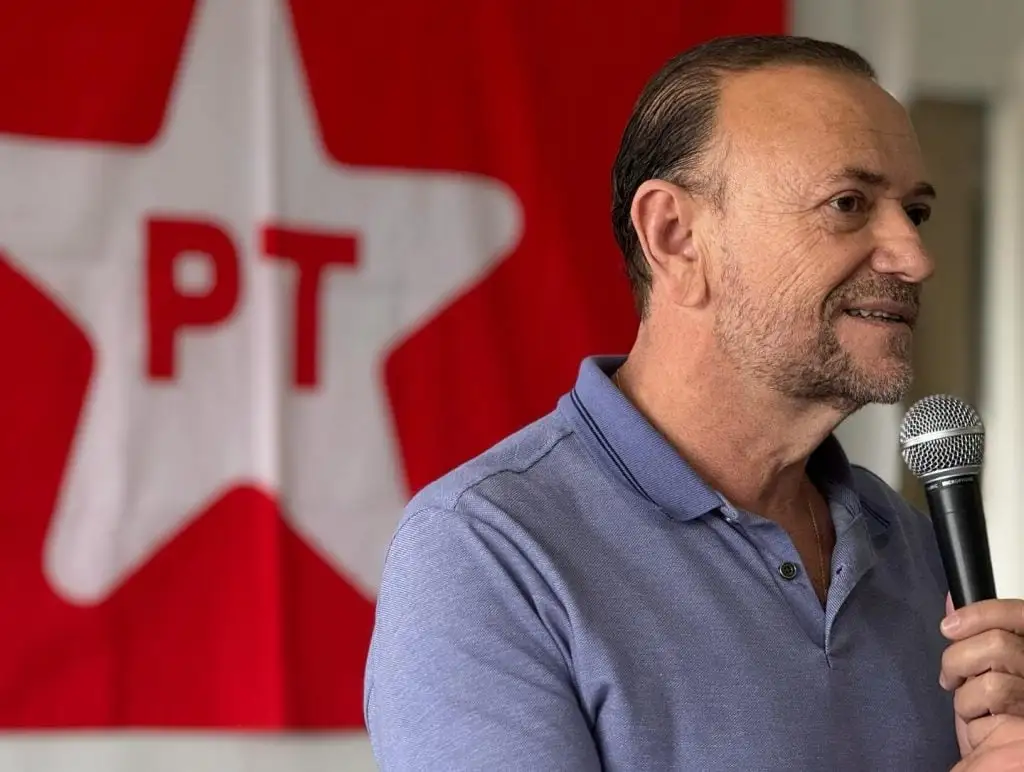
He is known for his practical style and ability to unite different groups. Silva has said his top goal is to help Lula win another term in 2026.
PT’s Leadership Battle Highlights Fund Control
The party’s leadership contest also reflected intense competition for control over campaign funds, which reached R$766 million last year, up from R$295.2 million in 2020.
Despite accusations from rivals, PT is not moving toward communism. The party under Edinho Silva remains center-left, focusing on social programs but also on political stability.
Silva’s leadership is expected to keep PT’s policies moderate and business-friendly, avoiding sudden changes that could unsettle investors or markets.
For international observers and business leaders, this leadership shift signals that Brazil’s largest left-wing party will likely continue to seek broad coalitions and avoid radical policy swings.
The party’s ability to stay united and work with other political groups will shape Brazil’s direction as it heads toward the next presidential election.
More: Brazil news in English, every day from The Rio Times.
This article was produced by The Rio Times’ automated newsroom system. How we use AI · Report an error · Editorial responsibility: Matthias Camenzind, Editor-in-Chief