Brazil’s Record Farm Exports In 2025 Redraw The Global Food Map
Key Points
- Exports reached $169.2 billion, up 3.0%, equal to 48.5% of Brazil’s total exports.
- The record was volume-led: shipments rose 3.6% while average prices fell 0.6%.
- China dominated demand, but Brazil expanded beef market access and pushed niche crops.
Brazil’s agribusiness exports set a new high in 2025, showing how farm output and private logistics can steady the economy even as tariff politics re-enter the conversation.
The Agriculture Ministry reported agribusiness exports of $169.2 billion in 2025, up from $164.3 billion in 2024. December alone brought $14.0 billion—record for the month—up 19.8% from December 2024.
The ministry tied the year’s performance to a record 2024/2025 grain harvest of 352.2 million tonnes, a 17% increase from the prior cycle.
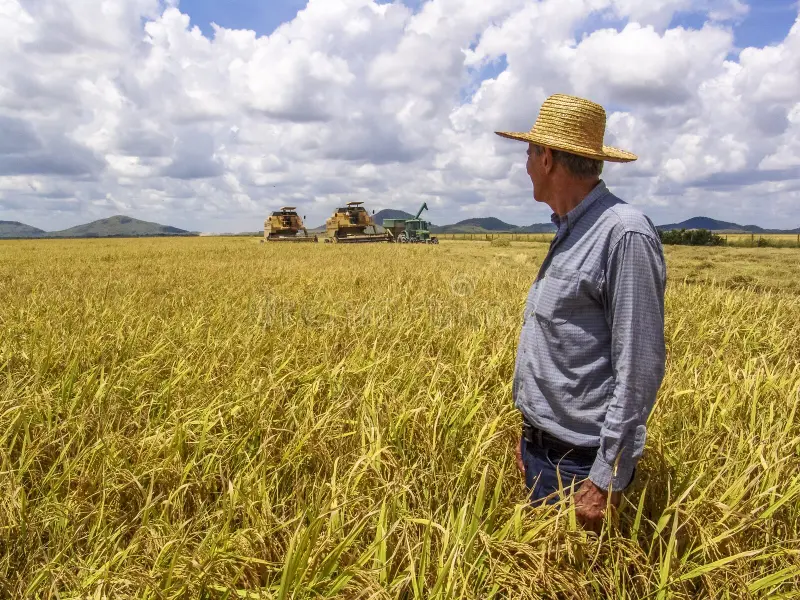
Soybeans stayed the cornerstone: soybean export revenues totaled $43.5 billion (+1.4%), while volumes hit a record 108.2 million tonnes (+9.5%).
In livestock, beef export revenues jumped to $17.9 billion (+39.9%) on a 20.4% rise in volume, and officials said 11 new markets opened for Brazilian beef in 2025.
Brazil coffee leads record agriexports
Coffee was the standout in value terms, rising 30.3% to $16.0 billion as international prices reached historic highs. The ministry also flagged a wave of smaller products hitting records, widening Brazil’s export footprint.
It highlighted sesame exports to China worth $195.1 million after China opened the market in late 2024; beef offal at $605 million (267,000 tonnes); corn DDG exports reaching 825,000 tonnes, with Turkey’s purchases rising to $62.7 million from $35.6 million; and beans at $443 million (533,000 tonnes).
Record figures were also cited for pepper, peanuts, peanut oil, melons and cashew nuts. On destinations, China led with $55.3 billion—32.7% of agribusiness exports—up 11% from 2024.
The European Union followed at $25.2 billion (+8.6%), while U.S. purchases fell 5.6% to $11.4 billion amid a tougher tariff backdrop. The record figures were amplified by official channels and agribusiness accounts online.
For international readers, this is supply-chain leverage: Brazil can shift global availability and prices for staples, while supporting the trade balance (Brazil reported a $68.3 billion surplus in 2025).
The message is practical, not ideological—watch two risks: tariff escalation and tighter Chinese safeguards around beef imports heading into 2026.
Related coverage: Brazil’s Morning Call | Why Brazil’s 2026 Election Matters Globally: Trust, Tech, An This is part of The Rio Times’ daily coverage of Brazil affairs and Latin American financial news.
This article was drafted with automated assistance and reviewed before publication. How we use AI · Report an error · Editorial responsibility: Matthias Camenzind, Editor-in-Chief
Read More from The Rio Times