Brazil’s IRB Ends U.S. Fraud Case Born From a Fake Buffett Endorsement
BRAZIL · BUSINESS
Key Facts
—Case closed. Brazilian reinsurer IRB said on June 1 it has completed all obligations under its agreement with the US Justice Department.
—The origin. The case stems from false information, spread in early 2020, that Warren Buffett’s Berkshire Hathaway had bought a major stake in the company.
—The fallout. When Berkshire denied any stake, IRB’s shares crashed about 30%, causing tens of millions in shareholder losses.
—The 2023 deal. IRB signed a non-prosecution agreement, paying $5m in victim compensation, with no fine assessed because of an inability to pay.
—What it did. Over the deal’s term, IRB ran a program to strengthen internal controls, governance and compliance, with periodic reporting.
One of the most notorious scandals in recent Brazilian market history is formally over: IRB has closed out its US settlement, six years after a fake Warren Buffett endorsement sent its shares into freefall.
A chapter closed with the US Justice Department
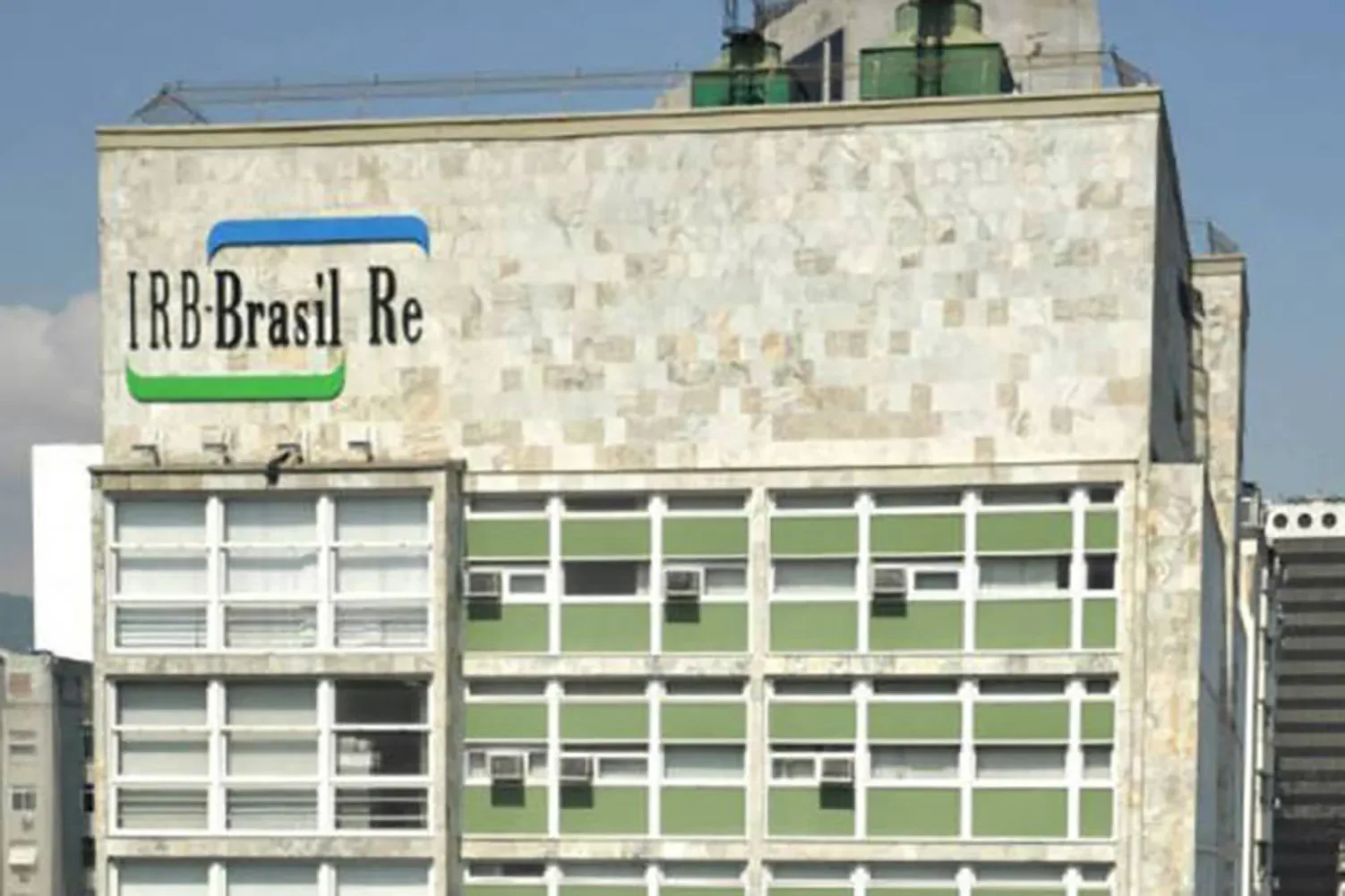
The reinsurer IRB (traded as IRBR3) announced on June 1 that it has completed the obligations it assumed before the United States Department of Justice, formally closing a case tied to false information about its shareholder base spread in US territory between February and March 2020. The company said that over the life of the agreement it fully met its commitments, including running a program to enhance internal controls, governance and compliance, and carrying out the periodic monitoring and reporting the deal required.
The “Buffett case” that crashed the stock
The episode that triggered it all was one of the most talked-about in recent Brazilian market history. In early 2020, word spread — including in investor communications and to the press — that Berkshire Hathaway, the investment company of billionaire Warren Buffett, had taken a relevant stake in IRB. The claim sent the shares sharply higher. Then, on the night of March 3, 2020, Berkshire issued a statement saying it was not, never had been, and had no intention of becoming an IRB shareholder. The next day the stock collapsed by roughly 30%, inflicting tens of millions in losses on shareholders. A subsequent independent investigation identified those responsible for the false information, and the company’s then-chief financial officer and other executives left amid the fallout.
The terms of the settlement
In April 2023, the US Justice Department’s fraud section announced a corporate resolution: a non-prosecution agreement under which IRB, through its former chief financial officer, was found to have run a scheme to mislead investors. The company admitted that the conduct described constituted securities fraud. The agreement carried a $5m victim-compensation payment; no fine was imposed, with the department noting an inability to pay an amount that would otherwise have reached $45m. The deal also required enhanced compliance and self-reporting, monitored for a period of up to three years — the obligations IRB has now completed.
Why it matters now
Closing the case removes a long-running legal overhang for a company that has spent years rebuilding. Brazil’s largest reinsurer, founded in 1939, has posted a run of profitable months and tightened its underwriting after the 2020 crisis nearly destroyed investor confidence. The formal end of the US matter is more symbolic than financial — the compensation was paid in 2023 — but it lets management close a reputational chapter and point to a completed compliance overhaul as evidence of the governance turnaround it has been promising the market.
Frequently Asked Questions
What did IRB announce?
That it has completed all obligations under its 2023 non-prosecution agreement with the US Justice Department, closing the case.
What was the “Buffett case”?
A 2020 scheme spreading false claims that Berkshire Hathaway had invested in IRB; when Berkshire denied it, the shares fell about 30%.
What did the settlement cost?
A $5m victim-compensation payment in 2023; no fine was assessed, citing an inability to pay, plus a compliance overhaul.
Does this affect IRB financially now?
Little directly — the payment was made in 2023. The significance is reputational, closing a long-running legal and governance overhang.
Connected Coverage
For more on Brazilian markets and companies, see our coverage of analysts’ top stock pick for June and the Ibovespa’s recent slide.
This article was produced by The Rio Times’ automated newsroom system. How we use AI · Report an error · Editorial responsibility: Matthias Camenzind, Editor-in-Chief
LatAm Markets: Live Signals → — real-time movers, turnover leaders and FX across Latin America.
Read More from The Rio Times