Brazil’s Industrial Revenue Slides in August as High Rates and Imports Weigh
Brazil’s manufacturing sector suffered its fourth decline in six months in August, with factory revenue down 5.3% from July on a seasonally adjusted basis and 7.6% from a year earlier, according to the National Confederation of Industry.
Employment was flat for the fourth straight month, underscoring a labor market that has paused rather than reversed. Even so, revenue from January to August remained 2.9% higher than in the same period of 2024.
Operational metrics pointed to softer activity and thinner pay packets. Hours worked slipped 0.3% from July and 1.2% year over year.
Installed capacity utilization edged up to 78.7% in August but was below the 79.0% level recorded a year earlier. Real wage mass fell 0.5% in the month and 2.0% in 2025 to date, while average real earnings declined 0.6% on the month and 4.1% year to date.
Industry leaders cite three pressures: elevated borrowing costs that damp credit and demand; greater penetration of imported consumer goods in the domestic market; and a firmer real that erodes the price competitiveness of Brazilian exports.
The combination leaves many factories producing more for less—a squeeze evident in wider data. Brazil’s official industrial production index showed a modest month-on-month rise in August even as deflated revenue fell, a divergence consistent with discounting and margin compression.
Business surveys also signaled contraction in August, and trade figures for the year so far show imports growing faster than exports, intensifying competition at home despite Brazil’s still-positive monthly trade surplus.
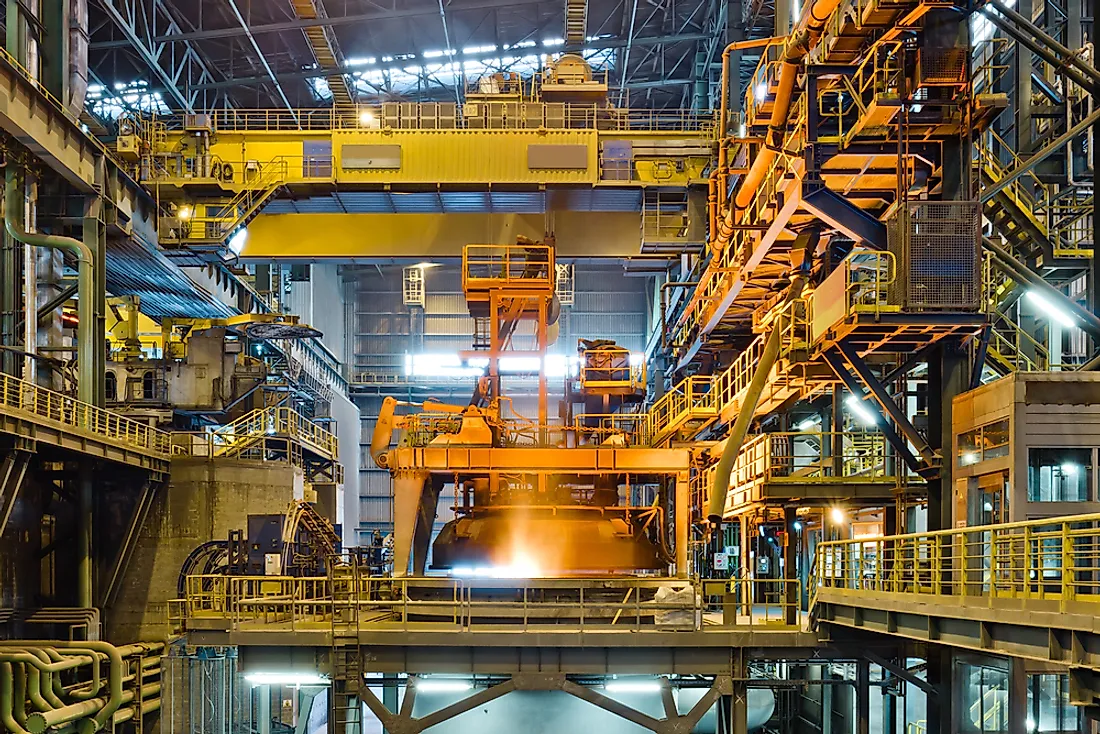
The picture is not uniformly bleak. Employment has held steady rather than fallen, capacity use remains high-70s rather than recessionary, and some subsectors—such as autos—continued producing at significant scale in August.
But the balance of risks tilts toward caution: without relief on financing conditions, a shift in the exchange rate, or policy measures that improve competitiveness, manufacturers face a tough finish to the year.
For households and investors alike, the implications are straightforward: slower factories mean weaker wage growth and restrained investment, which in turn can weigh on broader economic momentum heading into the final quarter.
This article was drafted with automated assistance and reviewed before publication. How we use AI · Report an error · Editorial responsibility: Matthias Camenzind, Editor-in-Chief
LatAm Markets: Live Signals → — real-time movers, turnover leaders and FX across Latin America.