Brazil’s Consumers Fear the Future as Confidence Weakens in August
Brazilian households feel slightly better about today but remain worried about tomorrow. Data from Fundação Getulio Vargas (FGV) show the Consumer Confidence Index (ICC) fell 0.5 point in August to 86.2, far below the neutral level of 100.
The survey, conducted between August 1 and 21, captures cautious attitudes shaped by high debt, inflation, and expensive credit. The Expectations Index, which measures views on the months ahead, dropped 1.3 points to 88.1.
The outlook for Brazil’s economy slipped 2.8 points to 97.7, marking three months of decline. Families’ expectations for their own finances fell 2.6 points to 79.8, the lowest level since September 2021.
The Current Situation Index improved modestly, rising 1.1 points to 84.5. Families rated their finances slightly better, up 2.6 points to 75.4.
Plans for durable goods purchases also rose, with that measure reaching 88.2, its highest since December 2024. Confidence strengthened in middle-income households but fell in the lowest and highest income groups.
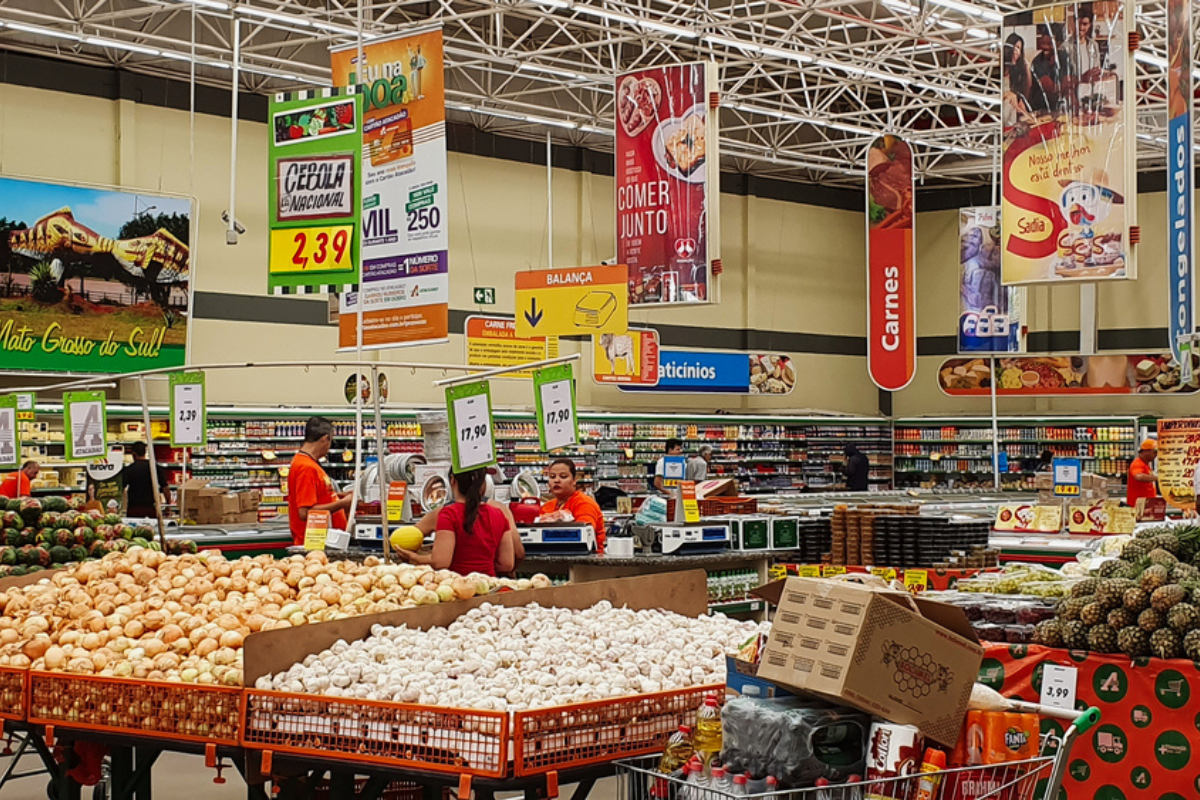
Debt remains the central drag. According to the National Confederation of Commerce (CNC), 78.4% of families reported debts in June, while delinquency hit 30% in July, the highest in nearly a year.
For many, monthly bills are rising faster than income, forcing choices between paying debts, maintaining consumption, or saving. Inflation compounds the strain.
The national consumer price index (IPCA) rose 0.26% in July, leaving annual inflation at 5.23%. The Central Bank has kept the benchmark Selic rate at 15.00%, the highest in years, which makes credit expensive and limits relief for indebted families.
The story behind the figures is straightforward: Brazilian consumers are more confident about surviving today but increasingly unsure about tomorrow. High debt and costly borrowing limit spending power, while inflation erodes purchasing strength.
As households cut back, retail and service sectors—pillars of domestic growth—face pressure. Businesses that depend on broad consumer demand must adapt to uneven and cautious spending.
This matters beyond Brazil. The country’s consumer market is the largest in Latin America, and shifts in its spending patterns ripple through regional suppliers, investors, and trade partners.
Persistent household strain signals that Brazil’s recovery will likely remain fragile until families see relief on debt, inflation, and credit costs.
More: Brazil news in English, every day from The Rio Times.
This article was drafted with automated assistance and reviewed before publication. How we use AI · Report an error · Editorial responsibility: Matthias Camenzind, Editor-in-Chief
LatAm Markets: Live Signals → — real-time movers, turnover leaders and FX across Latin America.