By Monique Lima
Brazilians invested 11.7% more in 2022 than the previous year, reported today (9) by the Anbima (Brazilian Association of Financial and Capital Market Entities).
The financial volume reached R$5 trillion (US$1 trillion), above the R$4.5 trillion recorded in 2021.
The amount considers the applications in retail, high-income retail, and private financial institutions.
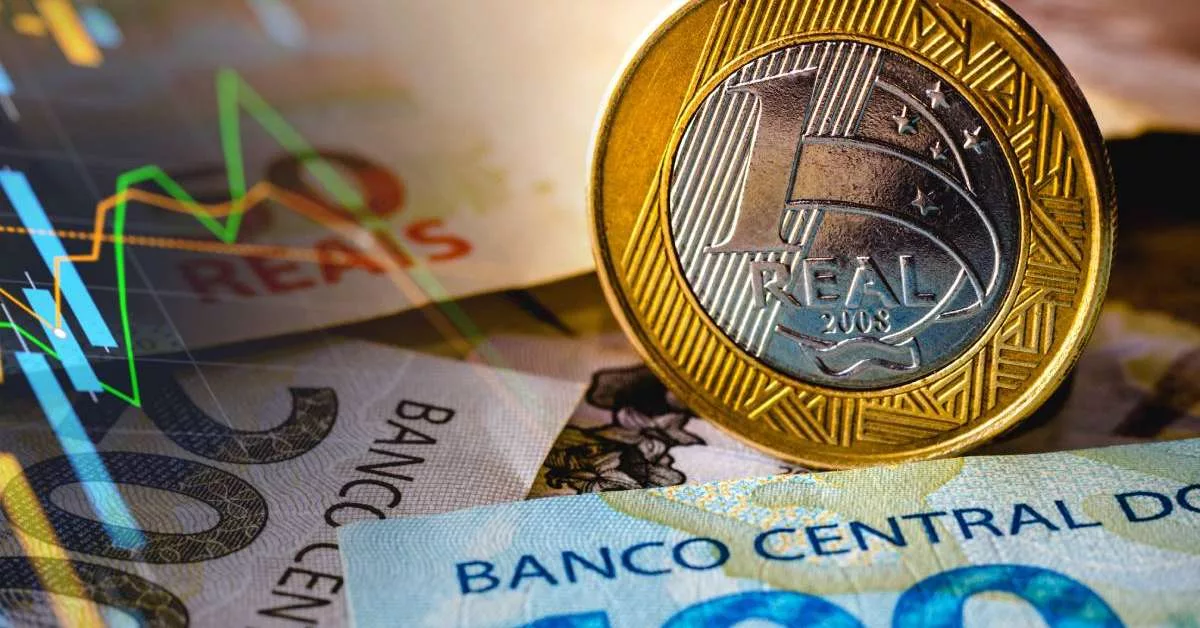
According to the association, the increase was driven mainly by applications in fixed-income products, such as CDBs (Bank Deposit Certificates), LCIs, and LCAs (Real Estate Credit Bills and Agribusiness Credit Bills, respectively).
“In a scenario of inflation and high-interest rates, it is natural that investors allocate their resources in more conservative products with income tax exemption, in search of the well-known tripod: profitability, liquidity, and security”, says Ademir Correa Junior, president of Anbima’s Distribution Forum.
Retail was responsible for R$3.1 trillion of the financial volume invested by Brazilians.
In all, 143.6 million accounts contributed (each person can have more than one account in more than one institution).
The participation of traditional retail rose 13.3% in 2022, in annual comparison, reaching R$1.7 trillion, while the volume invested in high income was R$1.4 trillion, a gain of 16.2% compared to 2021.
As for private, which covers clients with at least R$3 million in investments, it grew 7.3%, closing 2022 with R$1.9 trillion invested.
BONDS PULL THE INVESTMENTS
Securities and real estate stood out in 2022, reaching an amount of R$2.4 trillion, an increase of 25.8% compared to the close of 2021.
With this, the market share increased from 42% to 47%.
The CDBs led in terms of investment volume. They closed the year with R$715.9 billion invested, an increase of 25.5% in relation to 2021.
The LCAs gained 76%, reaching R$317.6 billion, while the LCIs rose 67.6%, totaling R$217.2 billion.
“With double-digit interest rates and the multiplication of platforms and digital banks, some products have become more attractive. This is the case of CDBs, the second most sought-after product after savings. The LCIs and LCAs also had a leap since the income tax exemption is also an attraction,” says Correa.
Investment funds accounted for R$1.5 billion (30%), an increase of 4.2% compared to 2021.
The investments in private pension funds reached R$187.3 billion, an increase of 11.5%.
On the other hand, savings, which accounts for 18% of the industry, lost 4% of its resources and closed the year with R$949.3 billion.
“The indebtedness of families, which hit a record high in 2022, made many investors withdraw money from savings to pay debts.
Another factor contributing to the result was the end of the emergency aid payments,” says Correa.
The financial volume invested in shares, in turn, fell 4.2% in the year, to R$619 billion, impacting the participation of these assets in the industry: from 34.2% in December 2021 to 26% at the end of last year.
The fall was influenced by private, with clients with larger amounts allocated withdrawing their positions: retraction of R$23.9 billion, or 5.3%, while retail had a reduction of R$3.4 billion or 1.7%.
With information from Forbes
More: Brazil news in English, every day from The Rio Times.
Editorial responsibility: Matthias Camenzind, Editor-in-Chief · Editorial standards · Report an error