Brazilians Are Moving to Paraguay for Work, Fueling a Luxury Property Boom
Expats & Investment · Paraguay
Key Facts
—The influx. Brazilians filed 9,125 residency requests in Paraguay in the first quarter of 2026, about 64% of all foreign applications.
—The draw. Paraguay offers some of the lowest taxes on the continent, an affordable cost of living and a fast-growing market.
—The property boom. High-end developer Raíces Real Estate sold half of its US$26 million in 2026 sales, or US$13 million, to Brazilian buyers.
—The prices. Prime Asunción runs about US$1,500 to US$2,500 per square meter, with Ciudad del Este at US$900 to US$1,400 and Encarnación around US$800.
—The jobs. The construction surge is pulling in Brazilian civil engineers, architects and building technicians.
A growing wave of Brazilians is moving to Paraguay to work and start businesses, drawn by low taxes and cheap living, and their arrival is powering a luxury real-estate boom in Asunción.
Paraguay Becomes the Favorite Plan B
For a growing number of Brazilians, Paraguay has become the destination of choice for a professional reset. In the first quarter of 2026 alone, 9,125 filed for residency, making up nearly two-thirds of all foreign applications.
The appeal is straightforward: low taxes, a modest cost of living and a market expanding fast enough to reward newcomers. For entrepreneurs and remote earners, the math is compelling.
This movement is not happening in a vacuum. For years, Paraguay has quietly built a reputation as one of South America’s most stable and welcoming jurisdictions for foreign residents.
Its territorial tax system means that, in many cases, income earned outside the country is not taxed locally, a structure that resonates loudly with Brazilian business owners and digital professionals looking to keep more of what they earn.
The residency process itself is also a factor. Compared with many neighboring countries, Paraguay’s requirements for obtaining permanent residency have historically been relatively straightforward, often requiring a clean criminal record, a birth certificate and proof of a local address or bank deposit.
That administrative simplicity lowers the barrier for families and solo professionals alike.
A Luxury Property Surge in Asunción
That migration is landing hardest in high-end real estate. Developer Raíces Real Estate reported that half of its US$26 million in 2026 sales, some US$13 million, went to Brazilian buyers.
Prices reflect the heat without yet matching big Brazilian cities. Prime Asunción trades at roughly US$1,500 to US$2,500 per square meter, still a discount to São Paulo or Rio.
What makes this wave different from a typical foreign-investment story is that many of these buyers are not speculators flipping properties from afar. They are people who intend to live in the homes they purchase, often moving their families and registering their businesses locally.
That owner-occupier profile tends to anchor demand more durably than pure investment capital, which can exit quickly if conditions shift.
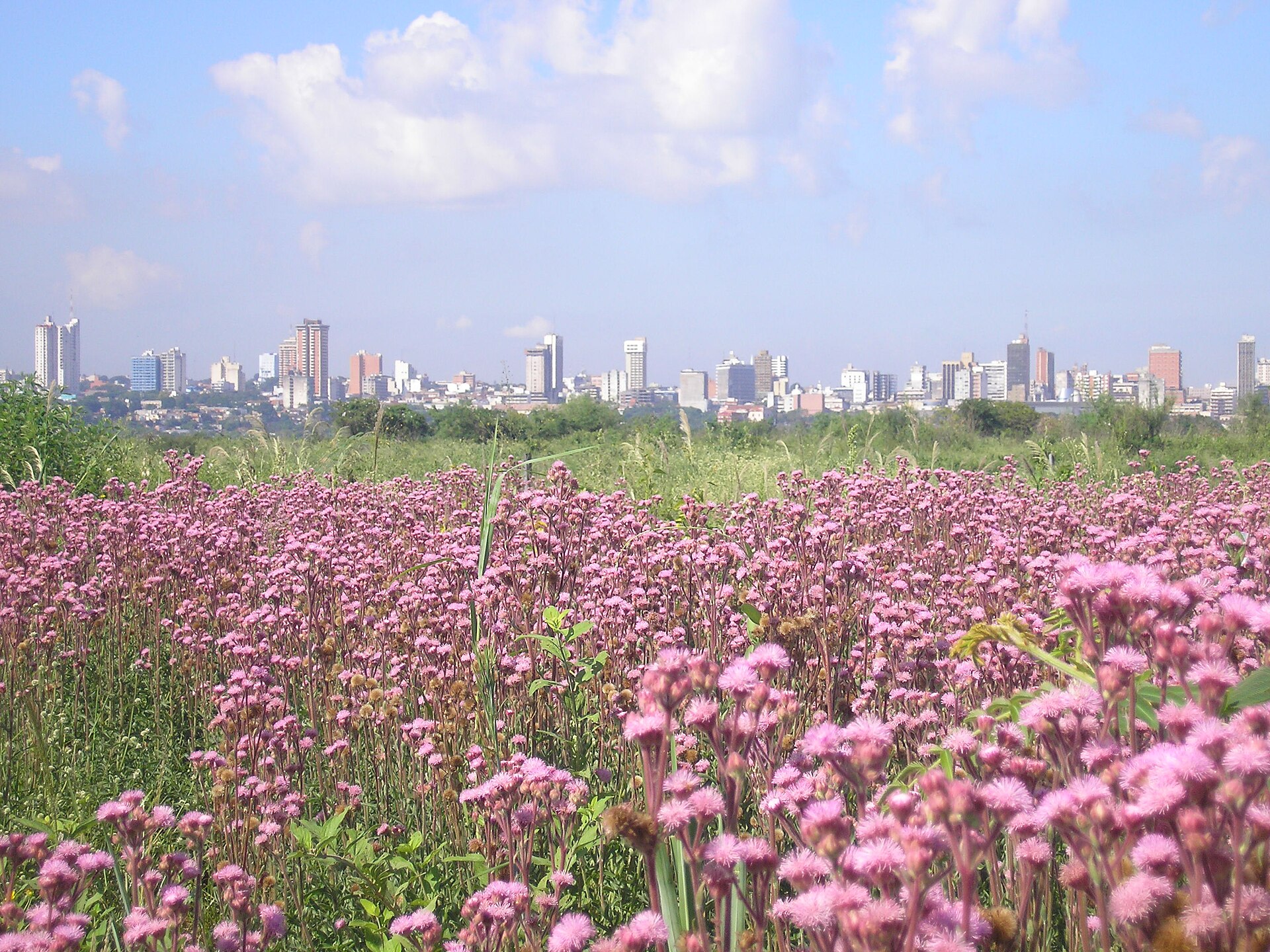
The neighborhoods drawing the most attention are those close to international schools, private hospitals and the riverfront, where new towers are reshaping a skyline that, until recently, was defined by low-rise buildings. The change is visible enough that longtime residents speak of a transformation in the city’s rhythm and its commercial landscape.
Where the Value Still Sits
Beyond the capital, the numbers fall further. Ciudad del Este runs about US$900 to US$1,400 per square meter, while Encarnación sits near US$800.
For Brazilian investors, that spread is the opportunity. It allows a move that combines lifestyle, lower taxes and property upside in a single decision.
Ciudad del Este, long known as a busy commercial hub on the border with Brazil, is now attracting a different kind of interest. Where it once drew day-trippers and wholesale traders, it is increasingly on the radar of professionals who want to be close to Brazil while still enjoying Paraguay’s cost advantages. Encarnación, further south along the Paraná River, offers a slower pace and a riverside lifestyle that appeals to retirees and young families priced out of larger cities.
A Construction Boom That Needs Talent
The building surge in Asunción has heated up the construction sector, and Paraguayan firms are hiring across the border. Brazilian civil engineers, architects and technicians are finding roles at mid-sized and large companies.
For expats weighing the region, Paraguay now offers both a place to live cheaply and a place to work. Whether the boom cools or compounds will depend on how long the tax and cost advantages hold.
This labor flow is significant because it turns a real-estate trend into a broader economic story. When skilled professionals relocate, they bring not just their salaries but also their networks, their consumption patterns and often their families, deepening the integration between the two economies.
The question now is whether Paraguay’s infrastructure, from roads to schools to healthcare, can expand at the same pace as the demand that new residents create.
Another open question is how the Brazilian tax authority and regulatory bodies will respond to a sustained outflow of taxpayers and talent. Cross-border movement of this scale rarely goes unnoticed by policymakers, and any change in the legal framework on either side of the frontier could reshape the incentives that are driving the current wave.
Frequently Asked Questions
How many Brazilians are moving to Paraguay?
Brazilians filed 9,125 residency requests in Paraguay in the first quarter of 2026, about 64% of all foreign applications, drawn by low taxes and cheap living.
Why is Paraguay attractive to Brazilians?
Paraguay offers some of the lowest taxes on the continent, an affordable cost of living and a fast-growing economy, plus jobs in a booming construction sector.
What is happening to property prices in Asunción?
Demand from Brazilian buyers is driving a luxury boom; prime Asunción runs about US$1,500 to US$2,500 per square meter, still below major Brazilian cities.
Sources
Connected Coverage
Sources: Raíces Real Estate.
This article was produced by The Rio Times’ automated newsroom system. How we use AI · Report an error · Editorial responsibility: Matthias Camenzind, Editor-in-Chief