Peru’s New Cabinet: Why Foreign Investors Should Care
Peru · Immigration
Key Facts
- The date. Peru’s president-elect swears in her cabinet on Tuesday, July 28, with the first Council of Ministers on July 29.
- Names still secret. As of the weekend, the line-up is held in confidence; press names are unconfirmed.
- The pick that matters. For foreigners, it is Interior, the ministry that oversees the migration authority.
- The stuck permit. Peru’s digital-nomad visa exists on paper but still lacks the rule that would let anyone apply.
- At the border. Nothing changes on inauguration day; entry rules stay as they are.
Peru swears in a new government on Tuesday, and for foreign residents and would-be nomads the single appointment worth watching is not the premier or the finance minister — it is whoever takes Interior, the ministry that controls the migration authority and, with it, the stalled digital-nomad visa.
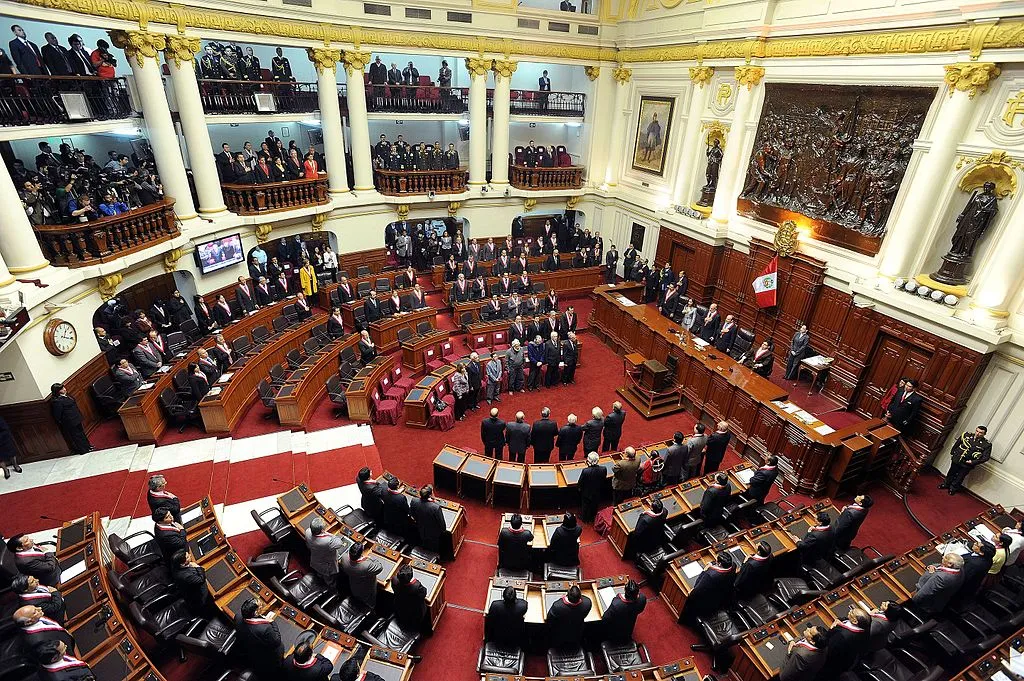
What happens Tuesday
After being sworn in at Congress on July 28, the president-elect will swear in her first cabinet the same day, then hold her first Council of Ministers on July 29. Early business is expected to centre on security decrees against crime.
As of the weekend the ministerial names remained under strict confidentiality. Press speculation has floated candidates for the premiership and other posts, but none has been confirmed by the incoming government.
For a foreign reader unfamiliar with Peru’s system, a cabinet swearing-in is more than ceremony. It is the moment when each minister formally assumes legal authority over their portfolio, including the power to issue ministerial resolutions and set administrative priorities. That is why the identity of the person tapped for Interior carries real weight: from day one, they can direct Migraciones to begin or delay regulatory work.
Why Interior is the pick to watch
Peru’s migration authority, Migraciones, sits under the interior ministry. Whoever runs Interior, and the superintendent they appoint to lead Migraciones, will set the tone for how the country handles foreign residents and applicants.
That makes Interior the appointment foreigners should track more closely than the higher-profile economic posts. It is the office where any change to visa or residency practice would originate.
In plain terms, the interior ministry in Peru functions much like a combined home office and public-safety department. It oversees the national police, internal security, and the issuance of identity documents. Migraciones, as one of its dependent agencies, processes everything from tourist-entry stamps at Lima’s Jorge Chávez airport to long-term residency applications. A new minister can signal continuity or a shift simply by whom they choose to run that agency and how quickly they ask for a review of pending regulations.
The nomad permit that still cannot be filed
Peru created a digital-nomad migration status in late 2023, aimed at remote workers earning from companies based abroad. But to be usable in practice it must appear in Migraciones’ administrative procedures, known as the TUPA.
Updated TUPA texts published in 2024 and again in 2025 both omitted it, so the nomad visa remains unavailable to this day. Whether the incoming Interior team finally issues the enabling rule is the concrete thing to watch after Tuesday.
The TUPA — short for Texto Único de Procedimientos Administrativos — is essentially the official catalogue of every service a government agency offers, along with the steps, fees, and forms required. If a permit is not listed in the TUPA, front-desk staff have no legal basis to accept an application, no matter what a broader law says. That is the bureaucratic bottleneck that has kept Peru’s digital-nomad status theoretical for years. The fix is technically simple: a ministerial resolution adding the procedure to the TUPA. But it requires political will from the interior minister and the Migraciones superintendent, which is why their identities matter so much right now.
What does not change
Inauguration day changes nothing at the border: tourist entry and existing residency rules continue as before. Naturalisation continues to require five years of residence under the current law.
In short, no foreigner needs to do anything because of the handover. The value is in watching who gets Interior, not in reacting to the ceremony itself.
This stability is worth underlining because political transitions in Latin America can sometimes spark anxiety among expats and long-stay visitors. Peru’s immigration framework is set by laws and decrees that do not expire when a government changes. Tourist permits, the most common entry route, are granted at the discretion of border officers under standing rules. Residency categories — work, family, pensioner, and others — remain governed by existing legislation unless a new administration actively proposes reforms and shepherds them through Congress, a process that takes months at minimum.
What it means for foreigners
For now, plan on the status quo: the nomad visa still cannot be filed, and normal tourist and residency routes are unchanged. Nothing about Tuesday requires action.
The signal to follow is the Interior appointment and the Migraciones superintendent, because that is who could finally switch the digital-nomad permit on. This is general information, not immigration advice.
Beyond the nomad question, the broader significance lies in what the new interior minister’s early moves reveal about the administration’s posture toward foreign nationals. Will Migraciones continue the recent trend of digitising applications, or will in-person paperwork requirements return? Will the agency maintain the current practice on tourist-stay extensions, or signal a stricter interpretation? None of these questions will be answered on inauguration day itself, but the appointment is the first clue. Observers will also be watching whether the new superintendent comes from a career civil-service background or a political circle, as that often indicates whether the agency will prioritise technical continuity or a change in direction.
Frequently Asked Questions
When does Peru’s new cabinet take office?
The cabinet is sworn in on Tuesday, July 28, with the first Council of Ministers held on July 29.
Which minister matters most for foreigners?
The interior minister, because the ministry oversees Migraciones, the authority that handles visas and residency.
Can I apply for Peru’s digital-nomad visa yet?
No. The status exists in law but was left out of Migraciones’ procedures again, so it still cannot be filed.
Does anything change at the border on inauguration day?
No. Tourist entry and residency rules continue unchanged; the handover has no immediate effect on foreigners.
What should I watch after Tuesday?
Who takes Interior and who is named to lead Migraciones, and whether they issue the rule enabling the nomad visa.
Read More from The Rio Times