Brazil: white chocolate made in Pará is awarded in London – ‘It was a surprise’
The combination of the striking flavor of cupuaçu, a typical fruit from Pará, with white chocolate produced almost entirely by hand, conquered the tastes of international specialists and earned the Pará chocolatier Gaudens the bronze seal of the Academy of Chocolate in London.
The award is one of the most important in the field of fine chocolates. In addition to it, the version with bacuri received a recommendation from the organization.
The contest was held at the end of last year and the result was announced this month.

The organization, created in 2005, is made up of five of the main chocolate professionals in Great Britain and has the objective of valuing the consumption of the delicacy as one of the great pleasures of life.
It encourages consumers to identify what they call “real” chocolate, as well as improving the standard, knowledge and sustainable production of the raw material, cocoa.
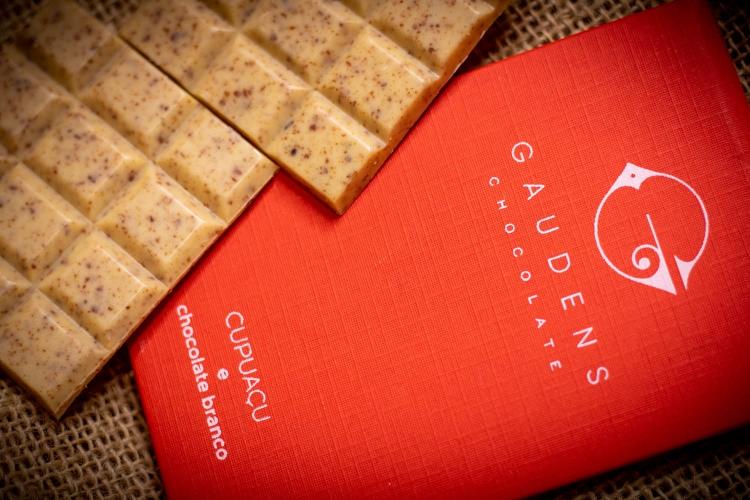
To this end, the Academy of Chocolate in London grants a seal to products identified by specialists as Premium chocolates. The certification is in the international market.
As a result, from now on, all packaging of the chocolate bar with cupuaçu by Gaudens will be identified with the bronze seal of the international academy.
Bacuri’s, on the other hand, did not receive a seal, but has a special indication from critics.
The award-winning recipes are by chef de cuisine and chocolatier Fabio Sicilia, inspired by desserts that are part of the affective memory of the region, cupuaçu cream and bacuri cream.
The adaptations required some tests to reach the alchemy that enchanted some of the most refined palates in the world.
It was a way of updating our cuisine, inspired not only by the creams that are part of our history, but also by the bonbons made with these fruits, which have unique flavors” Fabio Sicilia
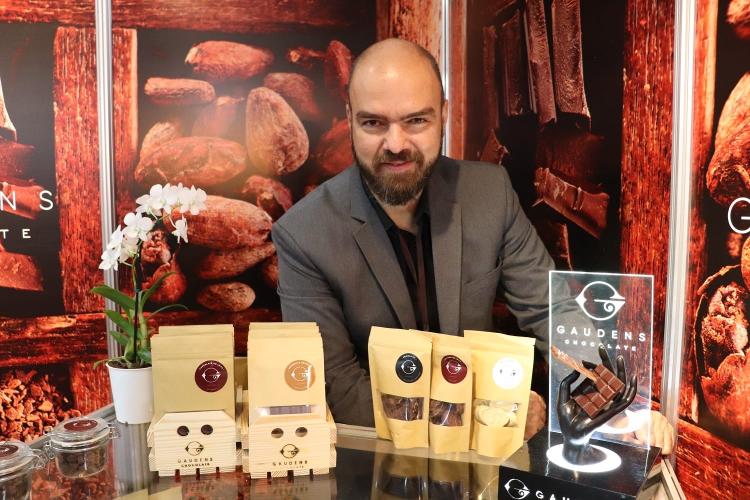
All the raw material comes from producers in the Transamazônica region and from municipalities around the capital.
They supply the cocoa and regional fruits used in the composition of the flavors, such as cupuaçu and bacuri.
The line also has others such as açaí and a crispy version made with tapioca flour in place of rice flakes.
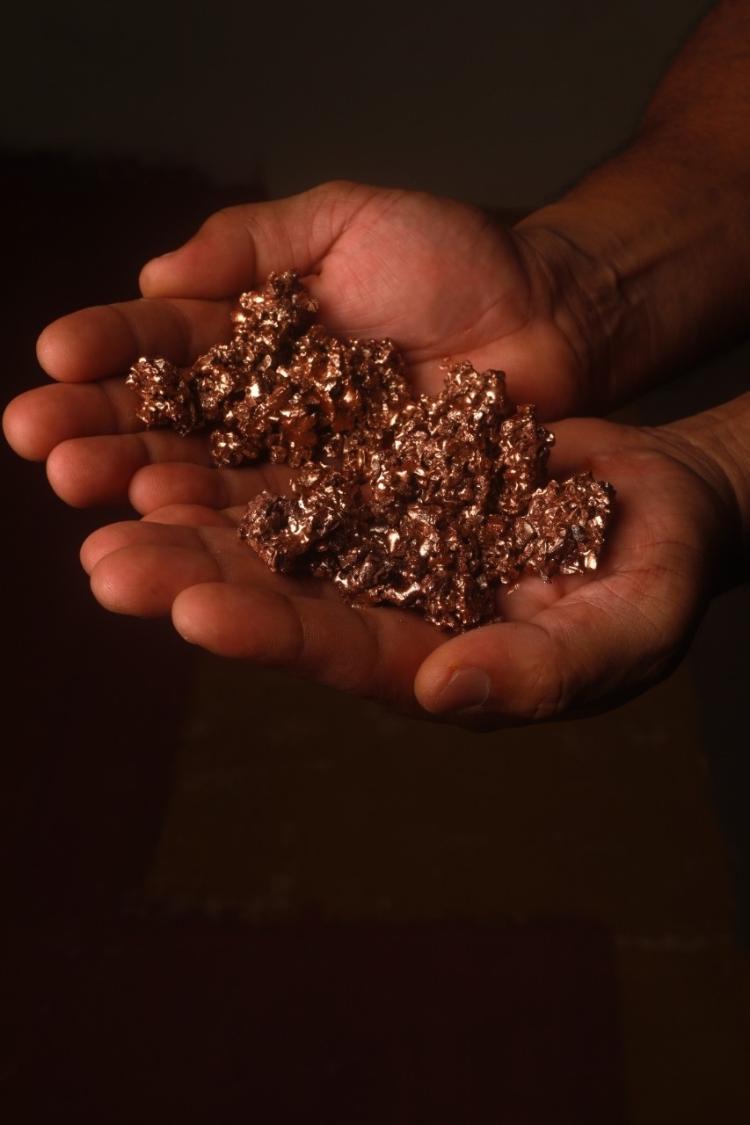
Most of the cocoa comes from the Medicilândia region, which is one of the largest producers in the state and in the country; and Barcarena, in the metropolitan region.
In addition to abundance, the choice made by the local producer also prioritizes the quality of the almonds, explains the chocolatier.
“Today we have a supplier from Medicilândia, Ivan, whose almonds always win first place in competitions in Paris, for example. From Barcarena, we receive a type of cocoa, which is native, with a specific fermentation that we use in some recipes”, explains.
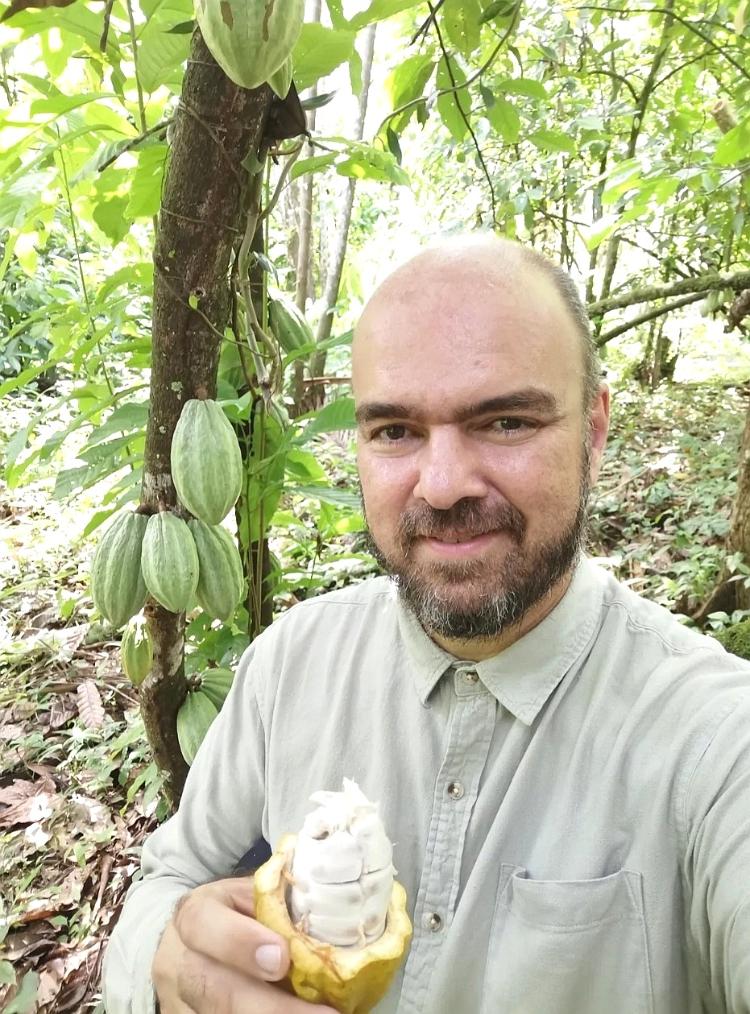
The choice of producers, as explained by Fabio Sicilia, is one of the differentials for the quality of the final product.
“The producer is important because he is the one who nourishes this plant, cultivates it, waits for the best moment for harvesting, opening and fermentation. Our differential is to choose the producers through a quality control that aims at excellence”.
PRODUCTION IS ALMOST ENTIRELY HANDMADE
Despite having some modern machinery, chocolatier Fabio Sicilia maintains most of the artisanal manufacturing process to ensure that there is no loss of quality.
“We receive the raw material from the producers, we evaluate the quality, the excellence, we move on to roasting, peeling, refining, formulating and crystallizing the chocolate in the molds, packaging and then we move on to distribution”, he lists.
Production is not carried out on a large scale, serving only the physical store and e-commerce orders.
FROM MAIN COURSE TO DESSERT
Fabio Rezende Sicilia is known for his work as a professional chef and sommelier, by ICIF (Italian Culinary Institute for Foreigners) and AIS (Italian Association of Sommelier), respectively, which earned him national and international awards.
Aged 52, he took his first steps in the kitchen at 15, following his parents’ legacy at the Italian house Famiglia Sicilia, which he runs to this day.
An avowed chocoholic, he turned this passion into a business, specializing as a chocolatier at the Lenôtre de Paris.
The Gaudens brand was born in 2012, but the project began to be designed much earlier, in 2004, when he went on an expedition in the Transamazon region to learn about cocoa production in the municipality of Medicilândia, considered the largest cocoa producer in Brazil, but which did not produce chocolate.
“I had just arrived from a course in Europe and realized that all the noblest ingredients I studied there were here and I couldn’t understand how we didn’t have chocolate production”, he recalls.
That year, the first factory appeared, the embryo of Gaudens, in Ananindeua, in the metropolitan region of Belém, but still in a timid way and only to meet the demand of the chef’s restaurant in Belém.
In these eight years, Sicily says that the producers themselves began to invest in improving the quality of production and he followed everything closely, until he created the Gaudens brand and opened a new factory in Belém, where he started producing the bars.
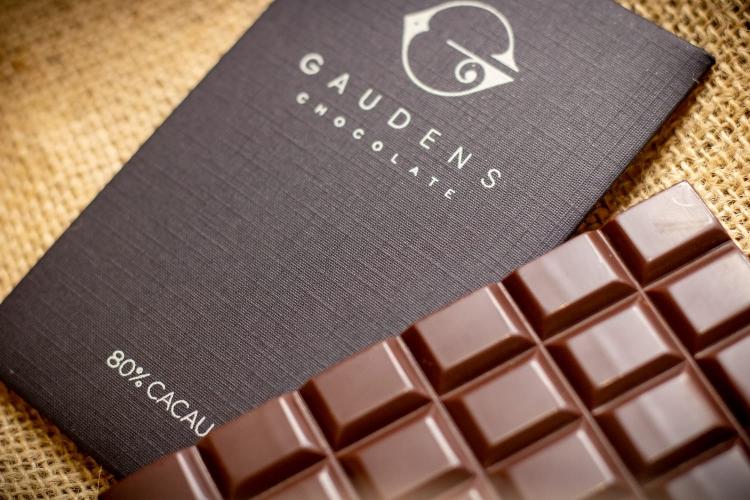
The first creation was cupuaçu with chocolate, in 2018. The bacuri one came only last year.
The success of the latter at a local fair made the chef decide to enter them in the international competition.
“I was very surprised that they chose the cupuaçu bar. But it made perfect sense due to the acidity of the fruit, which was more suited to the palate of Europeans, who are used to citrus fruits.”
The chocolatier evaluates the result as an important milestone for the production of local chocolate and that places the largest cocoa producing state in the country, not only on the route of chocolate production, but also with incentive to other regional productions.
“It’s a historic milestone, a new moment in Pará’s gastronomy. With this step we call attention to what is produced here, because we are not only a wonderful cocoa, but cupuaçu, bacuri, muruci, taperebá, tapioca flour, and this brings everything we have to add, creativity never ends”, he evaluates.
With information from UOL
This article was produced by The Rio Times’ automated newsroom system. How we use AI · Report an error · Editorial responsibility: Matthias Camenzind, Editor-in-Chief
Read More from The Rio Times