Brazil Wants to Put Ozempic-Style Drugs in Its Public Clinics
Health Policy · Brazil
Key Facts
—The plan. Brazil’s health ministry will run a pilot to test offering Ozempic-style drugs through its public health system.
—The trial. It covers two hundred and fifty patients with severe obesity and heart complications, run at a hospital in Porto Alegre.
—The blocker. A government advisory body rejected these drugs for public use in 2025, citing a cost above eight billion reais.
—The fix. A patent expired in March, and the government is pushing local production to drive prices down.
—The makers. Denmark’s Novo Nordisk and America’s Eli Lilly dominate the global market for these medicines.
—The read. If the pilot works, the public system could become one of the hemisphere’s largest buyers of this drug class.
Brazil is taking its first concrete step toward putting the world’s most talked-about Brazil weight-loss drugs into its free public health system, a move with real consequences for the global drugmakers that sell them.
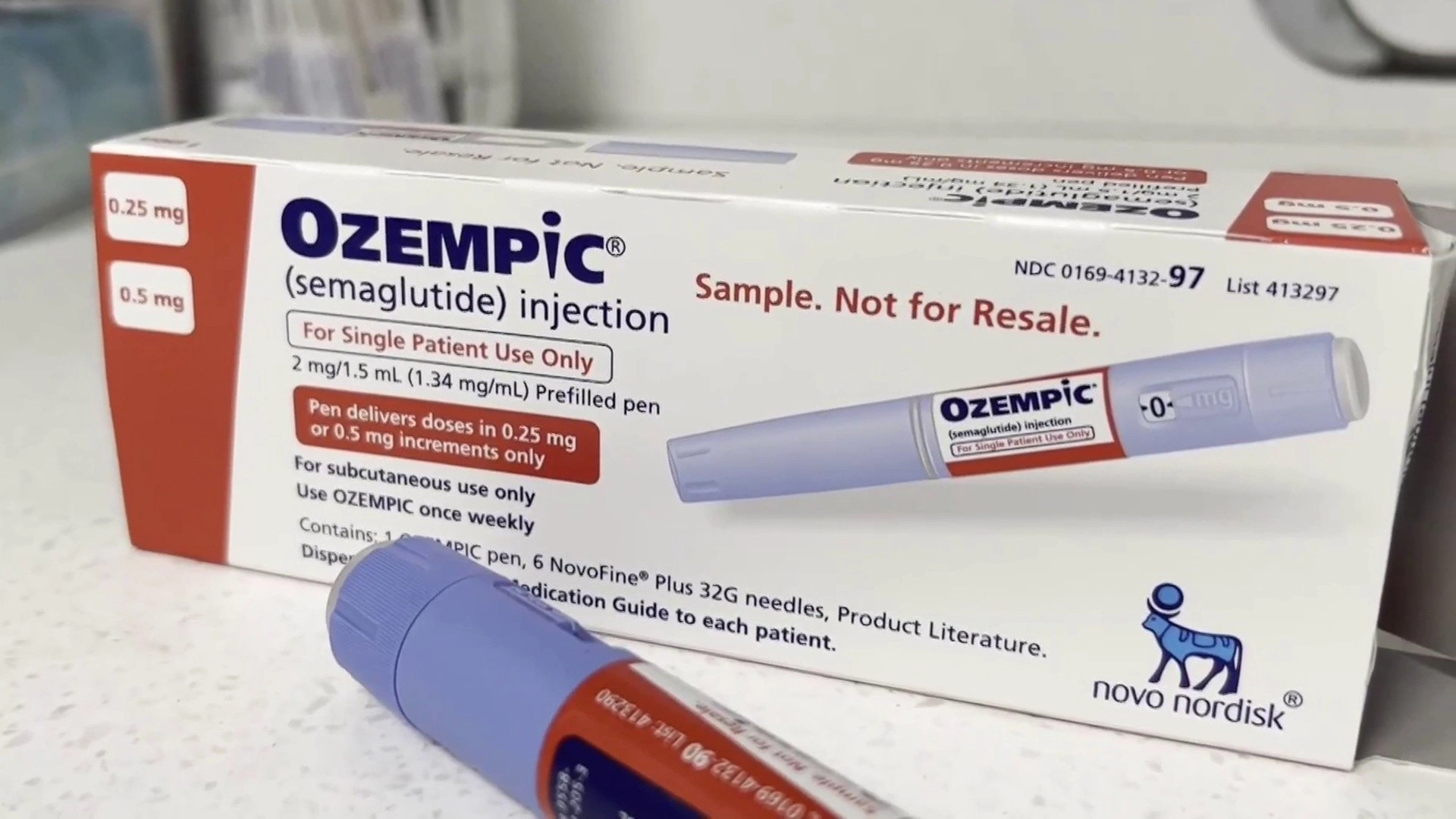
Brazil’s government wants to bring the injectable pens known abroad as Ozempic and Mounjaro into its free public health system. Health Minister Alexandre Padilha has announced a pilot study to test whether that is workable.
The system in question is the SUS, Brazil’s public health service, which offers free care to anyone in the country. Extending it to cover these expensive medicines would be a notable shift, and the trial is the first real move in that direction.
What the pilot actually is
For now this is a controlled study, not a nationwide rollout. The minister said it would involve two hundred and fifty patients with severe obesity and heart complications who are currently waiting for weight-loss surgery.
The study will run at a public hospital group in Porto Alegre, in the south of the country, once it clears an ethics review. It is expected to start this year and last anywhere from a few months to about a year.
The goal is to measure whether treating these patients with the drugs reduces complications and cuts the need for surgery. In other words, the government wants to know if the medicines save the health system money over time.
Why Brazil weight-loss drugs were kept out before
This is not the first time the question has come up, and the earlier answer was no. In 2025 the advisory body that decides what the public system pays for rejected these medicines for treating obesity.
The reason was cost. An official health-ministry note carried by the state news agency put the budget impact above eight billion reais, roughly double the annual budget of one of its main public-health programmes.
That is well over one and a half billion dollars at current rates. At today’s prices, treating a large share of Brazil’s obese population publicly would simply be unaffordable for the system.
The price strategy behind the move
So the government is attacking the price first. A key patent expired in Brazil in March, opening the door for local drugmakers to produce their own cheaper versions.
The minister said the regulator is now fast-tracking registration requests from seventeen companies that want to make the pens domestically. His logic is blunt: more producers means more competition, and more competition means lower prices.
It is a deliberate sequence. Bring the cost down through local supply, prove the savings through the pilot, and only then consider buying at the scale a public system would need.
Why investors should watch this
For global drugmakers, this is a demand signal worth tracking. The class is dominated by Denmark’s Novo Nordisk and America’s Eli Lilly, the makers of the original branded pens.
A public buyer the size of Brazil could become one of the largest single purchasers of these drugs in the hemisphere. The catch for the brand owners is that the government is engineering exactly the kind of cheap, locally made competition that would erode their premium.
The forward implication is a market reshaped by the state. Brazil is signalling huge future demand while doing everything it can to make sure it pays a fraction of today’s price for it.
More: Brazil news in English, every day from The Rio Times.
Is Brazil offering these drugs free to everyone now?
Not yet, and not for everyone. This is a limited pilot study with two hundred and fifty patients who have severe obesity and heart complications, run at one hospital group, and any wider rollout would depend on the results and a later formal decision.
Why did Brazil reject these medicines before?
A government advisory body rejected them for the public system in 2025 on cost grounds, estimating a budget impact above eight billion reais. That was about double the annual budget of a main public-health programme.
Why does this matter for Novo Nordisk and Eli Lilly?
A public system the size of Brazil could become a very large buyer of this drug class. At the same time, the government is encouraging cheaper local production, which threatens the high prices the brand owners now command.
Connected Coverage
Brazil’s Weight-Loss Drug Market Enters a Price War
Weight-Loss Drugs Now Drive One in Eleven Pharmacy Sales in Brazil
This article was produced by The Rio Times’ automated newsroom system. How we use AI · Report an error · Editorial responsibility: Matthias Camenzind, Editor-in-Chief