Brazil’s Top Court Clears Retroactive Pay Perks for Judges
Economy
Key Facts
Brazil’s Supreme Court has moved to restore retroactive judicial pay perks, clearing back-pay that busts the constitutional salary ceiling just as the government preaches austerity.
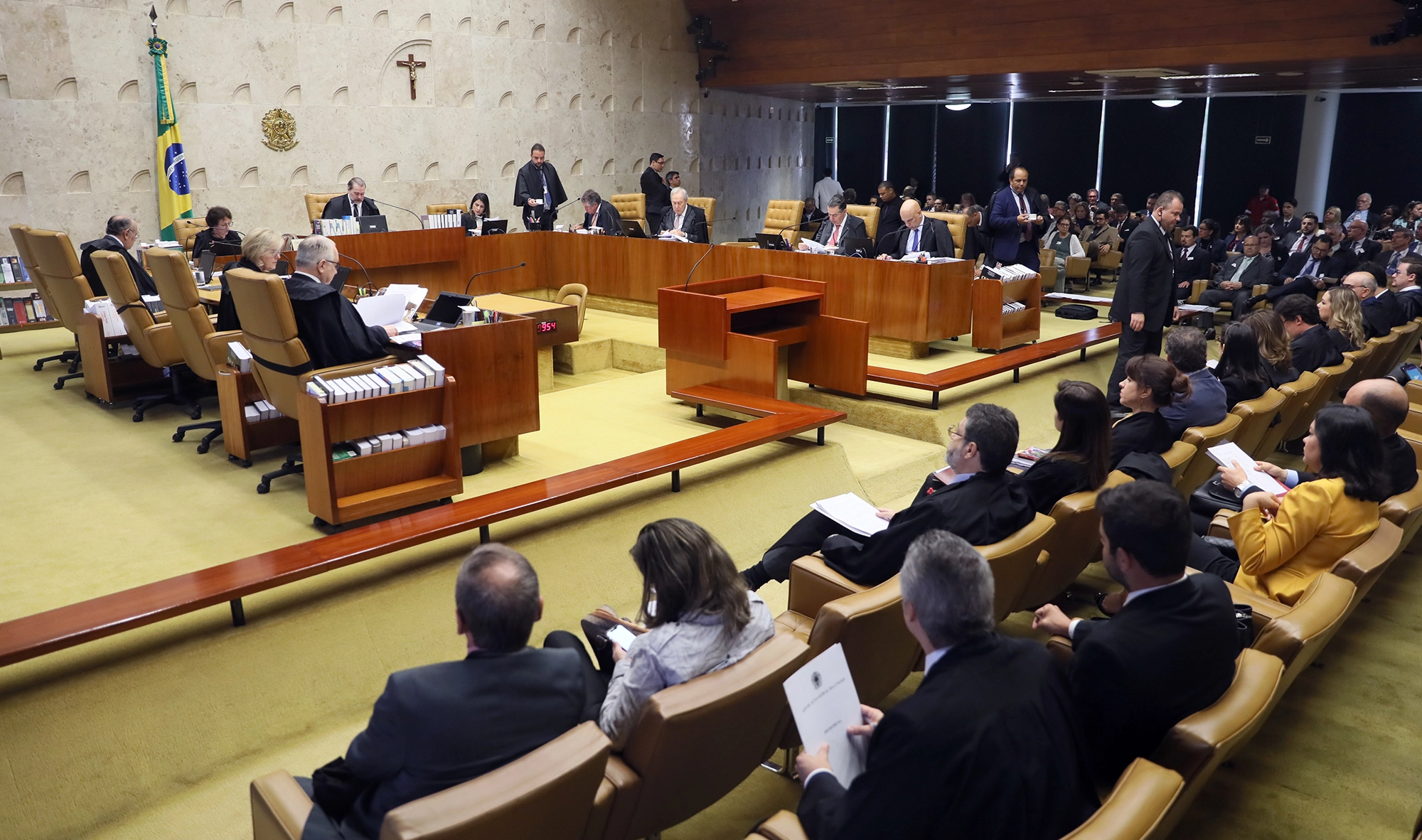
A majority of justices voted in a virtual plenary to allow the retroactive payment of indemnities and bonuses, known locally as penduricalhos, to judges, prosecutors and other senior legal officials. The tally reached at least five votes to none, with the session running until Tuesday, according to the court record carried by the public broadcaster.
The payments had been frozen after a crackdown earlier this year. This ruling, deciding appeals against that decision, releases the suspended back-pay and sets a schedule to clear it.
A virtual plenary is a digital voting session where justices cast votes online rather than gathering in person. It allows the court to handle cases more quickly, though the process remains formal and binding once the session closes.
Why the judicial pay perks ruling matters
Brazil’s constitution caps public salaries at the pay of a Supreme Court justice, currently R$46,300 (US$8,960) a month. In practice, that ceiling is routinely breached.
The mechanism is to label extra money as compensation rather than salary, so it sits outside the limit. A March ruling tried to rein this in, capping such perks at 35 percent of the ceiling, which still lets judges and prosecutors earn at least R$62,500 (US$12,090) a month.
That March framework was not all loosening. It moved health aid onto a reimbursement basis, capped the sale of unused on-call days at 30 a year, and required that converted rest be justified by clear public need.
The June judgment goes the other way on the past. It frees the retroactive sums the March decision had paused, and Justice Luiz Fux argued that acquired rights, such as unused holidays, should face no cap at all.
Acquired rights are entitlements earned under previous rules, which Brazilian law often protects even when new limits come into force. The argument is that officials relied on those rules when they chose their careers, making it unfair to change the terms after the fact.
The fiscal and political backdrop
The timing is awkward. The government is fighting to hold a thin primary surplus and has leaned on spending restraint, even as the courts clear money for their own ranks.
A primary surplus means the government collects more in revenue than it spends on everything except interest on debt. Keeping that balance positive is a key signal to investors and credit-rating agencies that public finances are under control.
Studies put the cost of above-ceiling pay at around R$20 billion (US$3.9 billion) a year, among the highest such totals anywhere. Tens of thousands of judges and prosecutors already earn above the cap.
The gap with peers is wide. The same studies find Brazil pays far more in above-ceiling salaries than neighbors such as Argentina, while the judiciary’s overall budget runs at a multiple of what comparable European systems spend.
For an international reader, the optics are the story. A judiciary that often has the last word on tax and spending rules is also setting the terms for its own pay, in a country where the average wage is a small fraction of these figures.
It also lands at a sensitive moment for the courts. The judiciary is under unusual scrutiny over its pay and accountability, making a ruling that restores money for its own members especially conspicuous, and an easy target for critics in Congress and the press.
The judgment is not yet final. Four justices have still to vote before the session closes, and the judicial and prosecutorial councils will sign off on which retroactive sums are actually paid.
Whether the remaining votes shift the outcome, and how much back-pay the councils ultimately approve, will shape the political fallout. The broader question is whether this decision prompts fresh legislative attempts to tighten the constitutional cap, or whether the judiciary’s interpretation of acquired rights will continue to override spending discipline.
Frequently Asked Questions
What are judicial pay perks (penduricalhos)?
Judicial pay perks, called penduricalhos in Brazil, are allowances and bonuses, for unused leave, extra duties or back-pay, that are treated as compensation rather than salary. Because they sit outside the constitutional salary cap, they let judges and prosecutors earn well above the official ceiling of R$46,300 (US$8,960) a month.
What did the Supreme Court decide?
A majority of the court voted to allow the retroactive payment of perks that had been suspended after a crackdown earlier in 2026. The virtual-plenary score reached at least five votes to none, with the judgment open until Tuesday, June 30, and four justices still to cast votes.
How much do Brazilian judges earn?
The constitutional cap is R$46,300 (US$8,960) a month, but perks push real pay higher. After a March ruling that limited perks to 35 percent of the ceiling, judges and prosecutors can earn at least R$62,500 (US$12,090) a month, and studies estimate above-ceiling pay costs around R$20 billion (US$3.9 billion) a year.
Connected Coverage
› Brazil’s Supersalaries and Hyperactive Courts: How a Democracy Trips Itself Up
› Brazil’s Congress Voted Itself Tax-Free Salaries While the Average Worker Earns Far Less
This article was produced by The Rio Times’ automated newsroom system. How we use AI · Report an error · Editorial responsibility: Matthias Camenzind, Editor-in-Chief
Brazil runoff, Sunday, October 25: Brazil runoff date. Latest: Brazil runoff polls, Flávio 51%, Lula 49%.