Brazil Reaches 85% Clean Power, Targets 90% by 2030 Amid Biofuel Push
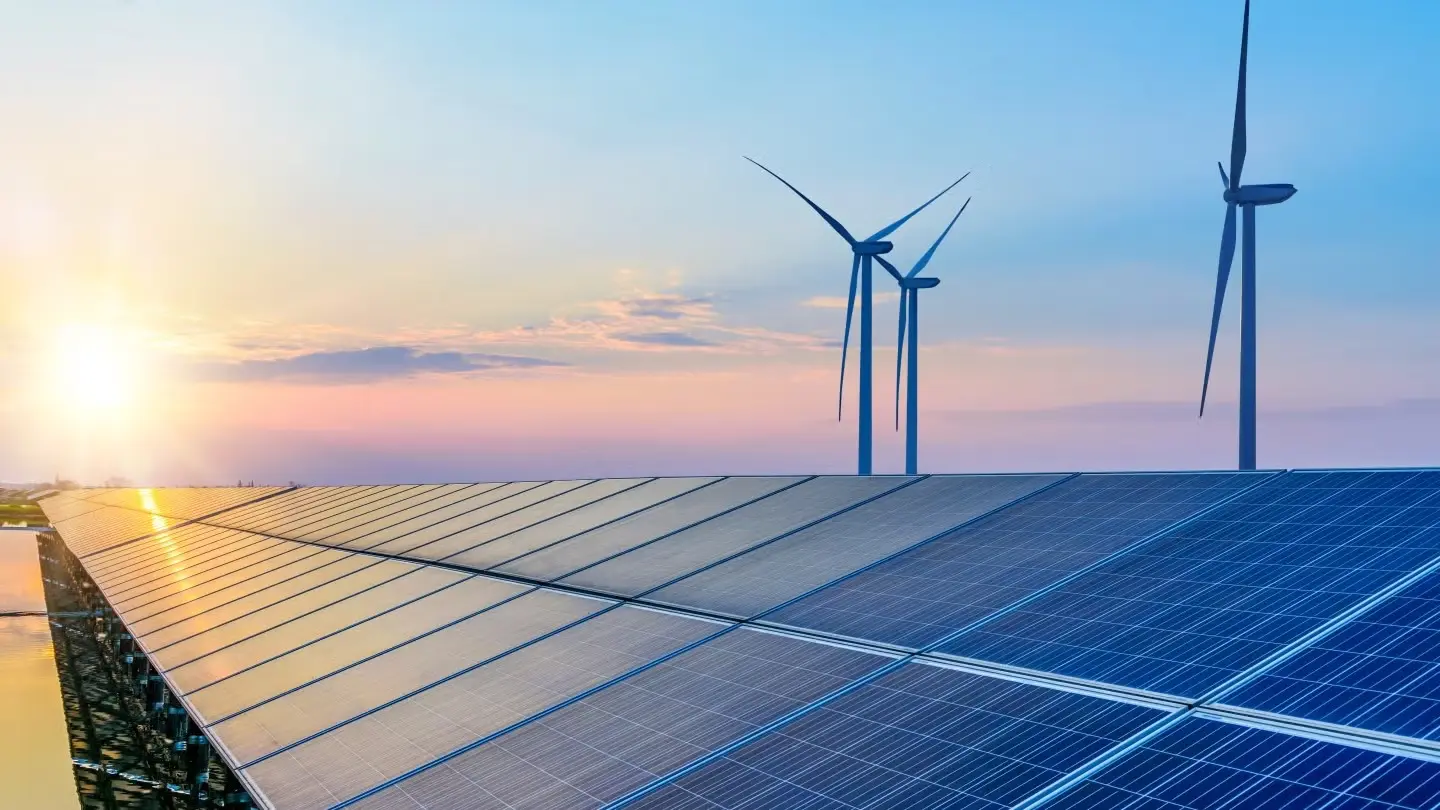
Brazil’s Ministry of Mines and Energy confirmed the nation’s electricity grid now draws 85% of its capacity from renewable sources, fueled by a record 10.9 gigawatts (GW) of new solar and wind projects added in 2024.
This surge, detailed in government reports and regulator data, underscores Brazil’s strategic shift toward energy independence and market-driven climate solutions.
Solar farms contributed 5.6 GW (51.8%) of 2024’s new capacity, with wind adding 4.3 GW (39.2%). States like Minas Gerais (3.17 GW), Bahia (2.4 GW), and Rio Grande do Norte (1.8 GW) led installations, pushing total renewable capacity to 177.7 GW.
Hydropower remains the backbone at 53.8%, but solar’s rapid growth—54.8% year-over-year—reflects targeted investments and simplified permitting.
The industrial sector consumed 64.4% renewable energy in 2024, driven by a 4.1% rise in electricity use over fossil fuels. Transportation saw a 2.7% increase in renewable consumption, supported by a 30.1% jump in ethanol and a 19.3% expansion in biodiesel.
This growth was driven by the Future Fuel Law, which mandates sustainable aviation fuel and green diesel targets by 2030. Electric vehicle sales hit 177,360 units, consuming 309 GWh of power, though fossil fuels still dominate transport emissions (214.3 million tons CO₂).
Brazil’s energy-related emissions fell to 2.0 tons CO₂ per capita, with the grid emitting just 59.9 kg CO₂ per MWh—far below global averages. Yet challenges persist: deforestation accounts for 70% of national emissions, and aging hydropower infrastructure requires modernization.
The government aims for 90% renewable electricity by 2030, leveraging solar’s $7.8 billion annual investment and 281,600 jobs created in 2024.
This transition, rooted in policy and market incentives, positions Brazil as a rare example of scalable, low-cost decarbonization without sacrificing economic growth.
This article was produced by The Rio Times’ automated newsroom system. How we use AI · Report an error
Read More from The Rio Times