Brazil Banned Casinos in 1946 Yet Built One of the World’s Biggest Online Gambling Markets
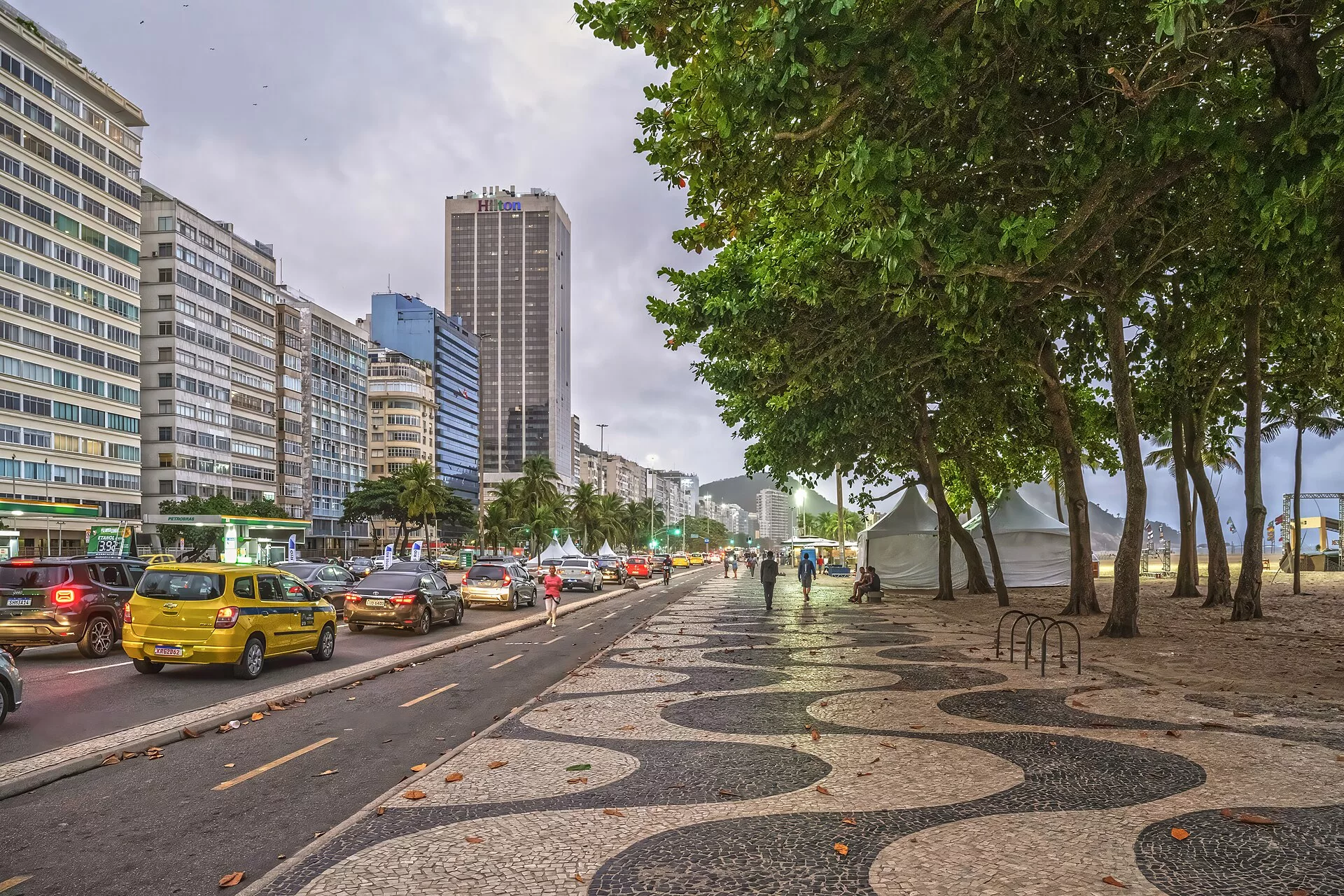
(Sponsored) Walk through any major Brazilian city and you will not find a casino. No slot machines in hotel lobbies, no poker rooms in resort complexes, no roulette wheels anywhere a tourist might stumble across them. Land-based gambling has been illegal in Brazil since 1946, a prohibition that has survived military dictatorship, re-democratisation, and three decades of failed attempts to overturn it.
And yet Brazil generated $7.44 billion in gross gambling revenue in 2025. It now has 81 licensed operators for its regulated online betting market. Millions of Brazilians gamble regularly, mostly on their phones, mostly on casino platforms that did not exist in a legal sense two years ago. The country banned one form of gambling and quietly became a global powerhouse in another.
While Congress Debated, the Online Casino Market Opened
The irony is that while lawmakers spent three decades failing to legalise a physical card table, the online gambling market grew into a $7 billion industry, got regulated, and started paying taxes—a boom our reporting has shown was fueled by aggressive marketing and cultural penetration that outpaced the legislative debate. Brazil’s regulated online framework launched on January 1, 2025, under Law 14,790/2023, with the Secretariat of Prizes and Betting issuing licenses to operators who met financial, technical, and compliance standards.
For anyone tracking which platforms entered the market during that licensing window, these new casinos listings look at which operators have launched recently and are accepting Brazilian players, covering everything from welcome bonuses to payment method support. It is a more useful lens than the official licensing register for players trying to work out who is actually operating and what they are offering.
For players who enjoy competitive formats, it pays to prepare: this guide to maximising your chances in casino tournaments covers the basics.
The contrast with the land-based situation is stark. A Brazilian resident can legally open an account with a licensed online casino, fund it via Pix, and play slots or live dealer roulette from their phone. They cannot walk into a casino hotel and sit at a blackjack table. The digital version of gambling is regulated, taxed, and legal. The physical version remains a criminal offence under a seven-decade-old decree.
The Political Arithmetic Has Not Changed
The reason land-based casinos keep failing in Congress is not economic. Senator Irajá Abreu, the bill’s rapporteur, argues that legalization could generate BRL 20 billion in tax revenue annually and create tens of thousands of jobs, particularly in tourism-dependent regions. The argument has not been persuasive enough. Opposition comes primarily from the evangelical Christian bloc, which holds significant legislative power and frames gambling as a social harm regardless of the revenue case.
Brazil’s Congressional Research Service documents the full legislative history of the casino bill, a paper trail that stretches back to the early 1990s and illustrates just how many times the same vote has been attempted and withdrawn.
President Lula has not pushed hard for the bill, and in February 2026 publicly expressed concern about the social impact of online gambling, distancing himself from a framework his own government created. With elections approaching, no politician in a competitive district wants to campaign as the person who brought slot machines to Brazil. The land-based casino bill, which would be far more visible than an app on a phone, carries even more political risk.
Operators Are Not Waiting for a Physical Address
The global gambling industry has largely stopped treating Brazil’s land-based ban as a problem. Flutter Entertainment, which already operates Junglee Rummy in India, is evaluating the Brazilian online market. Entain has held preliminary partnership talks about the cricket and football betting segments. Betsson has confirmed it is monitoring the licensing framework. None of them need a physical building to operate in Brazil. They need a license, a Pix integration, and a Portuguese-language platform.
The result is a market that looks nothing like the integrated resort casino model that Bill 2,234/2022 envisions. It is diffuse, mobile-first, and growing faster than any physical infrastructure could serve. A resort casino in Fortaleza or Manaus would attract tourists. A licensed online platform reaches 210 million people the day it launches.
What a Casino Boom Without Casinos Actually Means
Brazil’s situation is unusual in global gambling terms but not entirely unique. The country found a way to generate billions in licensed gambling revenue while leaving its most prominent prohibition entirely intact. For Rio de Janeiro, which has been trying to position itself as a tourism and entertainment destination, the absence of a physical casino in a city built for leisure is an obvious gap. For the online industry, it barely registers as a constraint.
The land-based vote will come eventually. The economic case is too strong and the tourism argument too obvious for Congress to keep avoiding it indefinitely. But Brazil has now proven it does not need physical casinos to have a functioning, large-scale, taxed gambling market. Whether that makes the political argument for legalisation easier or harder is, at this point, genuinely unclear.
This article was produced by The Rio Times’ automated newsroom system. How we use AI · Report an error
Read More from The Rio Times