Saint that sealed peace between Argentina and Chile:”‘one foot in each country”
By Amanda Cotrim
Argentina and Chile are like Cain and Abel, two brother countries but with political and war conflicts in their recent histories.
Aside from the Chileans’ well-known support of the British against the Argentines in the Falklands War in 1982, Argentina and Chile were on the verge of exploding a war years earlier.
On December 22, 1978, both armies almost came face to face on the Pauyehue border in a territorial dispute that needed the miraculous intervention of John Paul II in order not to end in tragedy.
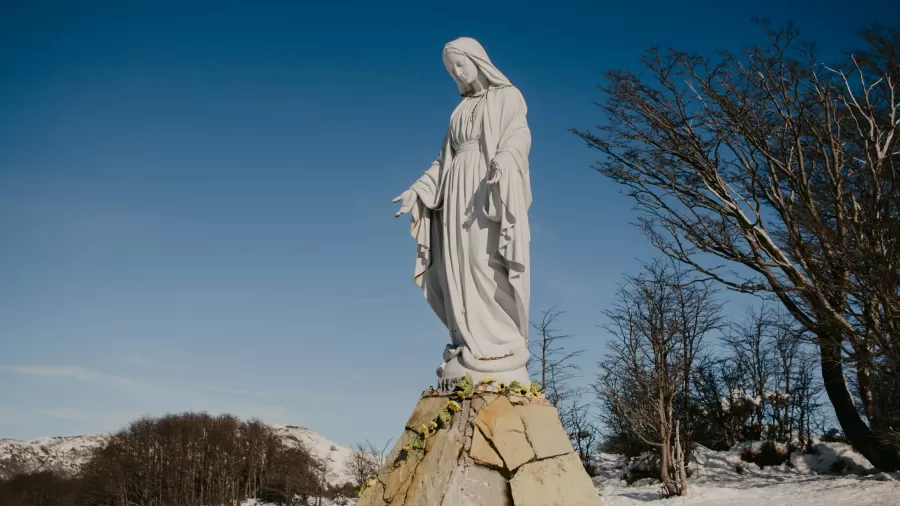
Today the border, about three hours from Bariloche (Argentina), is a place of peace, tourism and pleasure, but it was not always so: proof of this is the monument to the Virgin of Peace, which serves to remind Argentines and Chileans that they are brothers.
Active Patagonia’s mountain guide and coordinator, Ariel Cachazo, says that the Pauyehue border, where the Virgin of Peace is located, is one of the main mountains of the southern Andes.
“The border was later named the Cardenal Samoré Border Complex after Pope John Paul II’s envoy to be the spokesperson of the Catholic Church in the reconciliation process.”
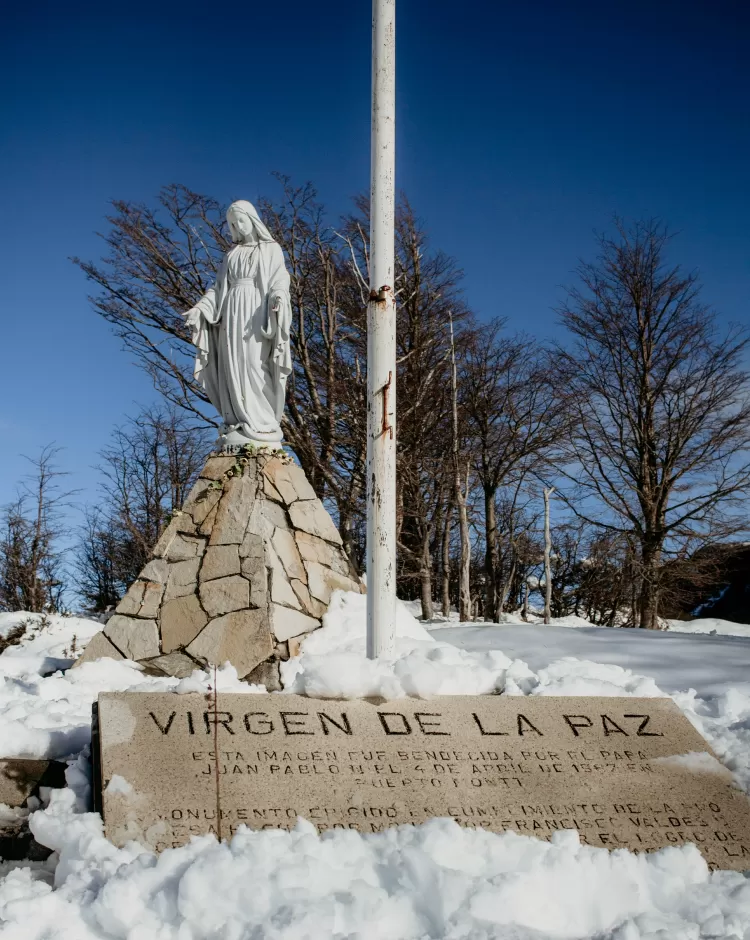
THE CONFLICT ESCALATED DURING THE DICTATORSHIP
The conflict between Argentina and Chile reached its peak in the 1970s.
In 1971, the then Chilean president Salvador Allende and the former Argentine president Alejandro Lanusse had agreed that an international court would mediate the conflict over the Beagle Channel in Tierra del Fuego, extreme south of South America.
Years later, in 1977, in the middle of the Chilean dictatorship under Augusto Pinochet and the Argentine dictatorship under Jorge Videla, an international court consisting of the United States, the United Kingdom, France, and Sweden recognized Chile’s aspirations to be in the Atlantic Ocean.
But the decision did not please the Argentine military, sparking what narrowly became a bloody war.
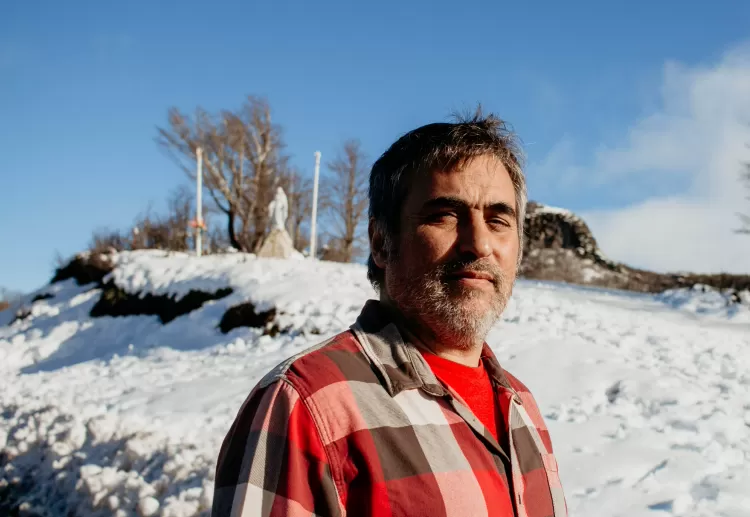
“This is where the Argentine troops advanced on a historic day for both countries. But because of the intervention of Pope John Paul II, Cardinal Samoré was able to mediate the conflict and start a dialogue between the two governments,” contextualized Cachazo.
“If it were not for this, today we would be remembering a bloody war and not peace; that is, history would be different.”
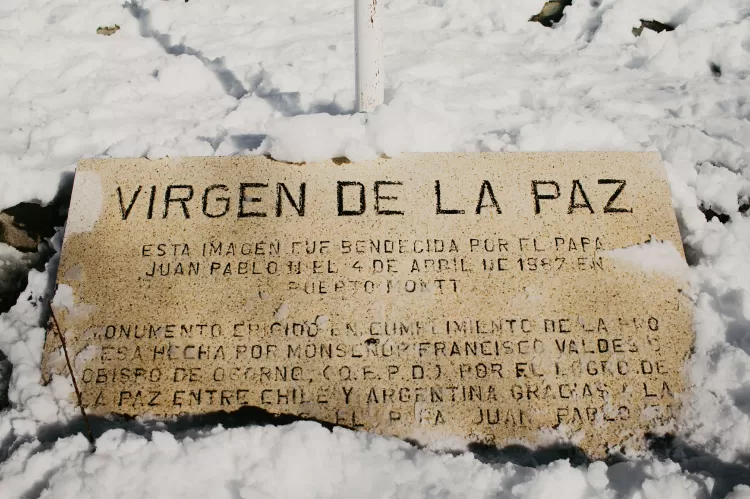
PEACE AGREEMENT COMPLETES 40 YEARS
Even with the intervention of heaven, the signing of the Treaty of Peace and Friendship between Argentina and Chile only materialized six years after the conflict, on November 28, 1984, in the Vatican, which shows that getting around the tension between the two countries was not an easy task even for the Catholic Church.
The agreement at the time was supported by at least 82% of the Argentine population, according to a popular consultation conducted by former president Raul Ricardo Alfonsin and published in the newspapers then.
To seal the peace, among other things, Argentina recognized Chilean sovereignty over the islands Picton, Nueva, and Lennox.
The agreement, however, limited Chile’s maritime projection on these islands, recognizing Argentine sovereignty north of the Beagle Channel.
The two countries also have navigation rights, and Argentina chose to give up its aspirations over the Strait of Magellan.
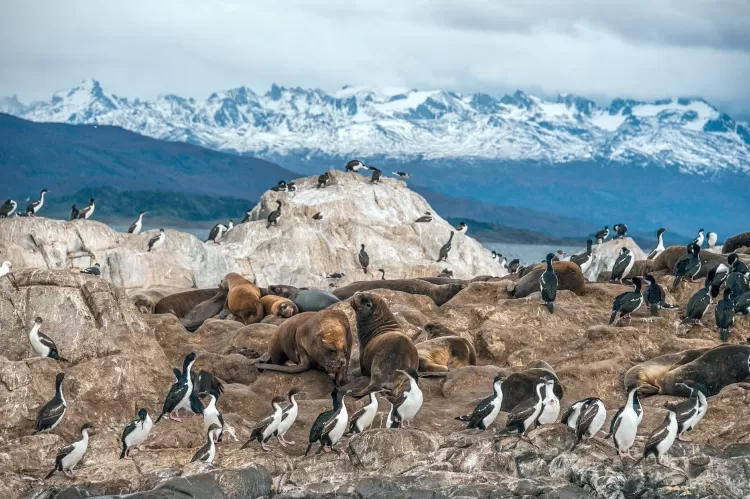
Even today, almost 40 years after the peace agreement, it is very common to hear from some Argentines a certain distrust towards the Chileans, a situation that most of the time is enunciated in a tone of a sarcastic joke, with a smile on the corner of the mouth.
ALL-OUT SNOW WAR
The region where the Virgin of Peace is located is covered with fluffy snow almost all year round, attracting many tourists, especially Brazilians who, according to Cachazo, take the opportunity to be in two countries at the same time, play in the snow and, as a bonus, get to know the history of the place.
For the mountain guide, who takes hundreds of Brazilians to see the snow where the Virgin of Peace is, the Saint symbolizes that times have changed and that history is not frozen in the past of fights, weapons, and disputes.
“Now, the war is only about snow among tourists, especially Brazilians fascinated by the landscape”.
The Saint, designed by architect Jaime Starocelsky, came to seal the promise that Argentina and Chile would never again enter into armed conflict or threaten each other.
With information from UOL
News Latin America, English news Latina America, Latin American tourism
This article was produced by The Rio Times’ automated newsroom system. How we use AI · Report an error · Editorial responsibility: Matthias Camenzind, Editor-in-Chief
Read More from The Rio Times