Mass Bee Die-Off Hits U.S. Agriculture, Costs California Farmers $139 Million
A devastating honeybee die-off this winter has wiped out over 50% of managed colonies across the U.S., resulting in $139 million in losses for California farmers.
This crisis, reported by national beekeeping organizations, comes as the state’s almond industry—entirely dependent on honeybee pollination—enters its critical growing season.
Nearly all of the country’s 3 million honeybee colonies are typically transported to California each year to pollinate almond orchards spanning 1.6 million acres. Beekeepers report catastrophic losses, with some losing up to 100% of their colonies.
These losses threaten not only their livelihoods but also the availability of bees. These bees are essential for pollinating other crops like blueberries, cherries, cranberries, and apples.
Danielle Downey, executive director of Project Apis m., called the situation a “full panic.” Researchers are struggling to determine the cause of the die-offs.
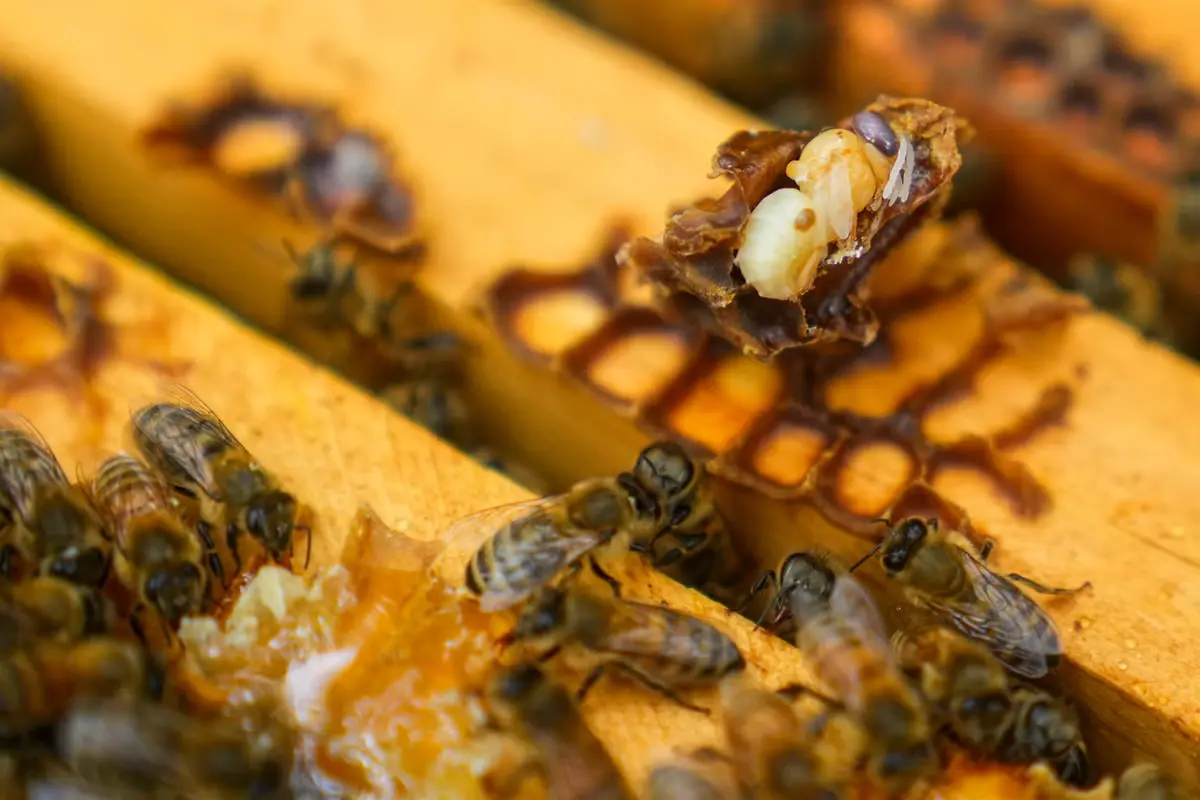
Inspections reveal hives with abundant honey stores but few or no adult bees. This pattern is reminiscent of Colony Collapse Disorder (CCD) from 2007-2008.
Economic and Agricultural Implications
However, unlike CCD, where bees vanished without trace, dead bees are now being found. Common culprits like the varroa mite have been ruled out, leaving researchers to investigate pesticides, diseases, and environmental stressors.
The economic impact extends beyond lost bees. Beekeepers like Tim Hollmann in South Dakota have spent hundreds of thousands replenishing colonies after losing up to 70% of their hives.
Meanwhile, hive thefts in California have surged by 87% since 2013 as farmers and beekeepers scramble to secure pollination resources. This crisis highlights the fragility of agriculture’s reliance on pollinators. Honeybees contribute $15 billion annually to U.S. agriculture by pollinating key crops.
Without immediate solutions, experts warn of long-term risks to food production and market stability. Growers face potential shortages and rising costs during an already challenging season.
More: Brazil news in English, every day from The Rio Times.
This article was produced by The Rio Times’ automated newsroom system. How we use AI · Report an error
Read More from The Rio Times