Brazil Keeps Interest Rates High as U.S. Tariffs Heighten Economic Strain
Brazil’s central bank has decided to hold the country’s main interest rate at 15%—the highest in nearly 20 years—because rising prices and new U.S. tariffs threaten the economy’s stability.
This decision, shared in the bank’s official policy statement and public data, means borrowing will remain costly as leaders try to slow down inflation that is now at 5.35% for the year.
That figure is much higher than the 3% target set by the government, making life more expensive for families and businesses. The trigger for these decisions came when the U.S. government imposed a 50% tariff on many products from Brazil, a move that took effect August 1st.
Sectors such as agriculture and manufacturing now face higher barriers to the U.S. market, which historically absorbs a large share of Brazilian exports.
According to the central bank and trade authorities, this could mean several billion dollars less in exports each year and threatens jobs, foreign investment, and growth.
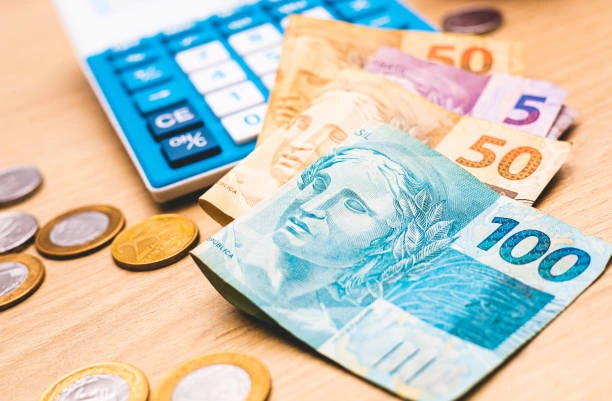
To Brazilians, this double challenge feels immediate. High interest rates mean it costs more to borrow for homes, businesses, or everyday needs, so many slow or hold off on purchases.
The government hopes this will reduce pressure on prices, since people and companies have less money to spend. But economic growth is already slowing, and if both inflation and borrowing costs stay high, families and local businesses may suffer even more.
Brazil’s Economic Tightrope
The central bank says keeping rates high is necessary to control inflation and protect the Brazilian currency from further market shocks that can come from global events like the U.S. tariffs.
However, bank officials admit that their tools can’t fix everything. Tariffs from a major trade partner like the U.S. bring new unpredictability and impact millions, even outside Brazil.
The deeper story here: Brazil is stuck responding to both homegrown and global problems at once. The fight to keep inflation under control now squeezes borrowers; at the same time, tougher trade terms from a superpower create pressure on jobs and business confidence.
Authorities are caught balancing these risks, knowing every decision carries tradeoffs for the people and economy of Brazil. In the end, much depends on whether inflation cools off and trade tensions ease.
But for now, real-world impacts are already being felt—from prices at the checkout to fewer jobs in fields and factories. This is not just a political story but one that plays out across kitchen tables and boardrooms throughout Brazil.
All details are based on official central bank communications, government data, and public policy statements.
This article was produced by The Rio Times’ automated newsroom system. How we use AI · Report an error
LatAm Markets: Live Signals → — real-time movers, turnover leaders and FX across Latin America.
Read More from The Rio Times