Brazil to Sell First Yuan Bond in China to Cut Dollar Reliance
BRAZIL · MARKETS
Key Facts
—A first for Brazil. The country plans to announce its first sovereign bond denominated in Chinese yuan, a so-called Panda bond, two sources told Reuters.
—Timing. The plan is set to be unveiled during an official visit to Shanghai and Beijing on June 24 to 26.
—Who leads it. The delegation is headed by Deputy Finance Minister Dario Durigan, with the ministry declining to comment.
—Part of a pattern. It follows Brazil’s first euro bond since 2014, which raised 5bn euros in April.
—The strategy. Both sales advance a plan to widen Brazil’s presence in global debt markets in currencies other than the dollar.
—The partner. China is Brazil’s largest trading partner, and the two renewed a 190bn-yuan currency swap last year.
Poll data · free to download
Runoff poll average: Flávio Bolsonaro 51.1%, Lula 48.9%
26 national polls from 14 pollsters since 4 October, updated hourly.
Brazil plans to sell its first sovereign yuan bond, a Panda bond it intends to announce during a late-June delegation to China, in a move that widens the country’s borrowing away from the dollar, two people with direct knowledge told Reuters.
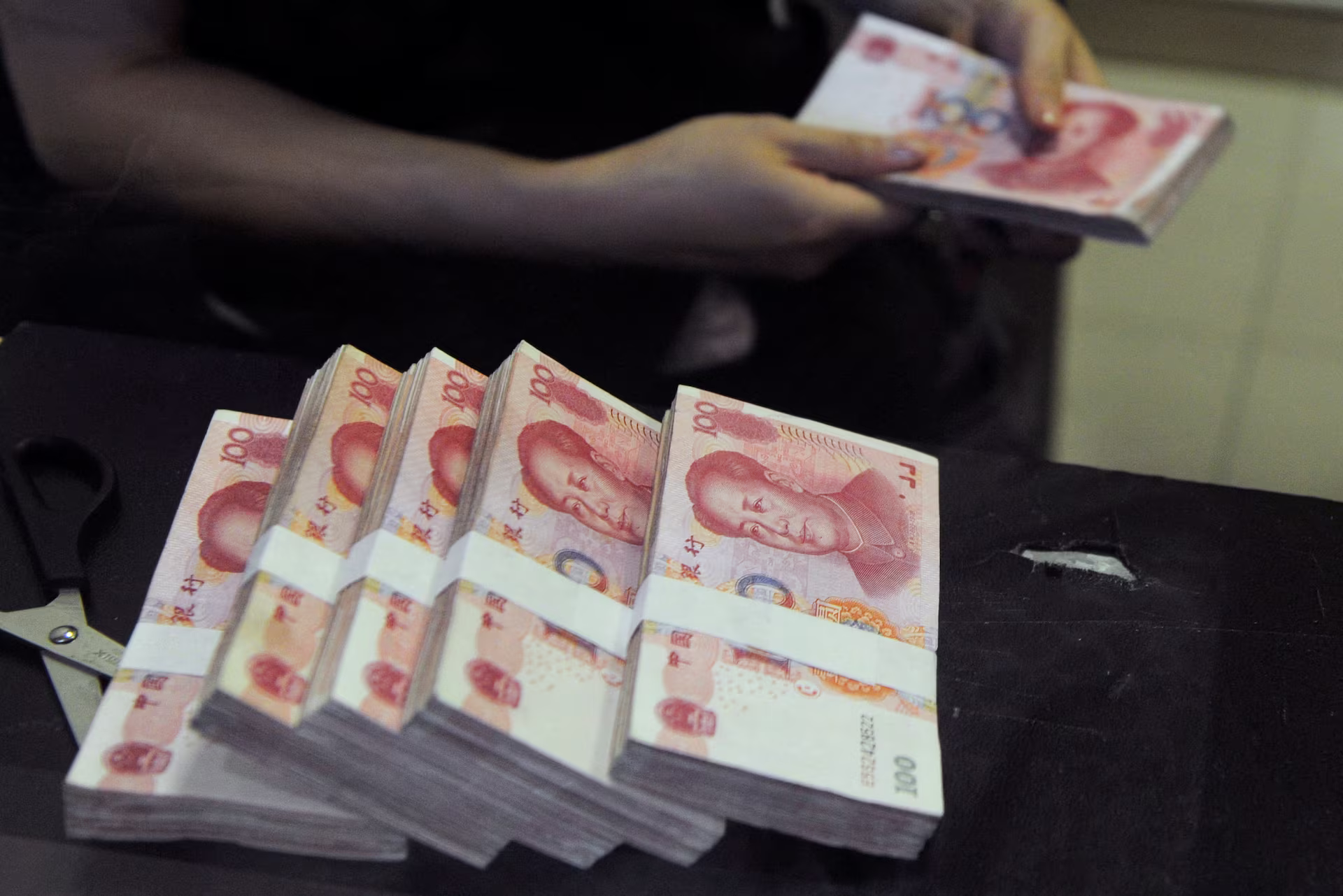
What a Panda yuan bond would mean
A Panda bond is debt sold inside China’s domestic market and denominated in yuan by a foreign borrower. For Brazil, it would be the first time the sovereign has raised money in the Chinese currency.
The plan is expected to be announced during an official trip to Shanghai and Beijing running June 24 to 26. A large delegation led by Deputy Finance Minister Dario Durigan is due to make the visit.
The Finance Ministry declined to comment on the reporting. The size and pricing of any issue have not been disclosed.
Brazil would not be the first government to test the market. Other emerging economies have issued yuan debt in recent years, and Indonesia sold its debut yuan bonds in late 2025.
What makes Brazil’s move notable is its scale as Latin America’s largest economy. A successful sale would be the clearest sign yet that the region’s biggest borrower sees the yuan as a real funding option.
Why Brazil is diversifying its funding
The step fits a deliberate strategy unveiled earlier this year to broaden where Brazil borrows. The aim is to tap more than one currency rather than rely mainly on dollar funding.
It follows Brazil’s return to Europe‘s debt market in April, when it sold its first euro-denominated bond since 2014 and raised 5bn euros, worth close to $6bn at current rates. A yuan sale would add a third major currency to the mix.
Together the two deals mark the most active stretch of overseas issuance Brazil has run in years. The Treasury has signalled it wants a standing presence in several markets rather than one-off trips.
For a debt manager, spreading issuance across currencies can lower costs and reach new pools of investors. It also reduces exposure to swings in any single exchange rate or interest-rate cycle.
There is a catch. Borrowing in yuan or euros shifts currency risk onto Brazil unless the proceeds are hedged or matched against income in those currencies, so the savings are not automatic.
Brazil’s own borrowing costs at home remain high, with the central bank holding rates elevated to tame inflation. That gap is part of what makes funding abroad, in lower-rate currencies, attractive to the Treasury.
The China relationship behind the deal
China has been Brazil’s largest trading partner since 2009 and a major source of investment. The two governments renewed a currency swap worth 190bn yuan last year, designed to ease trade without routing through the dollar.
A sovereign yuan bond would deepen that financial link by drawing Chinese savings directly into Brazilian government debt. Officials are also expected to pitch green-investment vehicles tied to climate and forest-protection projects on the same trip.
For Beijing, each foreign sovereign that borrows in yuan is a small step toward wider international use of its currency. For Brasília, the appeal is cheaper, more diversified funding.
The yuan still accounts for only a small share of global reserves and cross-border payments, well behind the dollar and euro. Each sovereign issue chips away at that gap rather than closing it.
Brazil already holds part of its reserves in yuan and routes a growing share of China trade in local currencies. A sovereign bond would extend that shift from trade flows into the government’s own balance sheet.
What to watch next
The key unknowns are the size, maturity and yield of any issue, none of which has been set out. Those terms will show how much appetite Chinese investors have for Brazilian sovereign risk.
A modest debut would read as a symbolic first step rather than a funding pillar. Investors will also watch whether other emerging-market sovereigns follow Brazil into the Panda market.
The political backdrop matters too. The trip comes as Brasília balances deep trade ties with Beijing against pressure from Washington, making any China-facing financial move read as strategy as much as treasury management.
For now the announcement is the milestone to watch. Whether it lands as a firm mandate or a statement of intent will become clear once the delegation reaches Beijing.
Frequently Asked Questions
What is a Panda bond?
It is a bond sold inside China’s domestic market and denominated in yuan by a foreign borrower. Brazil’s would be its first sovereign issue in the Chinese currency.
When will Brazil announce the yuan bond?
The plan is expected to be unveiled during an official visit to Shanghai and Beijing on June 24 to 26. The trip is led by Deputy Finance Minister Dario Durigan.
Why is Brazil borrowing in yuan?
It is part of a strategy to widen its presence in global debt markets in currencies beyond the dollar. The move follows a 5bn-euro bond sale in April.
How big will the issue be?
The size, maturity and yield have not been disclosed. Those terms will signal investor appetite for Brazilian sovereign debt in yuan.
Connected Coverage
For the wider relationship, see our look at Brazil as China’s second-largest investment target, the long-running debate over trading in real and yuan instead of the dollar, and the fiscal backdrop in our report on Brazil’s 2026 inflation and Treasury outlook.
This article was produced by The Rio Times’ automated newsroom system. How we use AI · Report an error · Editorial responsibility: Matthias Camenzind, Editor-in-Chief
LatAm Markets: Live Signals → — real-time movers, turnover leaders and FX across Latin America.