Brazil Blames Its Former Central Bank Chief for Fintech Chaos. Visitor Logs Suggest Otherwise
Regulation
Key Facts
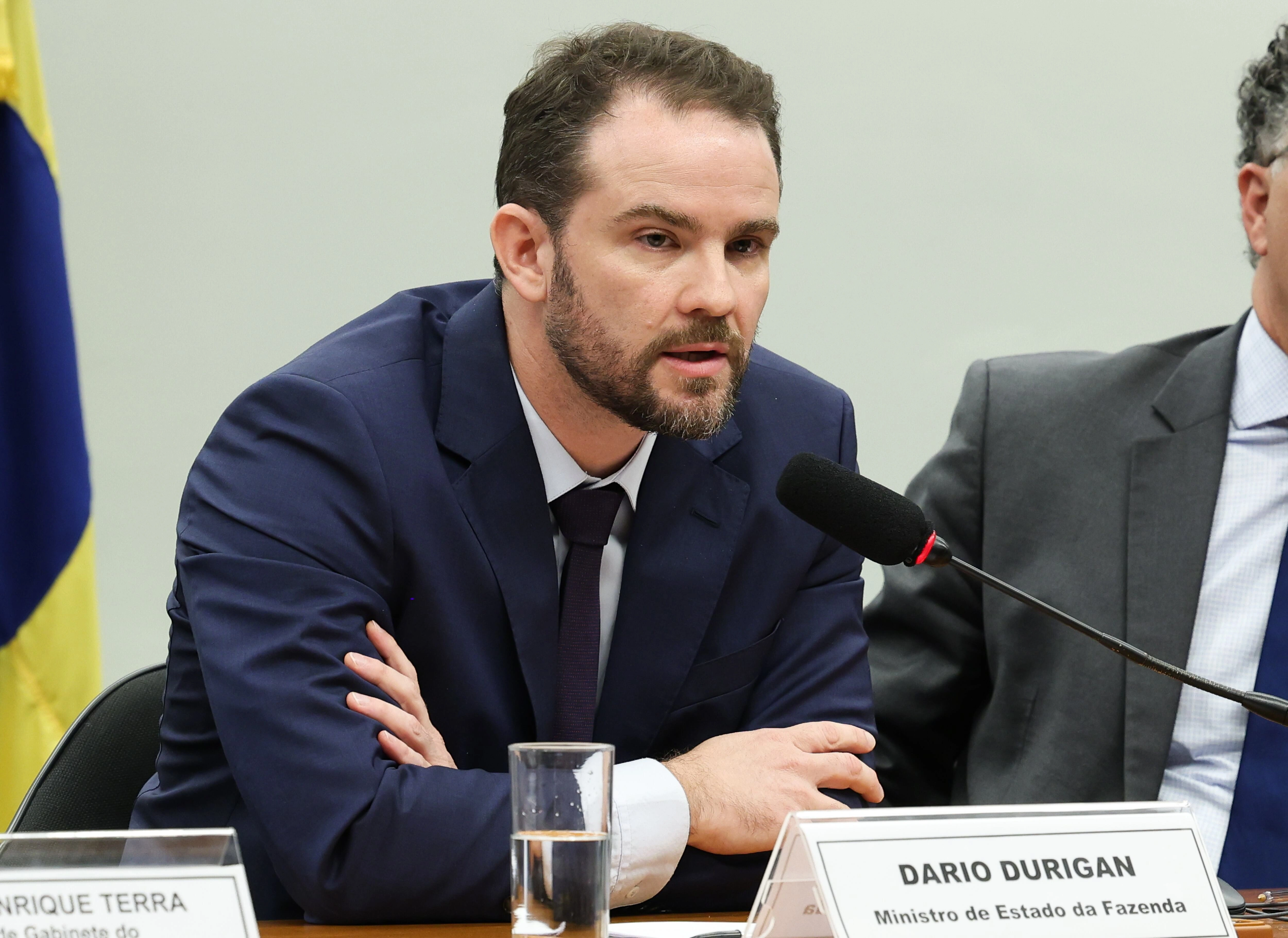
—The charge. Finance minister Dario Durigan said on July 9 that the central bank under Roberto Campos Neto created an anarchy for fintechs.
—The mechanism. Many fintechs were licensed but never supervised, he said, and organised crime now uses them to launder money and collect illegal betting proceeds.
—The blame. He also said the Banco Master scandal arose under his predecessor’s administration.
—The log. Master representatives met central bank officials 65 times since 2019. Twenty-four fell in six years under Campos Neto, forty-one in eleven months under Gabíriel Galípolo.
—The rates. That is roughly four meetings a year against more than forty in under a year, an order-of-magnitude difference in frequency.
—The caveat. No rule was broken. Central bank directors set their own diaries, and a bank in crisis is a bank a regulator sees often.
Brazil’s finance minister used a radio interview to blame the previous central bank governor for the country’s Brazil fintech supervision failures. The visitor log for the bank at the centre of the scandal tells a more complicated story.
On Thursday morning, Dario Durigan delivered a sharp accusation during a radio interview.
He said Roberto Campos Neto’s central bank licensed many fintechs but supervised none of them. That created what he called an anarchy under the pretext of being liberal, and criminal groups now use those firms to launder money and collect illegal betting proceeds.
What Brazil fintech supervision actually looks like
The complaint has a real object. Brazil licensed a vast fintech sector at speed, and payment firms sit outside the supervisory rules that govern banks.
Durigan wants the timetable for bringing them under central bank supervision moved forward. He added that the government will not delay action because an election is approaching.
Nothing in that diagnosis is obviously wrong. The current governor has said much the same, warning that a resolution law written in 1975 cannot cope with digital banks and that his staff has shrunk by more than a thousand over a decade.
Then Durigan reached for the Banco Master scandal, and said it arose under his predecessor. That is where the argument runs into a number.
Sixty-five meetings, and where they fell
Central bank records show that Banco Master representatives met officials sixty-five times. That covers the period from the bank’s founding in 2019 to its liquidation in November 2025.
Twenty-four of those meetings took place across the six years Campos Neto ran the bank. The remaining forty-one happened in the first eleven months of Gabriel Galípolo’s presidency.
Divide it out and the gap is stark. Campos Neto’s central bank saw Master about four times a year; Galípolo’s saw it forty-one times in under one, a rate roughly ten times higher.
Galípolo was appointed by this government, and Durigan serves in it. During the interview he neither raised that record nor was asked about it.
The Brazil fintech supervision reading that cuts the other way
A high meeting count is not proof of anything improper, and it is important to say so. Master collapsed under Galípolo, and a regulator dealing with a failing bank sees that bank constantly.
Galípolo also ordered the liquidation, and told the Senate he found no evidence of wrongdoing by his predecessor. Campos Neto, by this newspaper’s earlier reporting, skipped a congressional summons three times.
One episode still sits awkwardly. In December 2024, Galípolo attended a meeting between President Lula and Master’s owner at the presidential palace.
At the time he was monetary policy director and already named as the next governor. No authority registered that meeting, and Galípolo did not tell Campos Neto about it.
Central bank directors keep their own diaries and need not report them. So no rule was broken.
Why a foreign investor should care
Brazil passed a law in 2021 to shield its central bank from politics. The argument now under way is about who is to blame when supervision fails.
It is being made by a serving minister against a former governor in an election year. That is precisely the ground the autonomy law was meant to fence off.
The substance of the fintech complaint may be sound. But the framing invites the reply that the record does not support it.
Anyone underwriting Brazilian financial risk should watch what follows the rhetoric. A faster supervisory timetable for payment firms would be the largest change to the rules in years, and it has now been promised out loud.
What did Durigan actually say?
Speaking to Rádio Gaúcha on July 9, the finance minister said the central bank under Roberto Campos Neto created an anarchy for fintechs under the pretext of being liberal, authorising many firms without supervising them. He said criminal groups now use those fintechs to launder money and collect illegal betting proceeds, and that the supervisory timetable must be brought forward.
Does the meeting record contradict him?
It complicates the blame rather than refuting the diagnosis. Banco Master representatives met officials twenty-four times in six years under Campos Neto and forty-one times in eleven months under Gabriel Galípolo, though the bank was collapsing in that later period and a regulator meets a failing institution often.
Was any rule broken?
No. Central bank directors are autonomous and need not disclose their appointments to the governor, so Galípolo breached no internal norm by attending an unregistered December 2024 meeting between President Lula and Daniel Vorcaro without informing Campos Neto.
Frequently Asked Questions
What specific accusation did Finance Minister Dario Durigan make about Brazil's fintech supervision?
Durigan said that Roberto Campos Neto's central bank licensed many fintechs but supervised none of them, creating what he called an anarchy under the pretext of being liberal. He added that criminal groups now use those firms to launder money and collect illegal betting proceeds.
How many times did Banco Master representatives meet with central bank officials, and how does that compare across administrations?
Banco Master representatives met central bank officials 65 times since 2019. That breaks down as 24 meetings over six years under Campos Neto and 41 meetings in just eleven months under Gabriel Galípolo. That is roughly four meetings a year under Campos Neto against more than forty in under a year under Galípolo, an order-of-magnitude difference.
Was any rule broken regarding the frequency of meetings between Banco Master and central bank officials?
According to the article, no rule was broken. Central bank directors set their own diaries, and the article notes that a bank in crisis is a bank a regulator sees often, which explains the sharp rise in meetings under Galípolo.
Connected Coverage
Lula Personally Told Master Banker to Reject BTG Buyout
Brazil’s Bank Cleanup Hits 13 Liquidations After the Master Collapse
This article was produced by The Rio Times’ automated newsroom system. How we use AI · Report an error · Editorial responsibility: Matthias Camenzind, Editor-in-Chief