Brazil Farmers Get a Modernized Insurance Safety Net
BRAZIL · AGRIBUSINESS
Key Facts
- —What happened: Brazil enacted a new rural insurance law creating a Catastrophe Fund for losses from droughts and floods.
- —How big: Brazil’s farms lost about R$184 billion (about US$36 billion) to climate disasters from 2022 to 2024.
- —What it means: The new law bars government funding freezes and gives insured farmers priority access to rural credit.
- —The catch: Insurance covered just 9 percent of those losses, and only 2.2 million hectares carry crop insurance today.
- —Where: Lawmakers timed the law to this month’s planting season start in Mato Grosso, Brazil’s top farm state.
Brazil’s new rural insurance law creates a Catastrophe Fund for farmers hit by drought and floods.
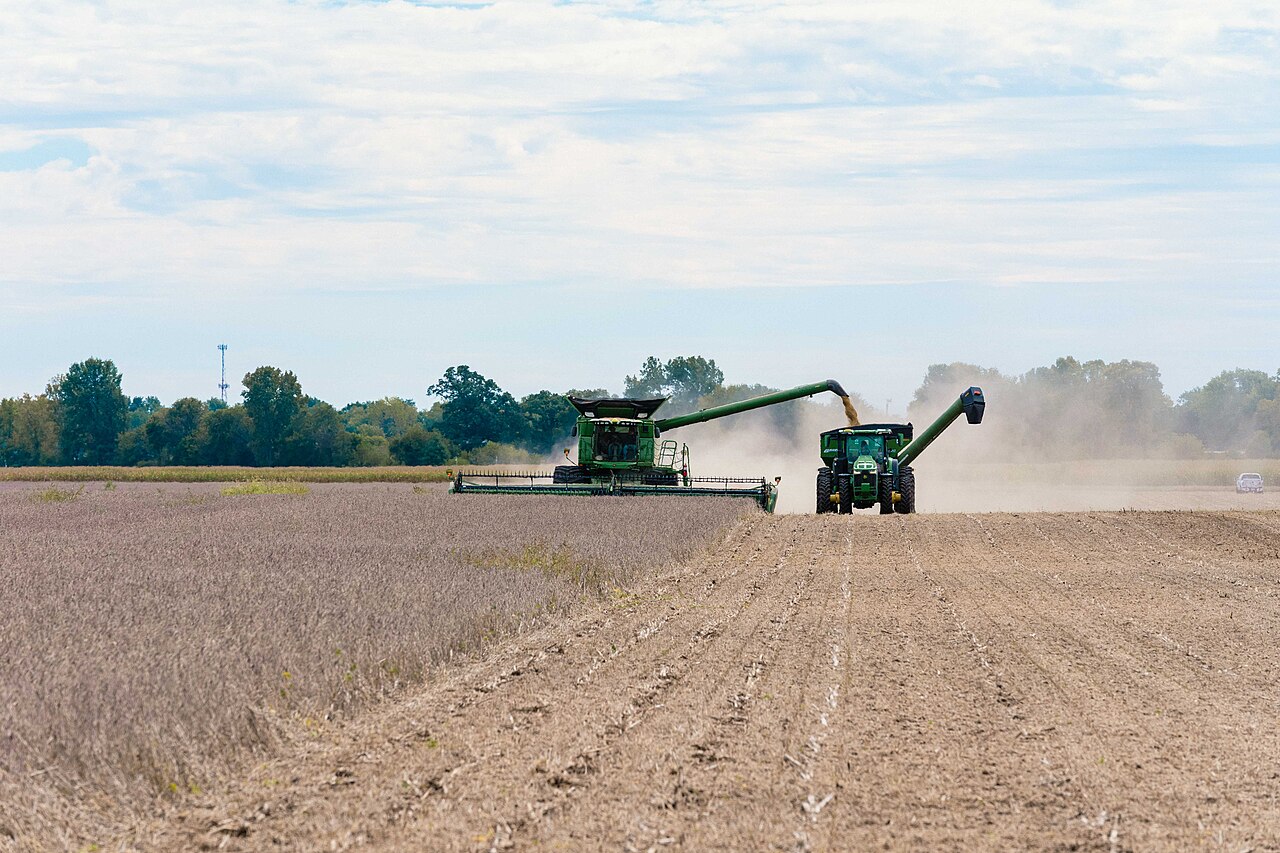
Brazil has a new safety net for its farmers. A modernized rural insurance law creates a Catastrophe Fund to help cover losses from droughts and floods.
Lawmakers timed the law to this month’s planting season start in Mato Grosso, Brazil’s top farm state. A Pacific Ocean weather pattern called El Niño threatens more droughts and floods this year.
Brazil ranks among the world’s top exporters of soybeans and coffee. Bad weather in farm country can ripple through global food prices.
Mato Grosso grows much of Brazil’s soybean and corn crop each year. That makes it a logical testing ground for the new coverage rules.
Why the Fund Exists
Brazil’s farms lost about R$184 billion (about US$36 billion) to droughts and floods between 2022 and 2024. Government estimates say insurance covered only 9 percent of those losses.
Only about 2.2 million hectares of Brazilian farmland carried crop insurance as of 2025. That’s a small share of the country’s vast farm belt.
Droughts and floods can wipe out a season’s income within weeks. The new Catastrophe Fund aims to get help to farmers faster.
Most growers simply absorbed the losses themselves. That’s according to Agência Senado, the Brazilian Senate’s news service.
A catastrophe fund pools money so it can pay out fast after a large region-wide disaster. Supporters say that beats waiting on case-by-case insurance claims.
Stopping the Freezes That Cut Into Aid
Brazil often freezes parts of its budget when tax revenue falls short. Farm subsidies have been an easy target for those cuts.
The new law bars government freezes on subsidy money. It also speeds up how fast farmers get claim payments after a disaster.
Brazil budgeted R$1.017 billion (about US$198 million) for insurance subsidies in 2026. Automatic freezes had already cut roughly half of that money before the new law passed.
Agência FPA is Brazil’s national farm lobby. It had asked for closer to R$4 billion (about US$778 million) in subsidy funding.
The new law aims to stop freezes like that from happening again.
A Reason to Buy Coverage
Farmers who buy crop insurance now get priority access to rural credit. They also qualify for lower interest rates and longer repayment terms.
Rural credit helps farmers buy seeds, machinery and fertilizer each planting season. Easier access to that credit could push more growers toward buying coverage.
Cost and paperwork have long kept many small growers away from crop insurance. The new credit perks aim to make buying a policy pay off sooner.
Only a small slice of Brazil’s farmland carries insurance today. The new incentives aim to change that before the next drought or flood hits.
More: Brazil news in English, every day from The Rio Times.
Frequently Asked Questions
What is Brazil’s new Catastrophe Fund?
It’s a fund created by Brazil’s new rural insurance law to help cover farm losses from droughts and floods.
Why does El Niño matter for this law?
El Niño is a Pacific Ocean weather pattern that can bring more droughts and floods to Brazil this year. Lawmakers timed the new law to arrive before that risk peaks during planting season.
How does the law help farmers get credit?
Farmers who buy crop insurance now get priority access to rural credit. They also qualify for lower interest rates and longer repayment terms.
Sources: Agência Senado (Brazilian Senate news service), Agência FPA, Rio Times Online.
This article was produced by The Rio Times’ automated newsroom system. How we use AI · Report an error
In depth
Read More from The Rio Times