Brazil Electoral Fund Frees US$440 Million in Public Campaign Money
Brazil · Politics
Key Facts
- —What happened Brazil’s electoral court freed US$440 million in public campaign money on August 18, 2026.
- —How big a jump The released sum is part of a nearly US$950 million taxpayer-funded pot for the October 4 vote.
- —The real story Campaigns run mostly on public money because corporate donations were banned in 2015.
- —The catch One party’s dispute over a single seat froze payments for all 30 parties for days.
- —Who it touches The Liberal Party gets the largest share at US$169 million; the Workers’ Party follows with US$118 million.
- —What comes next Parties must distribute the cash to candidates by August 30, ahead of the October 4 election.
The unlocked slice is one piece of a nearly US$950 million pot that taxpayers hand political parties before the October 4 vote.
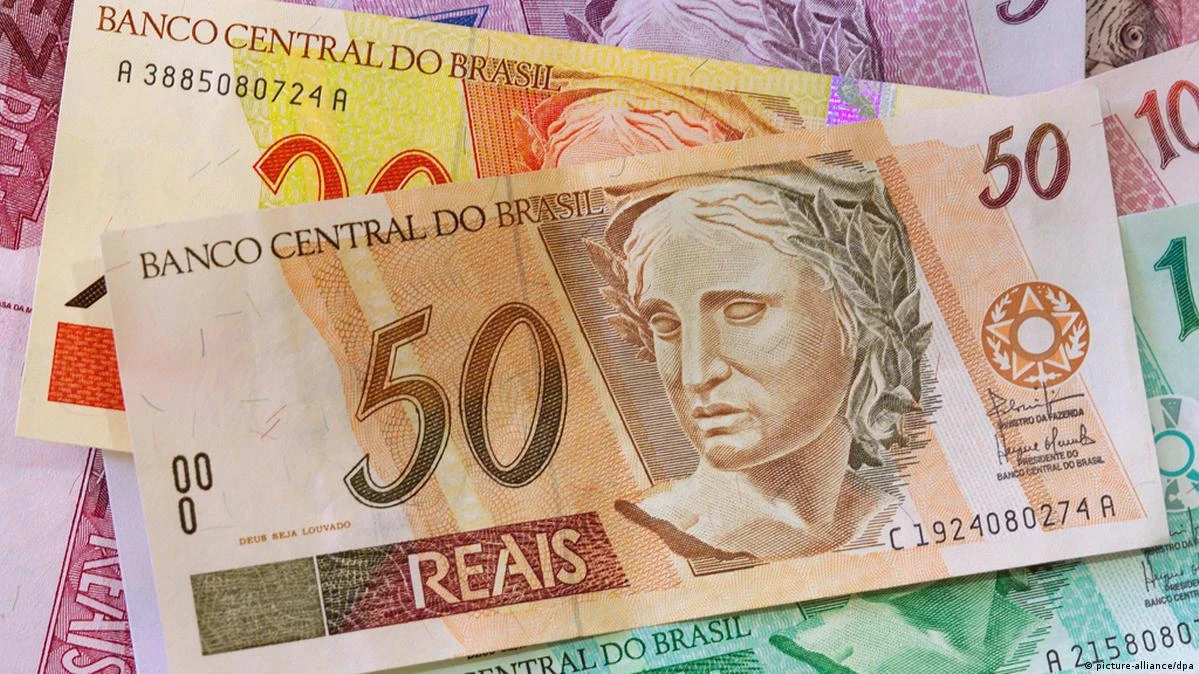
Money from the Brazil Electoral Fund is moving again. On August 18, 2026, the Superior Electoral Court (TSE) released R$2.3 billion, about US$440 million, to political parties.
The payment had been frozen for days because the Workers’ Party (PT) was suing over how its own share was calculated.
What the Brazil Electoral Fund Actually Is
Brazilian campaigns run mostly on public money. Companies were banned from donating in 2015, and Congress replaced them in 2017 with a taxpayer-funded pot.
That pot is the Fundo Especial de Financiamento de Campanha, or FEFC. In English it is simply the Brazil Electoral Fund, and every real inside it comes from the federal budget.
Why the Payment Got Stuck
The court had already published each party’s number on July 1. Yet the biggest chunk of the money never left the account.
On August 13, minister Estela Aranha asked to review the PT case, which paused the judgment. As a result, R$2.3 billion (about US$443 million) sat frozen for every party, not just the PT.
Other parties could only wait. Because the 48% band is calculated as one block, a dispute over one party’s seat count froze everyone’s transfer.
The Fight Was Over a Single Deputy
The PT did not attack the formula. Instead, it argued that its bench in the Chamber of Deputies should count 69 members rather than 68.
The extra name was Paulão, a PT deputy from Alagoas. He lost his seat after a 2022 vote recount.
Although a May 2026 order from Supreme Court minister Dias Toffoli suspended that process.
How the Court Closed the Case
TSE president Kassio Nunes Marques, who was also the case rapporteur, voted against the party. He held that Toffoli’s order paused the proceeding but did not force a fresh recount.
The PT then withdrew the petition. On August 18 the full court unanimously accepted the withdrawal and shut the case without judging the merits.
There was a second reason to give up. On August 12, Supreme Court minister Cristiano Zanin rejected Paulão’s separate bid to recover his mandate.
How the Cash Is Divided
The split is written into Brazil’s election law and leaves the court almost no discretion. Two percent goes equally to every registered party, so even tiny ones get something.
After that, 35% follows votes cast for the Chamber, 48% follows the number of federal deputies, and 15% follows Senate seats. The 48% band is the piece that was blocked.
Who Takes Home the Most
The Liberal Party (PL), which backs the Bolsonaro camp, leads with roughly R$881.7 million, near US$169 million. The PT follows with about R$615.4 million, or some US$118 million.
União Brasil takes around R$526.2 million (US$101 million), the PSD about R$421 million (US$81 million). And the PP roughly R$417.1 million (US$80 million).
Together those five hold 57.68% of the fund. Small parties are not left empty-handed.
The 2% equal share guarantees each of the 30 registered parties a floor. Although it is a rounding error next to the PL’s total.
What the Money Can Buy
Spending limits were kept at 2022 levels and only adjusted for inflation. A presidential campaign may spend up to R$88.9 million in the first round, close to US$17 million.
A runoff adds R$44.4 million more, near US$8.5 million. Governor races in São Paulo are capped at R$26.6 million, while a federal deputy may spend roughly R$3.2 million, near US$610,000.
Those ceilings cover the obvious costs. Rallies, sound trucks, printed material, marketing teams and paid social media boosts all come out of the same pot.
Why Brazilians Call It the Fundão
Critics use the nickname fundão, meaning the big fund, and the arithmetic explains why. Divided by 158,745,463 registered voters, the fund costs roughly R$31 a head, about US$6.
Lawmakers set the amount themselves. In October 2025, the budget committee lifted the 2026 figure from R$1 billion (about US$193 million) to R$4.9 billion (about US$944 million).
Moving R$2.9 billion (about US$558 million) away from parliamentary earmarks.
The Argument on the Other Side
Defenders say the alternative was worse. Before 2015, construction giants bankrolled campaigns, and the Lava Jato scandal showed what those favors bought.
Public money is also easier to police. Because the court controls the flow, it can force parties to send at least 30% of the fund to women candidates.
There is a practical argument too. Public funding is traceable, so auditors can follow each transfer instead of chasing hidden company favours.
The Fund Is Shrinking in Real Terms
The headline number looks frozen in time. The FEFC has stayed near R$4.9 billion (about US$944 million) since 2022, even though prices have climbed since then.
A separate permanent pot, the fundo partidário, adds R$1.43 billion a year for party running costs. That is another US$274 million, paid monthly whether or not there is an election.
Wealthy donors have not disappeared. Individuals may still give up to 10% of their previous year’s income, which keeps a private lane open beside the public one.
What Happens Next
Parties must now hand the money to candidates. The general deadline is August 30, while transfers tied to the quotas for women, Black and Indigenous candidates run to September 8.
Voting is on October 4, with any runoff four weeks later. Since the campaign opened on August 16, the released cash arrives just as television and online advertising begin in earnest.
Leftover money does not stay with the parties. Campaign accounts are audited by the court, and unused public funds must be reported and returned rather than pocketed.
Background: Lula 39%, Flávio Bolsonaro 33% — Brazil’s Race in the July Polls.
Background: Brazil Tax Reform Timeline: Tech Sector Faces 2026 Invoice Shock.
Background: Fintechs and Digital Banks in Brazil 2026: Market Guide.
More: Brazil news, every day from The Rio Times.
Frequently Asked Questions
How much was released and when?
The TSE released R$2.3 billion, about US$440 million, on August 18, 2026. It is the 48% slice of the campaign fund tied to the size of each party’s bench in the Chamber of Deputies.
What was the Workers’ Party suing about?
The PT wanted its Chamber bench counted as 69 deputies instead of 68, which would have lifted its share. It dropped the case, and the court closed it without ruling.
How big is the whole fund?
The 2026 Brazil Electoral Fund totals R$4,961,519,777, roughly US$950 million at R$5.22 to the dollar. Thirty parties share it, and the top five take 57.68%.
Where does the money come from?
The federal budget. Congress sets the amount each year, and the fund exists because the Supreme Court banned corporate donations in 2015.
Connected Coverage
Sources: Tribunal Superior Eleitoral; Folha de S.Paulo; O Globo; Estadão; CartaCapital.
This article was produced by The Rio Times’ automated newsroom system. How we use AI · Report an error
Read More from The Rio Times