Lula Extends Brazil’s Diesel Subsidy Eight Days Before the Election
Key Facts
Fuel prices have shadowed every Brazilian election since the truckers’ strike of 2018. With eight days left before the first round, the government has kept the diesel discount in place.
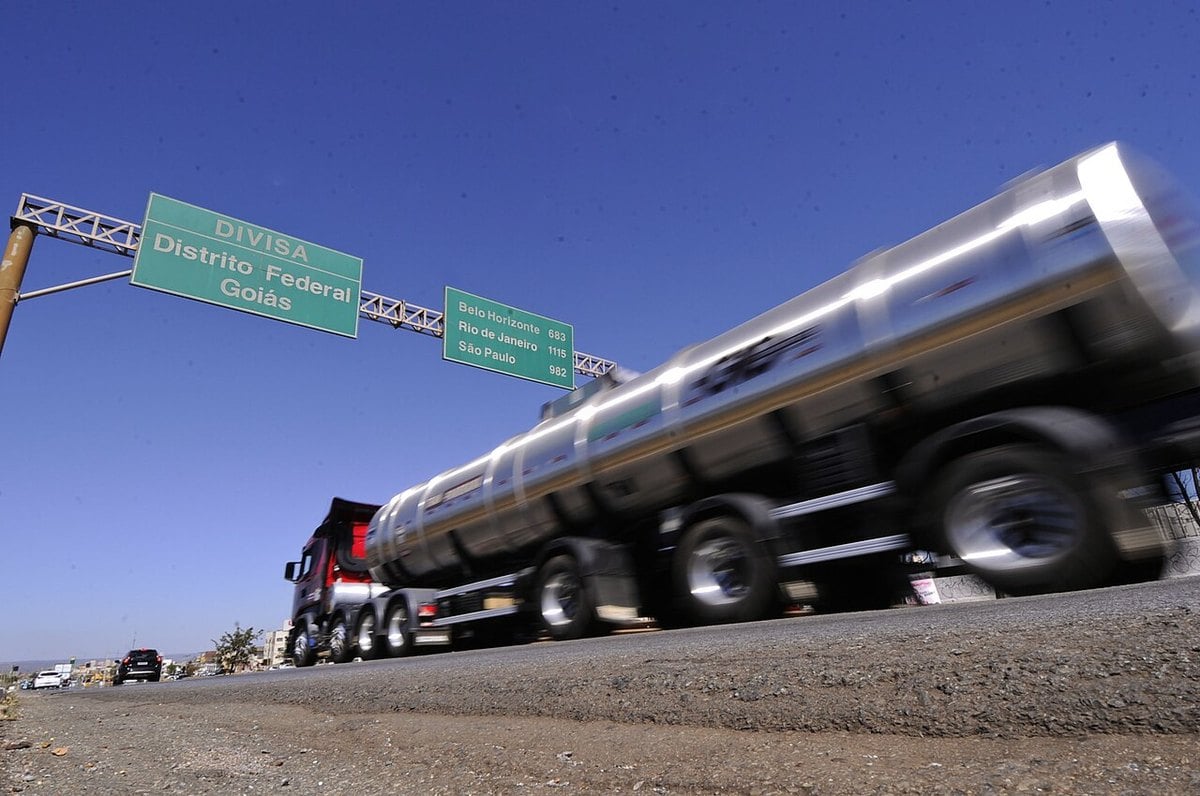
Brazil’s finance ministry signed an order on 25 September 2026 extending the diesel subsidy for a further 30 days. The measure keeps a discount of R$2.12 a litre (about US$0.41) that was due to lapse on 26 September.
Why This Matters Beyond Brazil
Diesel moves almost everything in Brazil, because roughly two thirds of freight travels by road. A change in the diesel price feeds into food prices within weeks, so it shapes inflation.
It also shapes politics, as the truckers’ strike of 2018 paralysed the country for eleven days. President Luiz Inácio Lula da Silva is seeking a new term in the vote on 4 October 2026.
His main rival is Senator Flávio Bolsonaro, son of the former president Jair Bolsonaro. The Rio Times reported this week on a Datafolha poll putting Lula on 40 per cent and Flávio Bolsonaro on 36.
For investors, the question is what the subsidies cost and how long they last. For residents and companies, the question is what happens at the pump after late October.
Dollar figures here use the central bank PTAX selling rate of R$5.1991 per dollar on 25 September 2026. PTAX is the official reference rate published each business day by the Banco Central do Brasil.
What Was Signed and When
The instrument is a portaria, an administrative order issued by the finance ministry. CartaCapital reported that it was signed on 25 September and runs 30 days from 27 September.
Without it the discount would have fallen when an earlier provisional measure expired. Gazeta Brasil reported the extension as coming eight days before the first round of voting.
Planning Minister Bruno Moretti said on 24 September that the trend was to keep it. Poder360 reported that the final decision still required sign-off from the president.
The order does not change the size of the discount, which stays at R$2.12 (about US$0.41) a litre. It changes which legal instrument pays for it, so that the total stays the same.
How the Subsidy Is Built
The discount is made of two parts that were created at different moments. One part is worth R$1.12 a litre (about US$0.22) and came from provisional measure 1.363 of 2026.
The other is worth R$1.00 a litre (about US$0.19) and was added in early September. CartaCapital reported that the first part was set to expire at the end of September.
The government raised the second part to cover the gap, keeping the headline figure unchanged. Refineries sell at the discounted price and are reimbursed from the federal budget.
That means the relief reaches the pump through the refinery gate rather than through a tax cut. SBT News reported that the R$1.12 (about US$0.22) tranche dates back to measures taken in May.
Not the Same as the Petrol Discount
This is a separate programme from the petrol subsidy already in force. The Rio Times covered the decree creating a R$0.44 (about US$0.08) a litre petrol subsidy earlier this year.
We also reported the 30-day extension of that petrol discount as crude passed US$100 a barrel. Since 10 September the government has also cut federal PIS and Cofins levies on petrol.
Metrópoles reported that cut at R$0.63 a litre (about US$0.12), with R$0.19 (about US$0.04) for ethanol. Diesel is treated separately because Brazil imports about a quarter of what it burns.
What It Costs
Poder360 put the combined monthly cost of the fuel measures at about R$7 billion (US$1.35 billion). It covers the new R$1.00 (about US$0.19) diesel tranche plus the petrol and ethanol tax relief.
Correio Braziliense reported that a new provisional measure was expected to add about R$5 billion (US$960 million). Moretti put total diesel subsidy spending at about R$40 billion (about US$7.7 billion) through the year.
That figure was presented with the fourth bimonthly revenue and spending report, Correio Braziliense reported. The planning and budget ministry did not answer Poder360’s questions on the fiscal impact.
Brazil’s fiscal framework caps spending growth, so unbudgeted relief tightens other lines. Ratings agencies and bond investors have watched the fuel account closely since March.
The Government’s Case
Officials justified the extension by citing the persistence of volatility in international oil and fuel prices. They linked that volatility to the Middle East conflict that began on 28 February 2026.
Brent crude has traded above US$100 a barrel for much of the period since then. The ministry said the change does not raise the subsidy but preserves the value already in force.
Its argument is that letting the discount fall to R$1.00 (about US$0.19) would have raised freight costs. Higher freight costs, it says, would push up supermarket prices within weeks.
The Opposition’s Case
Critics say the timing is the point, because the order lands in the final week of the campaign. Gazeta do Povo, a centre-right daily, called the approach an electoral “vale-tudo”, or anything goes.
Its Coluna Esplanada columnist Leandro Mazzini wrote that the government is holding inflation down by decree. He wrote that the government is exporting all the crude it can to attract dollars and hold the rate.
Opposition politicians have argued for cutting fuel taxes permanently instead of paying temporary subsidies. Former president Jair Bolsonaro made the same argument during his own term in office.
No electoral court has ruled that the extension breaks campaign rules, and the government denies any such aim. Brazilian law restricts new benefits in election years, but existing programmes may generally be maintained.
What the Pump Shows
Metrópoles reported that common petrol rose from R$6.28 to R$6.53 a litre (about US$1.21 to US$1.26). That is an increase of just under 4 per cent since the conflict began.
The same survey found S10 diesel up 14.45 per cent, the steepest move of any fuel. Ethanol fell 12.74 per cent over the period, helped by a full federal tax exemption.
Economist Carlos Eduardo Oliveira Jr. told Metrópoles that subsidies have limits. The subsidy “reduces part of the impact, but may not offset the whole rise in costs”, he said.
What It Means If You Live or Trade in Brazil
Hauliers and bus operators keep their current diesel price until late October. Importers should expect the reimbursement mechanism to continue on its present terms for now.
Anyone budgeting for November should plan for the discount to be reviewed again. Investors in Brazilian bonds should watch the size of any new provisional measure.
Households will feel the diesel decision indirectly, through food and transport prices. Nothing announced so far removes the subsidy, but nothing guarantees it past the new deadline.
What Is Not Yet Known
It is not known whether the discount will be renewed again after late October. The government has not published a full cost estimate for the extended period.
It is not known how the winner of the election would treat the programme. No decision has been announced on the petrol and ethanol tax relief beyond its current term.
Frequently Asked Questions
What exactly was extended?
The finance ministry extended a diesel subsidy of R$2.12 a litre (about US$0.41) for 30 days from 27 September 2026. The discount reaches drivers through refineries, which are reimbursed by the federal budget.
Is this the same as the petrol subsidy?
No, the petrol programme is a separate discount of R$0.44 a litre (about US$0.08). Federal levies on petrol and ethanol were cut separately in September.
How much does the fuel relief cost?
Poder360 put the combined monthly cost at about R$7 billion (US$1.35 billion). The finance ministry has not published a precise figure for the extension.
Why now?
The earlier legal instrument was due to expire on 26 September, eight days before the first round of the election. The government says it acted because international oil prices remain volatile.
Sources: CartaCapital, the 30-day extension and the two components, Poder360, the structure and the monthly cost, Gazeta Brasil, the extension eight days before the vote, SBT News, the ministry order and the timeline, Metrópoles, pump prices and the economist’s assessment, Gazeta do Povo, Coluna Esplanada on the electoral calculation, Correio Braziliense, the cost of the new provisional measure, Banco Central do Brasil, PTAX dollar rate
This article was produced by The Rio Times’ automated newsroom system. How we use AI · Report an error
Read More from The Rio Times