Brazil Betting Boom Eats Into Family Spending on Clothes and Food
BRAZIL · BUSINESS
Key Facts
—The claim. Brazilian retailers say an online betting boom is pulling money away from shops, from clothing to supermarkets.
—The evidence. A retail-sector study found most online bettors said the habit had strained their income; many cut spending on clothes and groceries.
—The scale. Gambling has climbed to roughly 2.7 percent of household income, up from under one percent in 2018.
—The doubt. Some bank economists reject the link, saying retail sales have held up broadly in line with expectations.
—Why it matters. If real, the shift would reshape where a chunk of consumer demand lands across the economy.
—The backdrop. Brazil is one of the world’s largest online betting markets, with household debt near record highs.
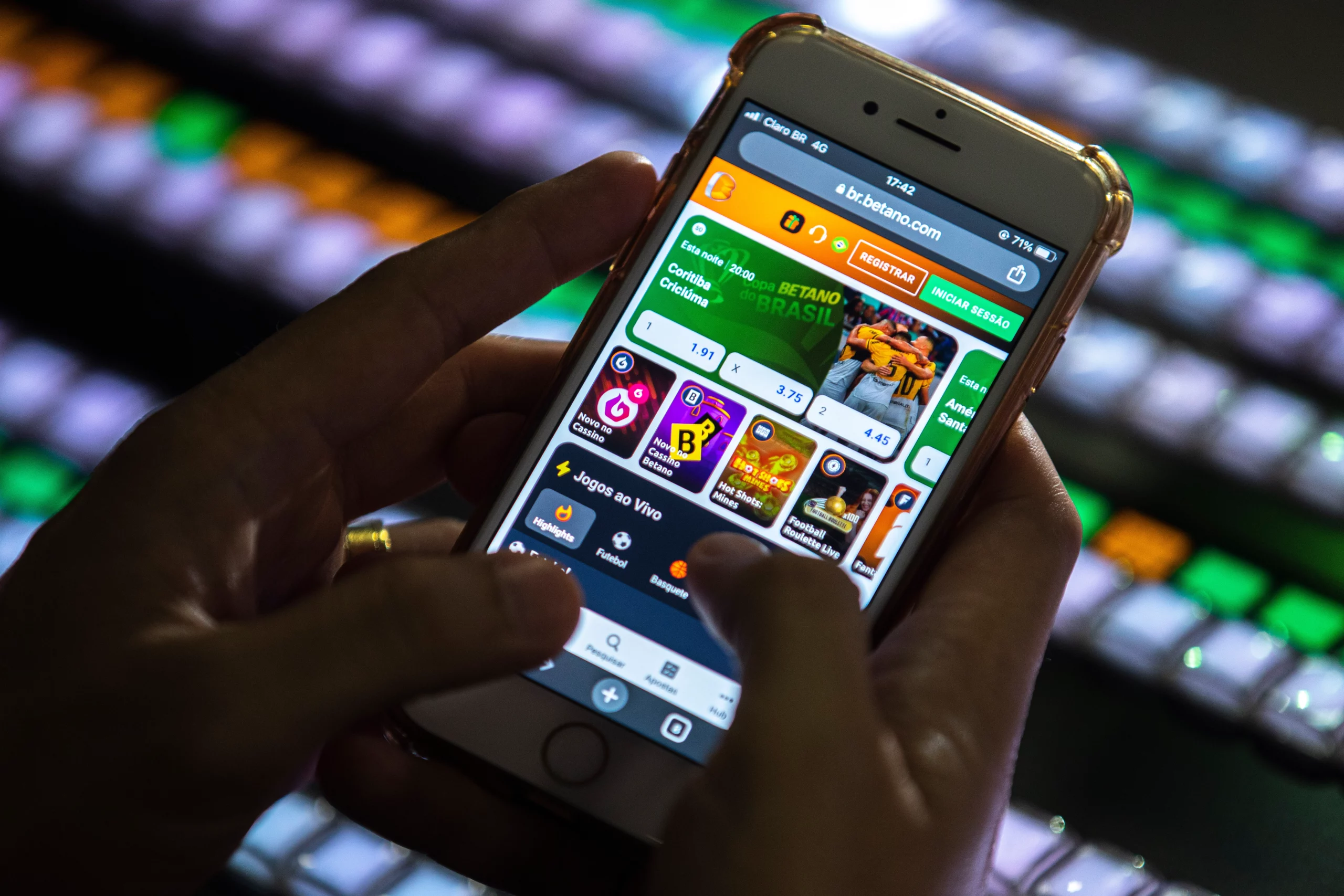
Brazil’s online betting boom has opened a debate over whether the habit is quietly draining money from shops, with retailers blaming weaker clothing and food sales on bets, even as some economists say the evidence is far from settled.
What the betting boom is doing to wallets
Brazil legalised sports betting in 2018, and the market has since exploded into one of the largest in the world. The question now dividing retailers, banks and the central bank is where all that money is coming from.
The worry is that it is being pulled out of ordinary shopping. Retailers argue that money once spent on clothes, shoes, furniture and groceries is now flowing to betting apps instead.
The concern is not only sports betting but also fast online casino games, which have spread rapidly on phones. Together they form a category that competes for the same disposable income as the high street.
A study by the Brazilian Society of Retail and Consumption with a polling firm gave the argument hard numbers. It found that most online bettors said the habit had strained their finances in some way.
Of those, close to a quarter said they had stopped buying clothes, and almost a fifth said they had cut back at the supermarket. For shopkeepers, that is a direct hit to demand.
One often-cited case is a footwear and clothing retailer that filed for bankruptcy protection and pointed to betting as one reason its sales had weakened. For an industry already squeezed, it became a cautionary tale.
A measurable shift in the household budget
The same analysis put betting and other games at close to three percent of household income, up sharply from under one percent in 2018, while the budget share going to clothing, footwear, electronics and furniture fell over the same stretch.
A major bank reached a similar conclusion. Its retail analysts said betting was one of the factors behind sales coming in below what employment and wage trends would normally suggest.
The logic is simple. With unemployment low and wages rising, retail should have been stronger than it was, so something was diverting the spending power that did not show up in the tills.
Betting also skews toward lower-income households, where every reais counts. In those budgets, a sustained gambling habit competes directly with the basics, from food to school supplies.
Not everyone is convinced
The link is far from a consensus. Analysts at another large bank said in a report that they did not support the hypothesis, noting that retail sales had broadly performed in line with expectations.
Using central bank payments data, that bank estimated Brazilians moved tens of billions of reais through virtual games over a year. The sums are large, but whether they truly displace other spending is the open question.
Part of the difficulty is that betting money and ordinary income blur together in the data. Separating a bet that replaced a purchase from one funded by spare cash is genuinely hard.
There is also a timing problem. The sharpest warnings came when retail underperformed a strong jobs market, but consumption has many moving parts, and betting is only one candidate among several.
Why the debate matters beyond the shops
The stakes are wider than one quarter of weak sales. Brazil has high household debt, near record levels, and policymakers worry that betting losses make families slower to pay other bills.
Central bank officials have flagged the trend more than once, linking the rise in transfers to betting firms with pressure on family finances. That is a financial-stability concern, not just a retail one.
There is a political layer too. The government has tightened betting rules and floated higher taxes, and some officials have raised the prospect of a tougher line if the social costs keep climbing.
For investors and retailers alike, the takeaway is that a fast-growing new category of spending is now big enough to move the wider consumer economy, even if its exact effect is still being argued over.
What is not disputed is the scale of the habit. Brazil ranks among the heaviest users of betting platforms worldwide, and a category that barely registered a few years ago now sits squarely inside the national conversation about household money.
That alone guarantees the debate will run on. Until cleaner data settles it, retailers will keep blaming bets, and skeptics will keep asking for proof.
More: Brazil news in English, every day from The Rio Times.
Frequently Asked Questions
What is the betting boom said to be doing to retail?
Retailers argue it diverts money from shopping. A retail-sector study found most online bettors felt financially strained, with many cutting spending on clothes and groceries.
How big is betting in the household budget?
One analysis put betting and other games at about 2.7 percent of household income, up from under one percent in 2018, while clothing and furniture shares fell.
Do all economists agree?
No. Some bank analysts reject the link, saying retail has performed broadly as expected and that betting flows do not clearly displace other spending.
Why does it matter beyond shops?
Brazil has near-record household debt, and the central bank worries betting losses make families slower to pay bills, turning it into a financial-stability issue.
Connected Coverage
For more, see our coverage of the central bank’s alarm over betting debt, the moment Brazil’s president weighed a betting ban, and how the country became one of the world’s largest betting markets.
This article was drafted with automated assistance and reviewed before publication. How we use AI · Report an error · Editorial responsibility: Matthias Camenzind, Editor-in-Chief