Brazil Cuts Power Bills 4.51% With $1.09 Billion Hydropower Plan
Brazil · Energy & Regulation
Key Facts
—R$5.5 billion ($1.09 billion) approved. Brazil’s electricity regulator cleared rules to channel the sum into lower tariffs for customers of 22 distributors during 2026.
—Average cut up to 4.51%. The relief targets the North, Northeast, Mato Grosso and parts of Minas Gerais and Espírito Santo, where supply costs run highest.
—Funded by hydropower fees, not the budget. Dam operators prepaid a public-use river charge at a 50% discount, freeing cash that flows straight to consumers.
—Estimate fell from R$7.9 billion. Only 24 of 34 eligible generators signed on, trimming the pool from a hoped-for $1.56 billion to the current $1.09 billion.
—One utility shows the scale. Amazonas Energia’s annual reset landed at 6.58% instead of a potential 23.15%, after a R$735 million ($146 million) injection.
—Final number lands mid-year. Generators pay in July; the clearing house reports the total by month-end, and the regulator then sets each utility’s preliminary discount.
After two decades in which Brazilian power bills outran inflation, the country has found a rare lever that pushes the other way. The relief is modest in percentage terms, but it arrives through a mechanism worth understanding: a one-off transfer from hydropower concessions to the consumers who live in Brazil’s most expensive-to-serve regions, engineered without a single real of new public spending.
What does the Brazil electricity bill cut actually approve?
The Rio Times, the Latin American financial news outlet, reports that Brazil’s electricity regulator approved on Tuesday the rules for steering up to R$5.5 billion ($1.09 billion) into a lower Brazil electricity bill for customers served by 22 distributors. The agency estimates an average tariff cut of as much as 4.51% across 2026, though the final figure depends on how much money is collected and on each utility’s own annual reset.
The benefit is concentrated in the North, the Northeast, Mato Grosso and slices of Minas Gerais and Espírito Santo. Those are precisely the areas where serving customers costs the most, because many depend on isolated grids and diesel-fired plants rather than the cheap hydropower that supplies the rest of the country.
Where does the money come from?
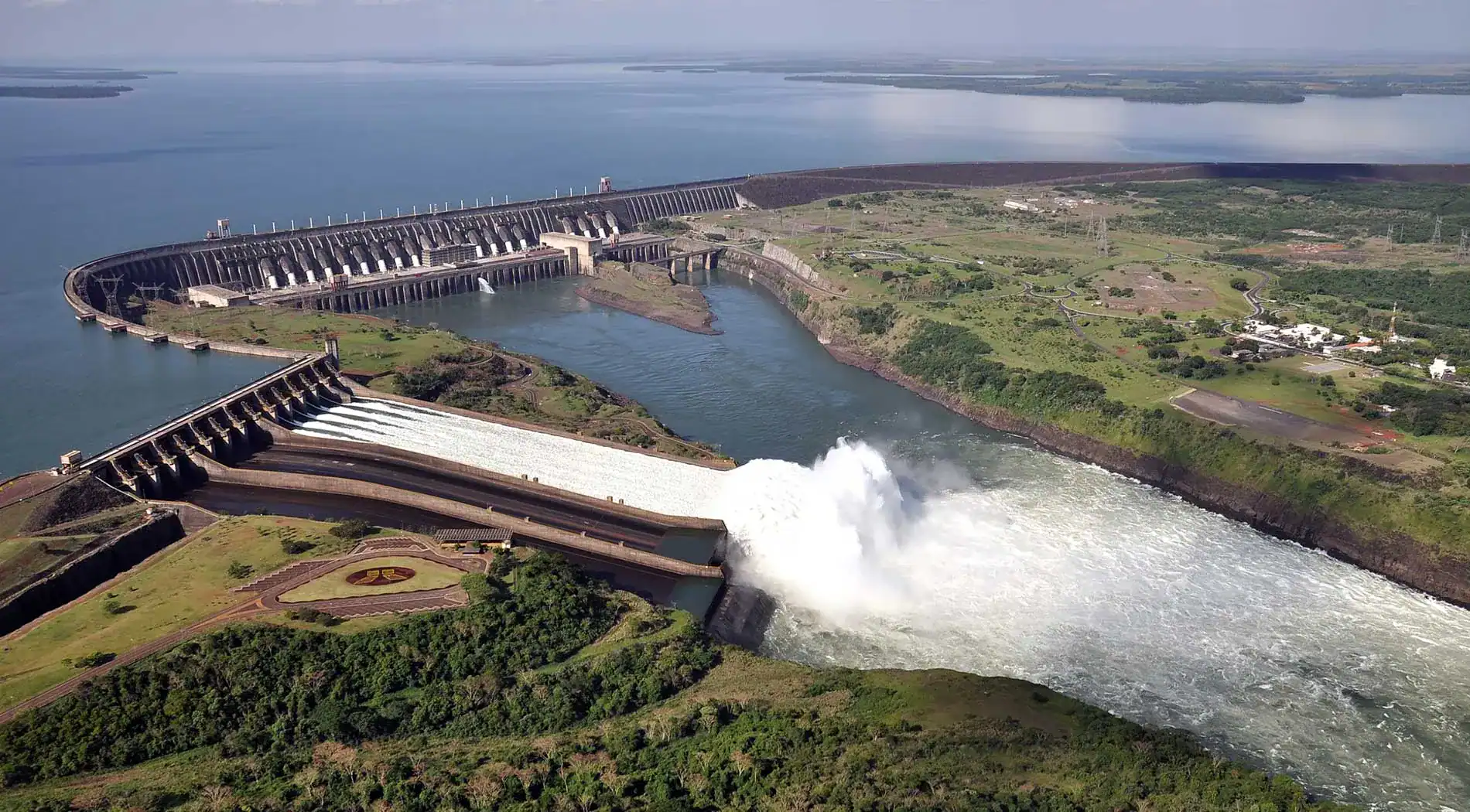
The funding is not a subsidy and not a budget line. It comes from a charge that hydropower generators pay the federal government for the right to use Brazil’s rivers, known in English as the public-use levy. A law passed last year let dam operators settle future installments of that charge early, in exchange for a 50% discount.
The cash they save is redirected into tariff relief for the poorer regions covered by the Amazon and Northeast development authorities. The charge had previously been spread out and folded into a sectoral fund that supports energy-policy programs. By pulling it forward and discounting it, the government converted a slow-moving accounting item into immediate help on the bill of so-called captive customers, who buy power directly from their distributor rather than on the open market.
Why did the figure shrink to R$5.5 billion?
The early hope was to mobilize roughly R$7.9 billion ($1.56 billion), which assumed broad participation. In the end, 24 of the 34 eligible generators signed the contract addendum and agreed to prepay, leaving the projection at R$5.5 billion.
Because participation set the size of the pool, the regulator is modeling three outcomes: R$4.5 billion would deliver a 5.81% average cut, R$5 billion a 5.16% cut, and R$5.5 billion a 4.51% cut. The more money raised, the smaller the headline percentage, because a larger pot is spread across the same captive base while the per-customer relief rises. The exact discount for each of the 22 distributors will be folded into their individual resets through the year.
How big is the relief in practice?
The single sharpest illustration is Amazonas Energia, whose reset was approved at the same meeting. With a R$735 million ($146 million) injection from the prepayment pool, the distributor’s average increase came in at 6.58%. Without that money, the regulator says the reset would have reached 23.15%, a gap of more than 16 percentage points avoided at one utility alone.
The company is controlled by J&F Investimentos, the holding group of the Batista family. Two other distributors, Neoenergia in Bahia and Equatorial in Amapá, had already drawn on part of the funds to soften their own adjustments earlier in the cycle. The pattern shows how the mechanism works less as a flat rebate and more as a brake on increases that would otherwise have been brutal in the most exposed markets.
What should investors and analysts watch next?
- The July collection: generators pay the levy in July and the clearing house reports the verified total by month-end, fixing the real size of the relief pool.
- Per-utility discounts: the regulator will set a preliminary percentage for each of the 22 distributors once the total is confirmed, with effects spread across 2026 resets.
- Distributor margins: watch whether the relief alters the revenue-cap component that compensates utilities for costs, since the cash flows to consumers, not to operator returns.
- Inflation read-through: regulated energy prices feed Brazil’s headline inflation, so even a sub-5% tariff cut in several states nudges the index the central bank tracks.
- Repeatability: the prepayment is a one-off; analysts will ask whether Brasília can engineer similar non-budget relief again, or whether tariffs resume their long climb in 2027.
More: Brazil news in English, every day from The Rio Times.
Who exactly benefits from the Brazil electricity bill cut?
Captive consumers served by 22 distributors in the North, Northeast, Mato Grosso and parts of Minas Gerais and Espírito Santo. Captive customers are those who buy power directly from their distributor and cannot shop on the open energy market, which covers most households and small businesses in those regions.
When will customers see lower bills?
The relief is folded into each distributor’s regular annual reset across 2026 rather than appearing as a one-time line item. Generators pay the levy in July, the clearing house confirms the total by the end of that month, and the regulator then sets a preliminary discount per utility.
Does this cost taxpayers anything?
No. The money comes from hydropower concessions prepaying a river-use charge they already owed, at a discount. It is a transfer within the electricity sector, not new federal spending, which is part of why it cleared without fiscal controversy.
Why is the discount smaller if more money is raised?
The percentage is an average across the captive base. A larger pool lifts the absolute relief per customer, but the regulator’s modeling shows the headline average tariff cut moving inversely as the pot grows, from 5.81% at R$4.5 billion down to 4.51% at R$5.5 billion.
How does this fit Brazil’s longer tariff story?
Brazilian power bills have risen far faster than inflation over 20 years, driven by layered sectoral charges. This plan is a deliberate counterweight aimed at the regions that carry the heaviest cost burden, though it is a single intervention rather than a structural reform of how tariffs are built.
Connected Coverage
This intervention runs against a long trend we documented in Brazil’s electricity bills rising 401% over two decades, far above general inflation. One of the distributors named here features in our analysis of Neoenergia’s Q1 2026 profit surge as Iberdrola moved toward full control. For the wider picture of how hydropower anchors the grid that funds this relief, see our guide to Brazil’s renewable energy mix in 2026.
Reported by Sofia Gabriela Martinez for The Rio Times — Latin American financial news. Filed May 20, 2026 — 09:00 BRT.
This article was produced by The Rio Times’ automated newsroom system. How we use AI · Report an error · Editorial responsibility: Matthias Camenzind, Editor-in-Chief