Braskem Wins a 60-Day Court Shield in Its $9.4 Billion Debt Fight
Markets
Key Facts
Braskem has just bought itself two months of legal calm, and it will need every day of it to settle a debt fight that is turning combative.
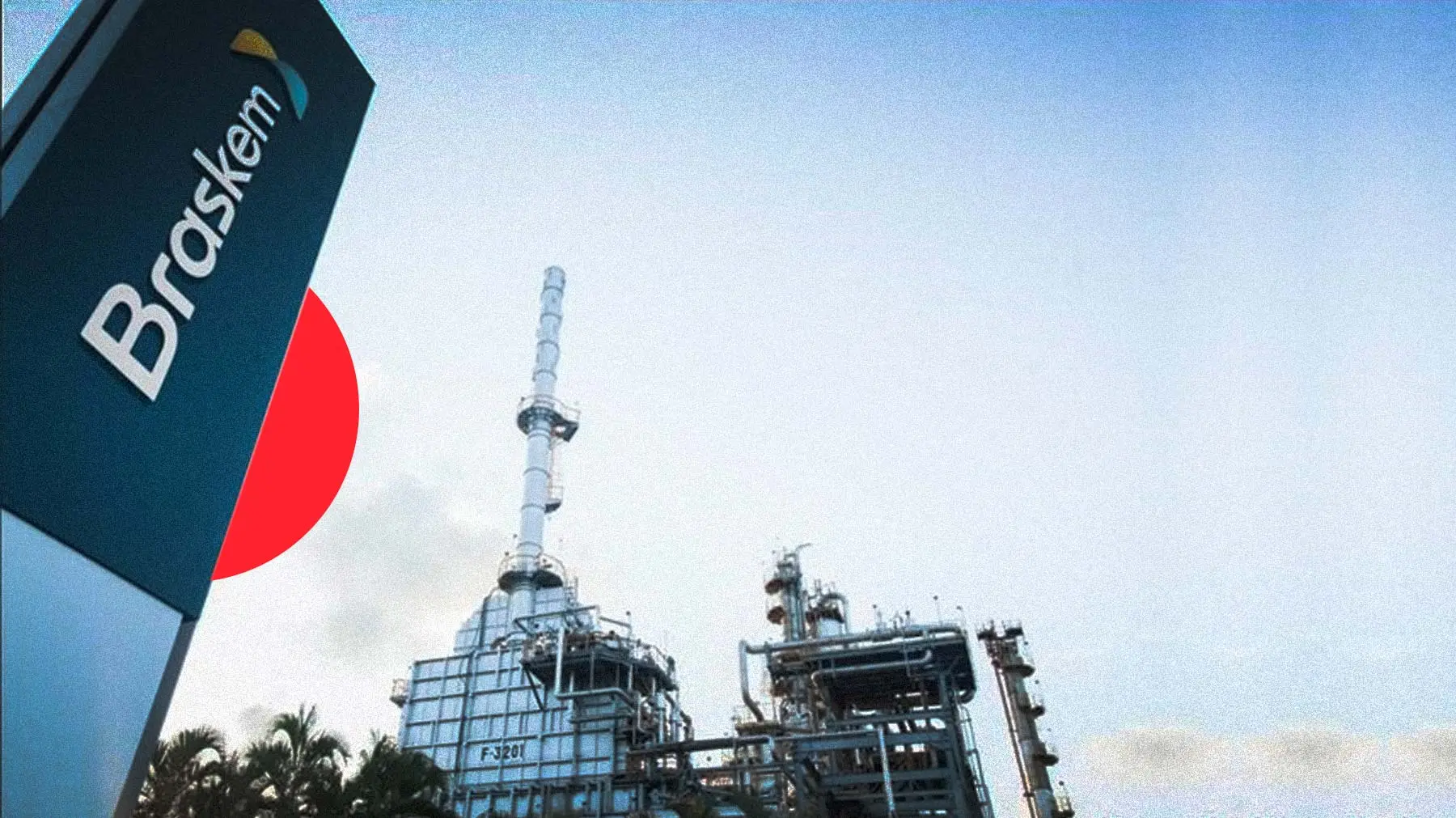
On June 26, a specialist bankruptcy court in São Paulo handed the petrochemical group a court order that does one simple thing. It tells the company’s lenders to hold their fire.
For the next sixty days, creditors invited into a court-backed mediation cannot seize assets or push lawsuits to force repayment. The order is narrow on purpose, touching only the company’s banks and bondholders while leaving suppliers, staff and customers fully paid and unaffected.
The breathing room matters because the calendar is unforgiving. The company has signalled it will skip about one hundred and forty-one million dollars of bond interest due in July, and a further thirty-six million in August, while it tries to rewrite the terms of its borrowing.
What the Braskem court order actually does
In its own filing to regulators, Braskem said the measures apply only to financial creditors and are meant to preserve a stable environment for talks to continue. In plain terms, it is a pause button, not a verdict.
Under Brazilian law, a heavily indebted firm can try to fix its balance sheet out of court if enough lenders agree, binding any holdouts to the deal. Braskem needs the backing of at least a third of its creditors to file such a plan.
That threshold is the whole game. The court shield simply stops the clock so the company can chase those signatures without a creditor breaking ranks and triggering a default that drags everyone into a messier courtroom fight.
The plan on the table is gentle by restructuring standards. It asks lenders to stretch out repayment dates, lower the interest paid along the way and grant long grace periods, but it stops short of forcing losses or swapping debt for shares.
Why the Braskem fight is getting harder
Two things have raised the stakes. The first is who now sits across the table: distressed-debt specialists Elliott and Strategic Value Partners have quietly bought slices of the company’s borrowings, the kind of investors who rarely buy in just to wave a rescue through.
The second is the missing safety net. Creditors long assumed that Petrobras, the state oil company that co-owns Braskem, would never let it fail, but people close to the talks say Petrobras will not inject fresh capital or pledge assets this time.
Strip away that implicit state backstop and the recovery rests on lenders’ willingness to wait. A sixty-day pause is enough to keep talking, yet far too short to count as a win on its own.
Live Company IntelligenceBraskem S.A — the full investor dossier
Valuation & profitability
Price & risk
$3.5252-wk high
$13.78
Revenue trend · 6y
Ownership
Dividend
Why a foreign reader should care
Braskem is no minor name. It is one of the largest corporate bond issuers in Latin American credit markets and a key supplier of the plastics that feed packaging, construction and consumer goods across the region.
How this is resolved will set a template. If a quiet, lender-friendly deal holds even after activist funds pile in, it tells investors that Brazil’s out-of-court process can handle a giant without the state riding to the rescue.
If it turns into a brawl, the lesson is the opposite, and the cost of borrowing for other stressed Brazilian companies is likely to rise with it. Either way, the next two months are the test that markets will watch.
More: Brazil news in English, every day from The Rio Times.
Frequently Asked Questions
What did the court grant Braskem?
A São Paulo bankruptcy court granted a precautionary order on June 26, 2026 that pauses enforcement actions and seizures by financial creditors for sixty days while the company runs a court-backed mediation. It is a temporary shield to keep negotiations stable, not a final restructuring plan, and it does not affect suppliers, employees or customers.
Why is Braskem in trouble?
It carries gross debt of around nine and a half billion dollars after years of weak global plastics prices, high Brazilian interest rates and the heavy clean-up cost of a ground-collapse disaster in the city of Maceió. New owners IG4 Capital and Petrobras are now trying to renegotiate that debt rather than rescue the company with fresh cash.
What happens when the 60 days end?
Braskem wants enough creditors signed up to file an out-of-court reorganization that binds holdouts, which under Brazilian law needs the support of at least a third of its lenders. If talks fail, the company could be pushed toward a formal, court-run process, a slower and more uncertain route for everyone involved.
Connected Coverage
› Elliott Buys Into Braskem’s Debt, Raising the Stakes in Its Rescue
› Braskem Asks Creditors for Time as the Chemical Giant Fights On
Related: Braskem Hits Near-Default Grade Even as Its Shares Rally
This article was produced by The Rio Times’ automated newsroom system. How we use AI · Report an error · Editorial responsibility: Matthias Camenzind, Editor-in-Chief
LatAm Markets: Live Signals → — real-time movers, turnover leaders and FX across Latin America.