Bolivian Wildlife Sanctuary in Desperate Search for Aerial Firefighting Help
RIO DE JANEIRO, BRAZIL – Just 186 miles (300 km) from the Brazilian state of Mato Grosso, the province of Guarayos in Bolivia’s Santa Cruz department is at the center of some 5,000 wildfires raging in the country. In valleys and hills behind a mountain is the Ambue Ari Wildlife Sanctuary of Comunidad Inti Wara Yassi (CIWY) a Bolivian non-profit which is sheltering some 500 rescued animals of 39 different species, many endangered, all of them now under threat of a rapidly expanding wildfire that threatens to extinguish lives of across species.

The fires have overwhelmed all current efforts and aerial support is desperately needed, said Andrea Benavente, communications director of Comunidad Inti Wara Yassi. She is coordinating firefighting efforts and pleading for additional support.
The key to resillience and ecologic as well as biologic success in the tropics is the biodiversity, said Bolivian Conservationalist Hugo Santa Cruz. “The interdependece and the ecologic roles of each species — from an ant to a jaguar — have an essential ecological role and a very important function,” said Santa Cruz, lamenting the effects of the fires.

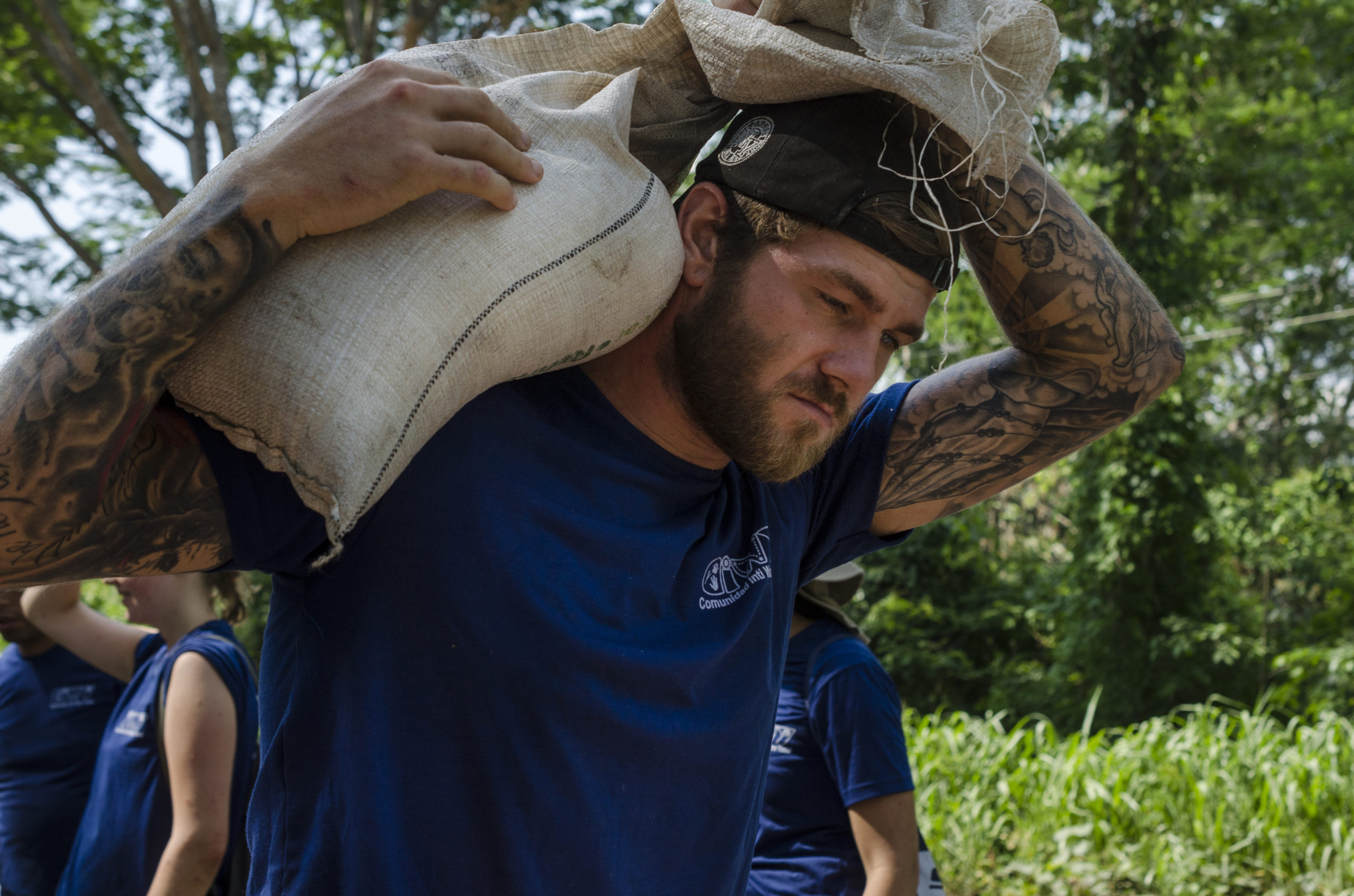
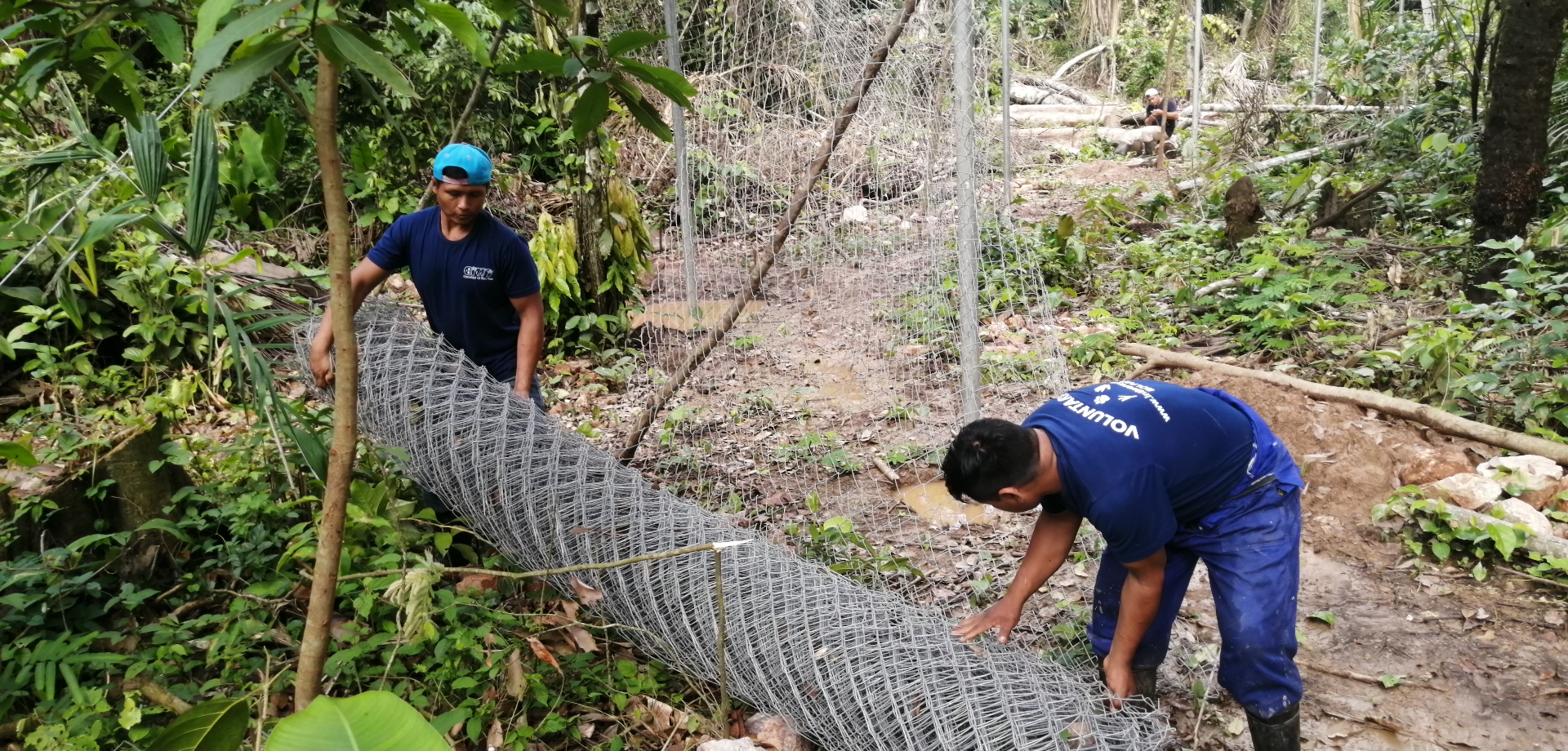
The 900-hectare sanctuary is the epicenter of a wildlife emergency as many of its rescued animals are not able to escape the fires on their own and firefighting has been up to 14 volunteers with some support from the Guarayos Municipal Fire Brigade and the Bolivian Forestry Protection Department.
The Bolivian Defense Ministry sent in a ground contingent of 30 men but Benavente said they were quickly overwhelmed. and that air support is needed to put out the fires.
“Really, we are in profound despair at this moment, and that is why we again appeal to the authorities to send us air support. There is not another way to get control of the fires that at this moment are already within the Ambue Ari Sanctuary,” said Benavente.
It is indeed hard for land-based firefighters to know where the actual fire is to mount an effective response. Drone and aerial support are needed in order to map the fire and direct resources and to deliver sufficient quantities of water to put out the fires.
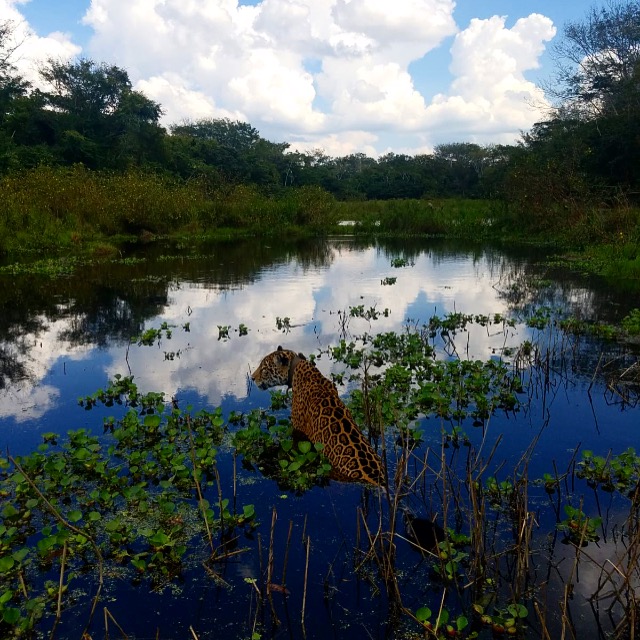
The area is a natural corridor for jaguars and other endangered animals, and at least one jaguar was seen crossing roads in a mad exodus of scorched and frightened wildlife. Voracious flames and choking smoke kill animals outright and also chase them out of their habitat, making them susceptible to opportunistic predators as they flee.
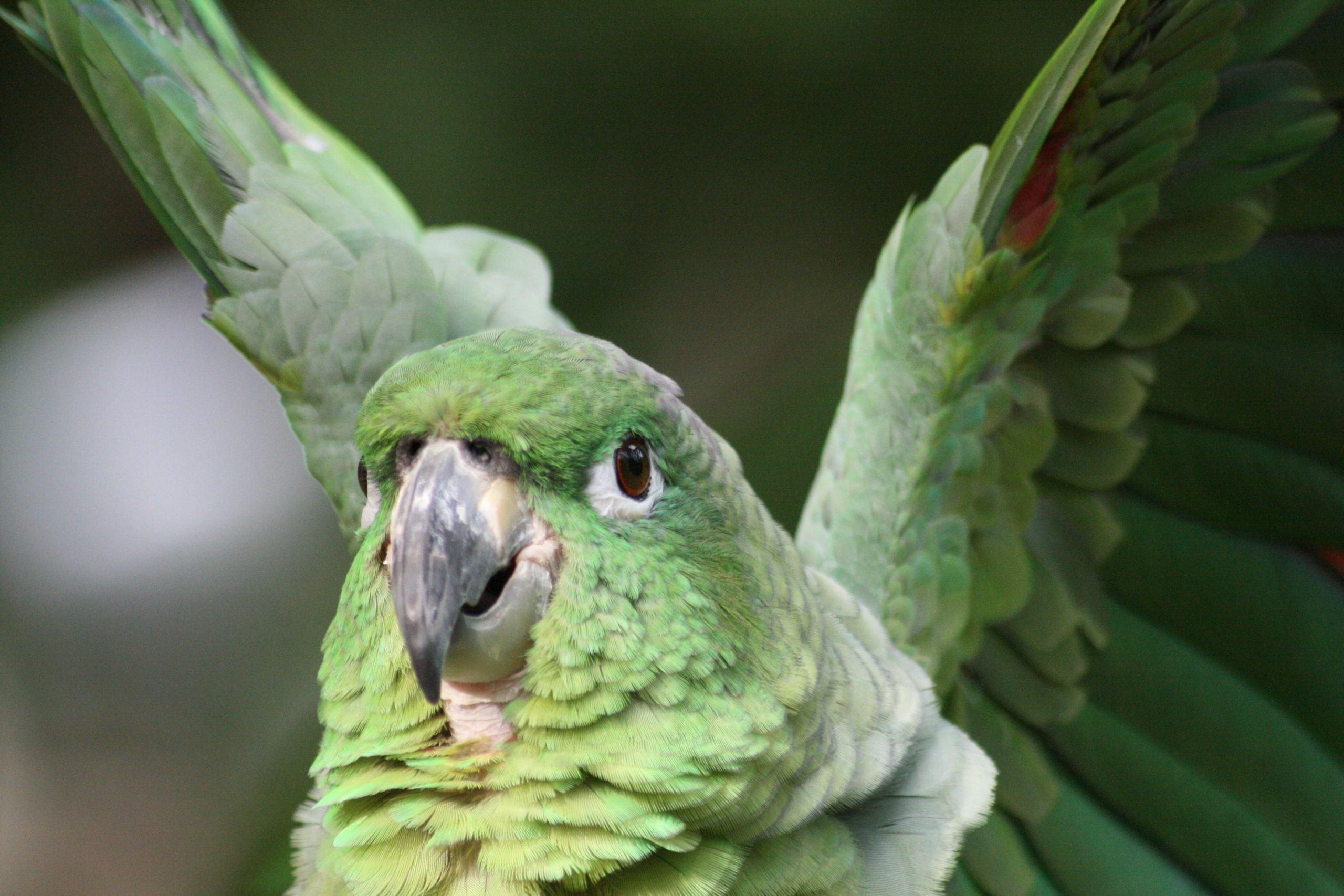
While birds can often fly away from wildfires and are better equipped than ground mammals, they are sometimes overwhelmed by the rapid-moving fires, and cannot leave the burning trees because of their nests, explained Benavente. “We are losing a lot of wildlife… we are talking about lives that are raked over second by second.”
Conservationist Nicholas McPhee, is angered by this. The former Australian Army digger whose eco-tourism company, Nicks Bolivian Adventures, promotes the area’s biodiversity and looks for solutions to wildlife conflicts said, “It’s a feeling of hopelessness, shame, and anger. Every year fires are increasing yet political parties keep pushing for more land clearing and extractive policies that are driving these fires and destroying the incredible flora and fauna of Bolivia. Shame that these animals that were rescued from wildlife trafficking are not even safe in wildlife refuges.”
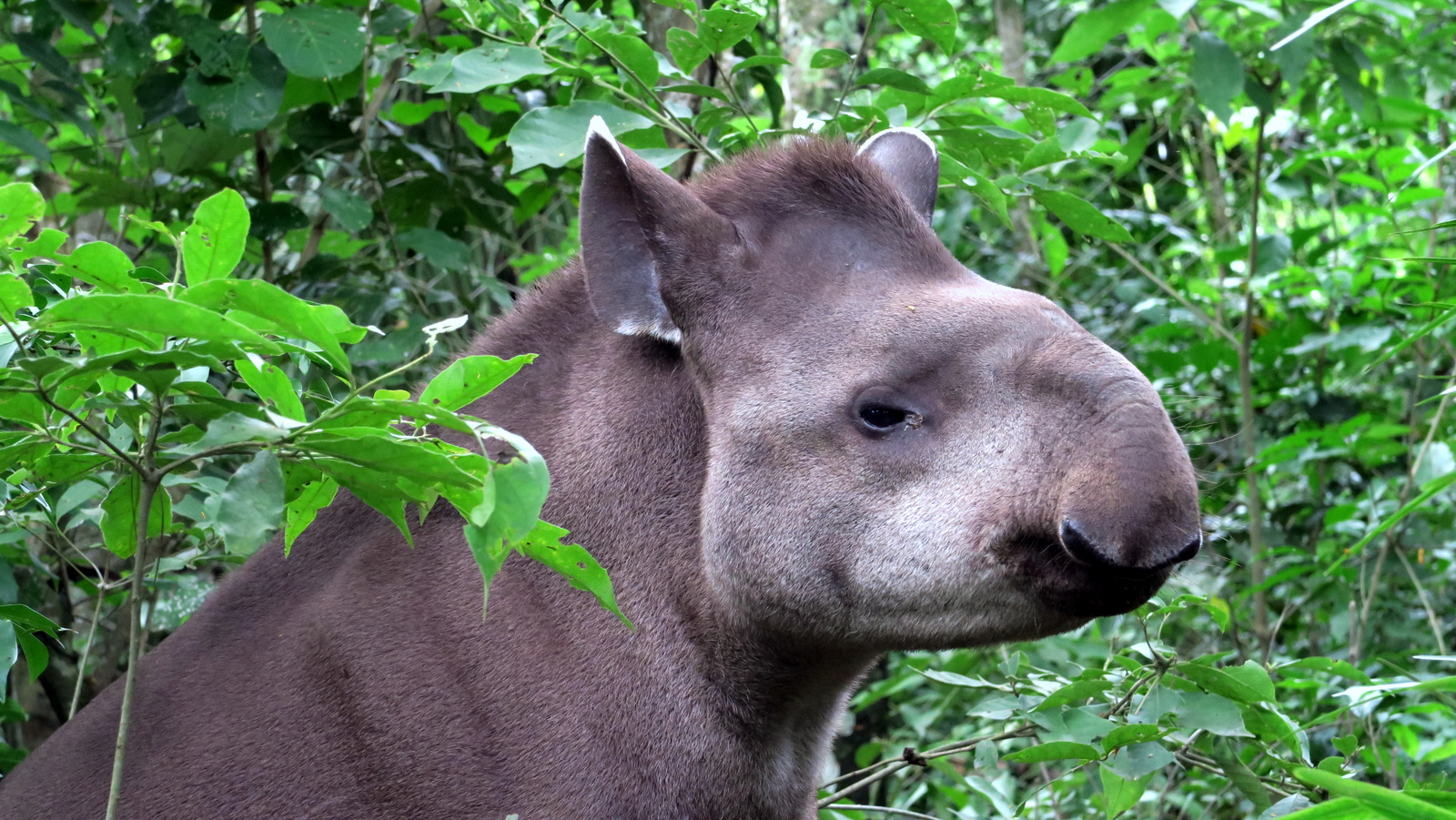
The region affected by the fires is an area that hosts an incredible amount of biodiversity including endangered species like the Harpy Eagle and many threatened species like Lowland Tapirs, Jaguars, Spider Monkeys, and more, said McPhee.
“Jaguars, which are rapidly declining, are often forced to look for livestock after fires and are frequently killed. Without aguars other species like peccaries can reproduce to unsustainable populations and cause a lot of damage to crops and affect forest regrowth too,” explained McPhee.
“Tapirs, for example, are extremely vulnerable to local extinctions due to slow reproduction and overhunting. With fires and limited forests, they become easier for locals to hunt; as they are important seed-dispersers, the forest regrowth is greatly affected,” said McPhee.
“We can’t continue to be indifferent to this reality,” concurs Benavente. “We need to press the authorities so they can take not just mitigation but also prevention measures and strengthening of the sanctions — it is forbidden at this time to burn at the national level. This is what happens with the lack of conscience of people who continue setting fires.”
For more than 28 years, her organization has been rescuing wildlife from illegal trafficking, circuses, and mistreatment with an overall mission to conserve biodiversity in the area.
The threatened sanctuary is located in a remote and economically poor region of Bolivia where hunting and deforestation for agriculture have been a way of life for centuries. CIWY also runs a parallel effort to employ locals and to provide education and environmental awareness.
“The truth is we feel totally overrun, frustrated because we cannot help all the animals that need it,” said Benavente, noting again that her 14 volunteers are working round-the-clock turns to fight the fires. “Yesterday at dawn, we had to evacuate an ocelot and a puma because their enclosures were overrun. Imagine those animals that cannot escape because they are in enclosures.” Because many of the animals in the sanctuaries are victims of illegal traffic they are not in a condition to escape the fires on their own.
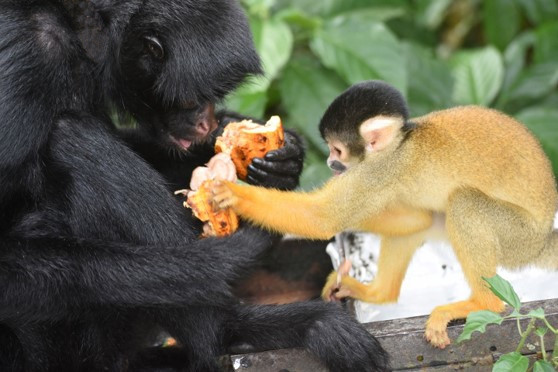
“The Spider Monkey is an endangered species. The Jaguar is classified as threatened,” said McPhee. “They are nearly all at risk of local extinctions — the jaguar, the spider monkey, the lowland tapir, and the white-lipped peccary. These are the species that generally are most affected by hunting and landscape alteration.”
CIWY recognizes poaching and habitat destruction as the two biggest threats to the area’s biodiversity. “A larger percentage is in grave danger of becoming extinct,” said the non-profit in making the case that its work is extremely vital in keeping many species from vanishing.
As the wildfires rage sending billows of smoke into the sky, clouding the skies far into the more populated areas, hanging a red-blood-sun over the city of Santa Cruz de la Sierra, Bolivia’s largest city and economic center, images of blackened carcasses and charred bones are just a warning of what could happen to the 39 different species of animals sheltered at Ambue Ari.
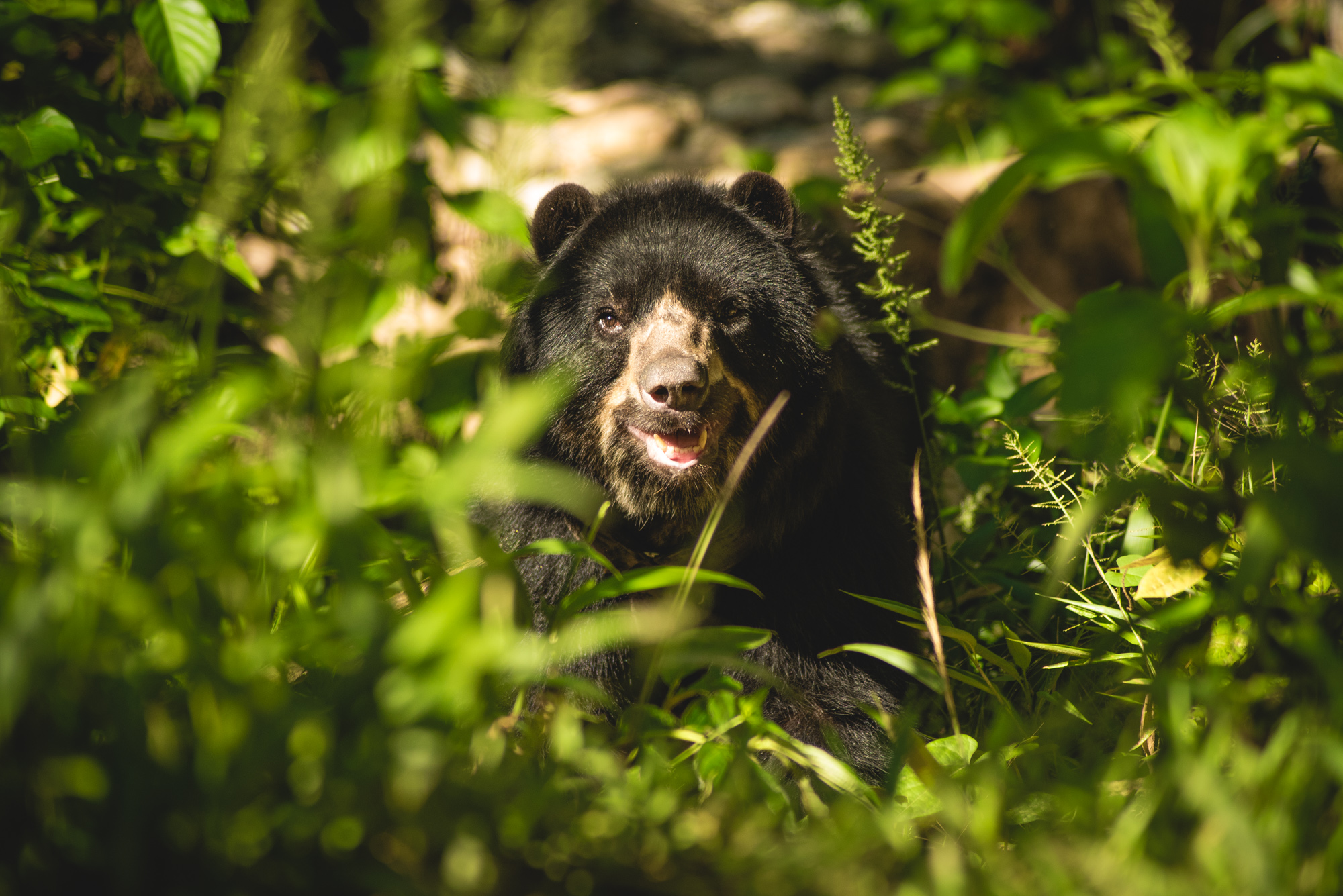
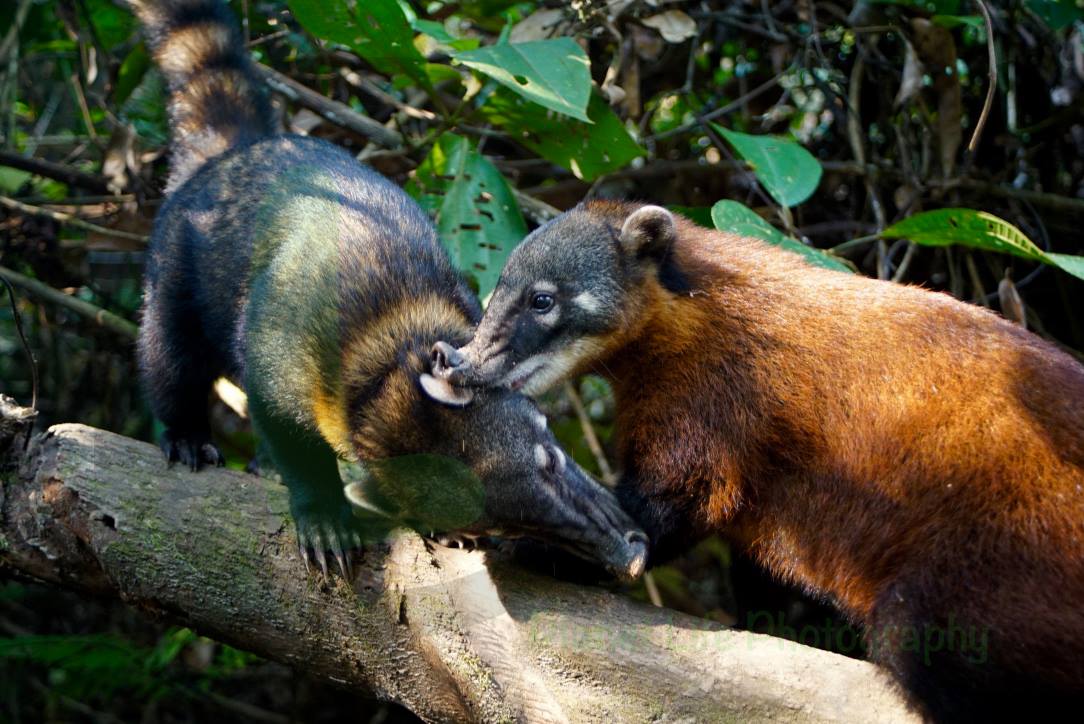
Protected animals at the sanctuaries include jaguars, pumas, ocelots, margays, Geoffroy’s cats, crab-eating foxes, South American raccoons, coatis, tayras, and spectacled bears.Among primates, there are red howler monkeys, night monkeys, spider monkeys, white-fronted capuchins, brown-tufted capuchins, and squirrel monkeys.
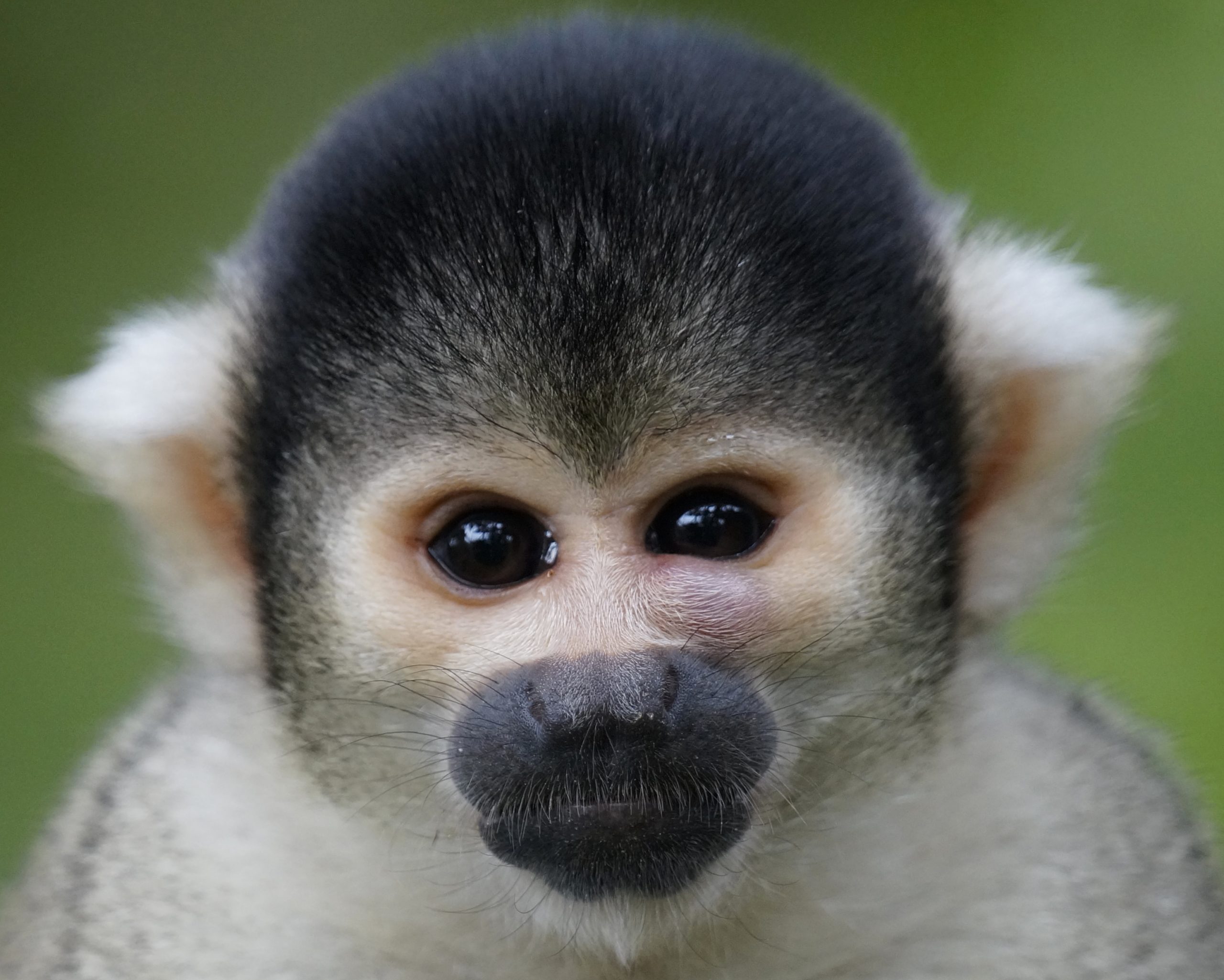
There are tapirs, collared peccary, lowland paca, six-banded-armadillos, nine-banded armadillos, giant anteaters, common opossums, two-toed sloths, southern tamanduas, white-eared opossums.
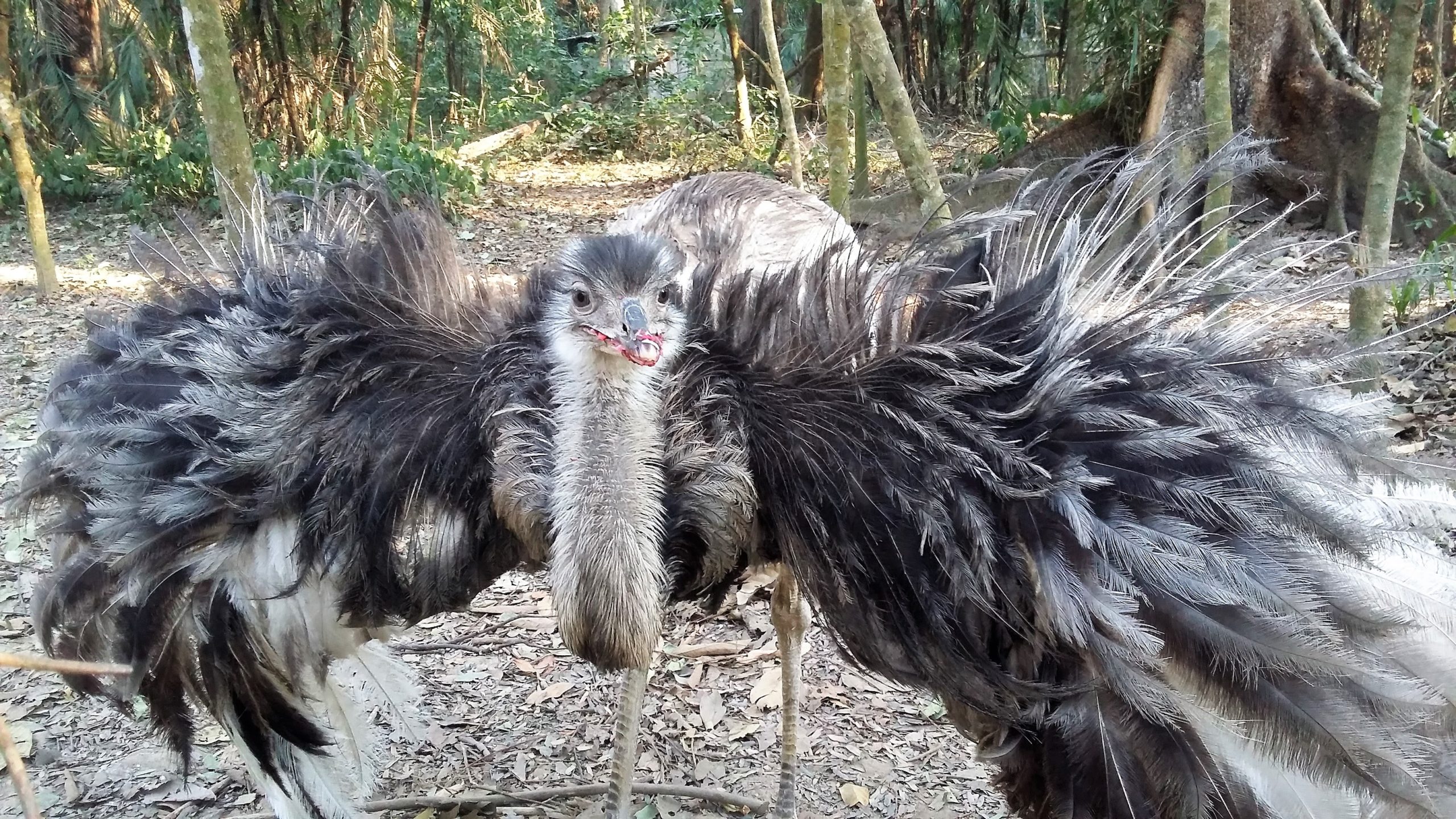
Birds in the sanctuary include blue-yellow macaws, red macaws, red-and-green macaws, chestnut-fronted macaws, turquoise-fronted amazons, orange-winged amazons, yellow-crowned amazons, southern mealy amazons, mitred parakeets, blue-headed parrots, blue-crowned parakeets, green-cheeked parakeets, nandus, white-throated toucans, dusky-legged guans, speckled chachalacas. There are yellow-footed tortoises, red-footed tortoise, and the Chaco tortoise, a vulnerable species threatened by habitat destruction and pet trade.
The firefighters on the ground cannot cope. The help that arrived a few days ago have declared themselves overwhelmed and unable to help us, said Benavente. “We need aerial support.”
Contacted for an update on the status of firefighting aircraft to the area, Bolivian Defense Minister Lopez did not respond to our request for an interview. Frantically switching roles and desperately seeking help wherever she can find it, Benavente reflected, “We are just 15 people defending 900 hectares of land that holds very important biodiversity and that is why we cannot give up.”
Source:
More: Latin America news in English, every day from The Rio Times.
Editorial responsibility: Matthias Camenzind, Editor-in-Chief · Editorial standards · Report an error