BHP to Sell All Its Chile Power Lines to Focus on Copper
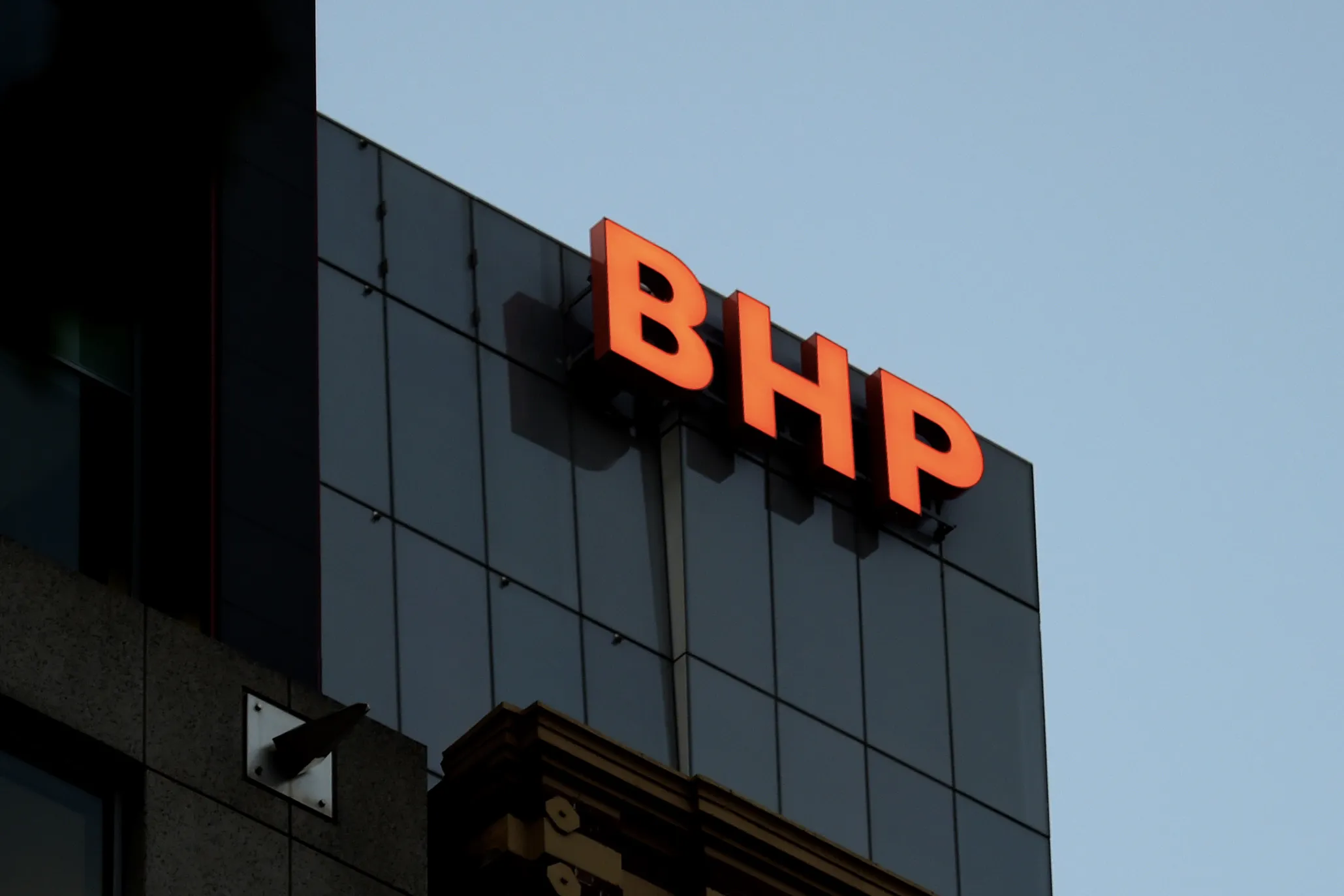
Companies · Energy
—The deal. BHP, the world’s biggest mining company, is preparing to sell all of its electricity transmission lines in Chile.
—Price tag. Market sources put the value of the assets at around $1.5bn, with a close possible this year.
—What’s for sale. The roughly 1,000 km of lines power BHP’s flagship northern copper sites: Escondida, Spence and the temporarily idled Cerro Colorado.
—The playbook. BHP raised about $2bn doing the same thing in Australia, selling grid assets to free cash for mining.
—Who might buy. Specialist transmission firms and infrastructure investors are seen as the likely bidders, drawn by guaranteed demand.
—The logic. The sale is a pure focus play: keep the copper, shed the wires, in a market where copper supply is tight.
The plan to sell its Chile power lines is the clearest sign yet that the world’s largest miner wants to own copper and almost nothing else, and it hands institutional investors a rare chance to buy infrastructure with built-in demand.
Why BHP is selling its Chile power lines
BHP is an Australian company and the largest mining group in the world by market value. According to Chilean business daily Diario Financiero, market sources say the decision to sell is taken and the process is now moving on both form and substance.
The assets in question are transmission lines, the high-voltage cables that carry electricity over long distances. They feed power to BHP’s three big copper operations in Chile’s arid north, where mines sit far from where most electricity is generated.
The reasoning is what the industry calls a focus on the core. A miner makes its money digging up and selling metal, not running a private electricity network, so owning the wires ties up capital that could be working harder inside the mines themselves.
How much the assets are worth
People familiar with the operation told the newspaper the whole package could be worth around one and a half billion dollars. In the best case the transaction could close before the end of this year.
BHP has run this play before. In Australia it pocketed roughly two billion dollars selling similar grid assets, a precedent that gives both buyers and sellers a reference point for what these networks fetch.
The company has built up around one thousand kilometres of line across its three sites. Two of them, Escondida and Spence, are working mines, while the third, Cerro Colorado, is in a temporary shutdown.
Who would want to buy them
Industry experts told Diario Financiero that specialist transmission companies would be first in line. They added that almost anyone in the power world could be interested, because the buyer is acquiring an asset with demand for electricity already locked in.
That guaranteed demand is the prize. A mine cannot run without power, so whoever owns the lines that supply Escondida and Spence collects a steady, predictable income for as long as the copper keeps flowing.
Institutional investors such as pension and infrastructure funds are also being mentioned as possible bidders. These buyers like long, stable cash flows, which is exactly what a mine-feeding grid provides.
Why the timing makes sense
The sale lands in the middle of a global push for copper. The metal is central to electric cars, power grids and data centres, and analysts widely expect a supply shortfall over the next decade as demand outruns new mine capacity.
That backdrop makes the focus on copper look shrewd rather than defensive. BHP has separately filed for a multibillion-dollar expansion at Escondida, so freeing up cash by selling the grid fits a wider plan to pour money into the metal it cares about most.
For Chile, the change of owner is mostly behind the scenes. The lines keep carrying the same power to the same mines, but the country gains a fresh test of how much global investors will pay for a slice of its mining-linked infrastructure.
A wider pattern of slimming down
The move is part of a years-long reshaping at BHP. The group has been shedding businesses it sees as non-core, from coal mines to oil interests, steering itself toward metals tied to the energy transition.
Copper sits at the centre of that strategy. Demand is forecast to climb as the world electrifies, and analysts have flagged the risk of a large global shortfall within the next ten years unless new supply arrives.
Chile is where much of that supply has to come from. The country is the single biggest source of mined copper on the planet, so a major sharpening its focus there is a statement about where it expects the next decade of profit to be made.
Selling the grid does carry a trade-off. BHP gives up direct control over the power feeding its mines, and will instead pay a new owner for transmission, a cost it judges worth bearing to free capital for digging more copper.
More: Chile news in English, every day from The Rio Times.
Frequently Asked Questions
What exactly are the Chile power lines BHP is selling?
They are around one thousand kilometres of high-voltage transmission cable that carry electricity to BHP’s copper operations in northern Chile. The mines served are Escondida, Spence and the idled Cerro Colorado.
How much is the deal worth?
Market sources value the assets at around one and a half billion dollars and say a sale could close this year. BHP raised roughly two billion dollars selling comparable grid assets in Australia.
Why does this matter to a foreign investor?
It is a clean read on two trends at once: a mining major narrowing its focus to copper, and infrastructure assets with guaranteed demand coming to market. Both are watched closely by funds positioning for the copper supply squeeze.
Connected Coverage
Freeport Files $7.5B Chile Copper Mine Expansion
Chile Copper Output Falls to Nine-Year Low as Ore Grades Decline
This article was produced by The Rio Times’ automated newsroom system. How we use AI · Report an error · Editorial responsibility: Matthias Camenzind, Editor-in-Chief
In depth
Copper in Latin America
- What Is Codelco? Chile’s State Copper Giant, Its Debt and the El Teniente Crisis
- Peru Copper Mining Explained: Output, Big Mines, Exports and Risks in 2026
- Peru Natural Resources Explained 2026
- Who Runs Chile’s Economy, the Key Players in 2026