Argentina Is Still Waiting on US$4.4 Billion of Placed Debt
ARGENTINA · CENTRAL BANK
Key Facts
- —The figure US$4.4 billion in debt placed abroad has not yet been liquidated in the local foreign-exchange market.
- —Who said it Vladimir Werning, vice-president of the Banco Central de la República Argentina.
- —Where The 47th annual convention of the Argentine finance executives institute, at Iguazú, on 13 September 2026.
- —The total US$20.2 billion placed, of which US$15.8 billion has already been liquidated.
- —The correction This is companies and provinces, not corporates alone.
- —Why it matters Those dollars arrive in the local market and help the central bank hold the exchange rate.
Four point four billion dollars that have been raised but not yet brought home is a pipeline, not a promise. The central bank is counting on it anyway.
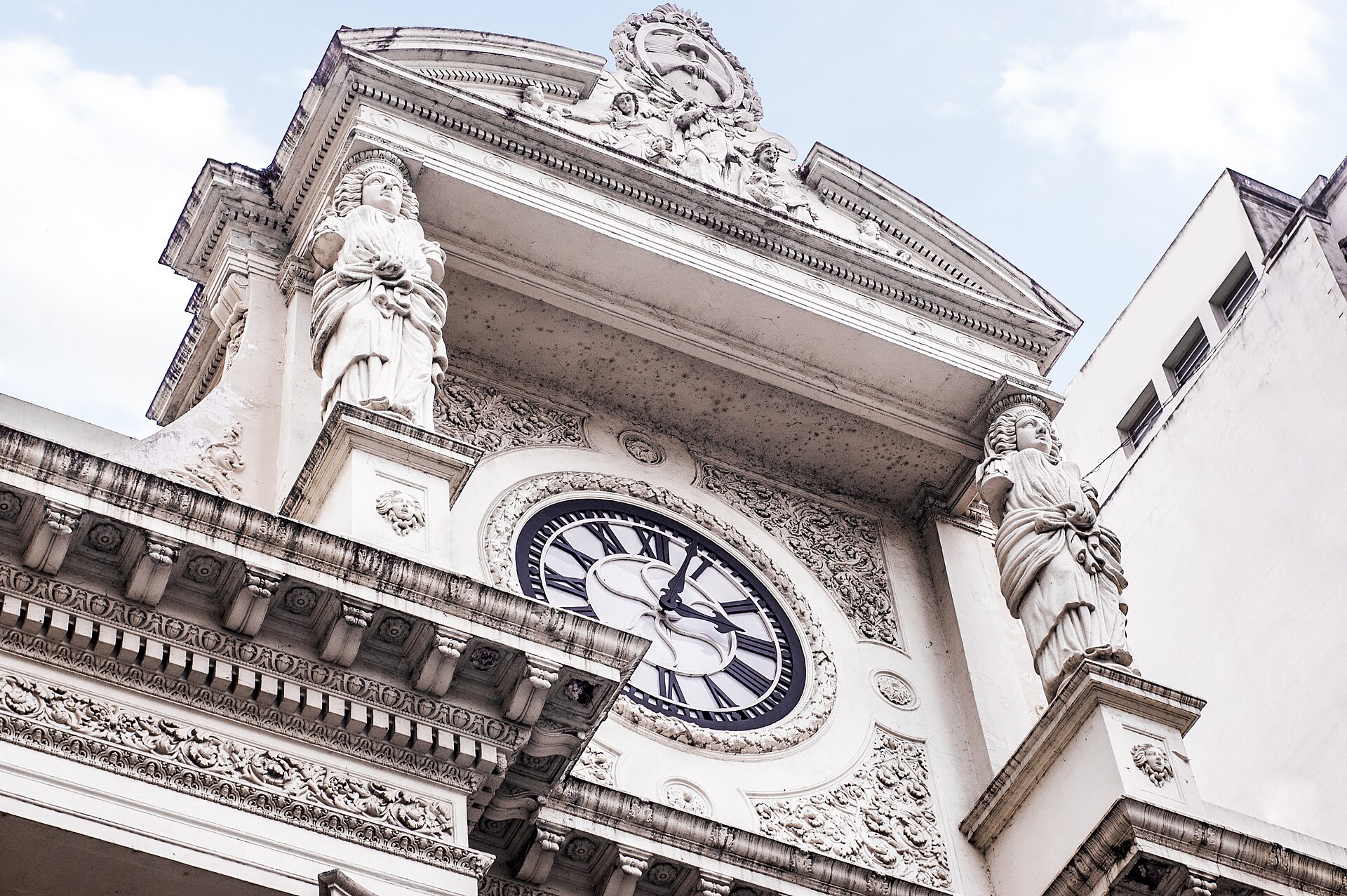
Argentina’s central bank estimates that US$4.4 billion of debt already placed abroad by companies and provincial governments has yet to be liquidated in the local foreign-exchange market, a flow it expects to help contain the dollar.
The Numbers
Vladimir Werning, the central bank’s vice-president, gave the figures at the annual convention of the Instituto Argentino de Ejecutivos de Finanzas in Iguazú on 13 September.
Of US$20.2 billion in debt securities placed abroad, US$15.8 billion has already been liquidated in the local market. The remaining US$4.4 billion is the pipeline.
The distinction between placing and liquidating is the whole point. Issuing a bond abroad raises dollars; selling those dollars in the Argentine market is a separate decision, and only the second affects the exchange rate.
Companies and Provinces, Not Just Companies
The figure covers debt issued by corporations and by provincial governments. Describing it as corporate debt alone, as some summaries have, drops a category that accounts for a meaningful share of the pipeline.
Werning cited YPF’s US$1.2 billion bond and an expected debut issue of about US$600 million by the province of San Juan as examples of what is feeding the flow.
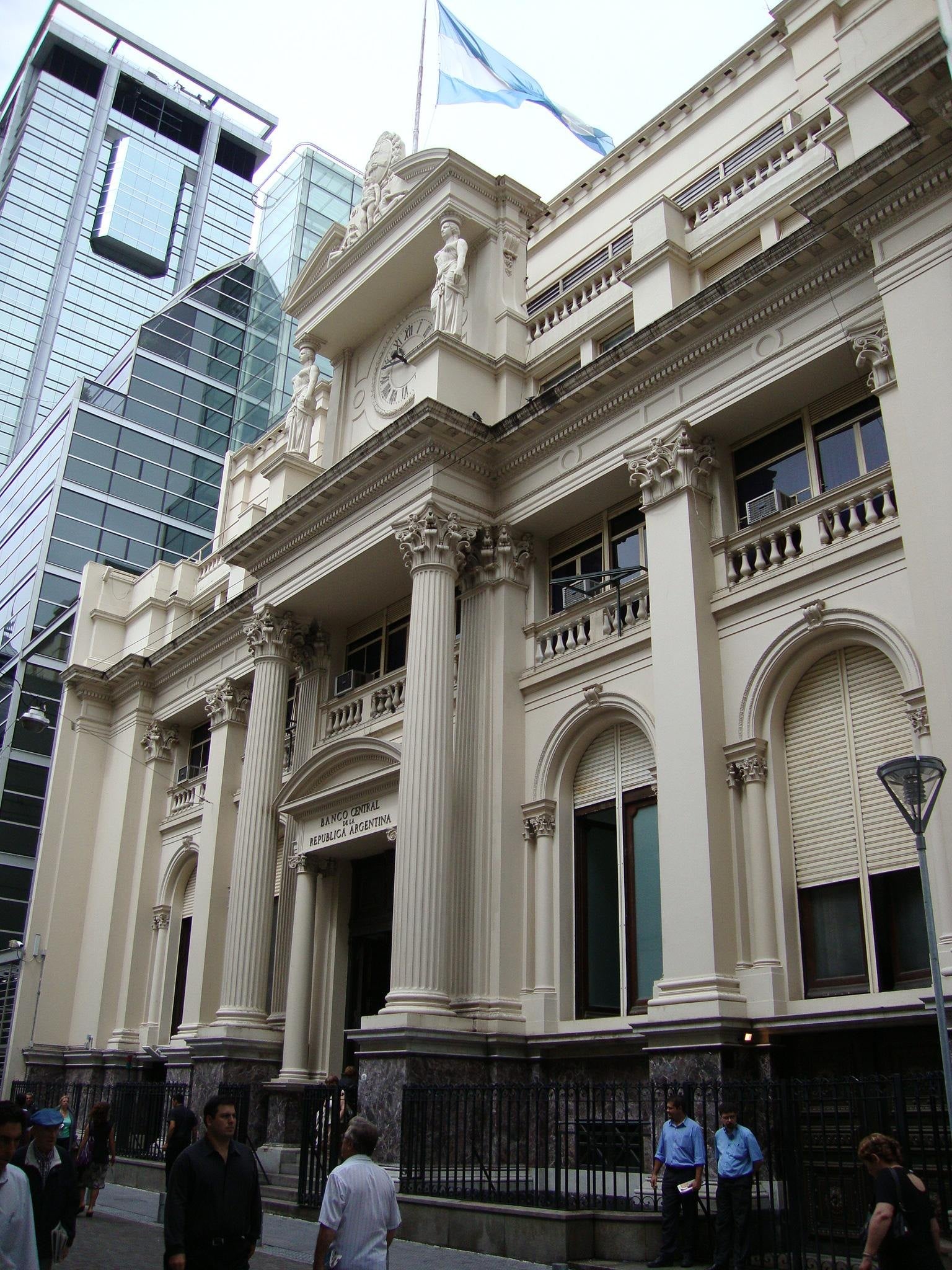
Why the Central Bank Is Counting It
Argentina’s exchange-rate policy depends on the supply of dollars reaching the official market, and issuance abroad has become one of the larger reliable sources of that supply outside the agricultural export season.
A pipeline of US$4.4 billion is therefore something the central bank can point to when asked how the peso will be defended through the coming months without spending reserves.
It is also a flow the bank does not control. Companies and provinces choose when to liquidate, and a firm expecting a weaker peso has an obvious reason to wait.
What Would Interrupt It
The pipeline depends on international markets staying open to Argentine issuers. Spreads on Argentine corporate and provincial paper have narrowed through 2026, which is what made the US$20.2 billion possible in the first place.
A widening would close new issuance rather than affect what has already been placed, so the US$4.4 billion is comparatively insulated. The risk is to the flow after it.
An earlier central bank estimate in early September put the outstanding figure above US$4 billion. The 13 September number is the update rather than a new category.

How to Read It
This is a supply forecast, not a policy measure. The central bank is describing dollars it expects to arrive, not dollars it has secured or can compel.
For anyone pricing the peso, the useful part is the ratio rather than the headline: roughly 78% of what has been placed has already been converted, which is a high conversion rate and the reason the bank treats the remainder as likely rather than hoped for.
The seasonal context also matters. Argentine dollar supply is concentrated in the months when the soy and maize harvests are sold, and the pipeline of placed debt is one of the few sources that does not follow that calendar.
That is why the central bank quotes it at a convention of finance executives rather than in a monetary policy statement. The audience is the issuers whose timing decisions determine when the remaining dollars arrive.
More: Argentina news in English, every day from The Rio Times.
Frequently Asked Questions
What is the US$4.4 billion?
Debt securities placed abroad by Argentine companies and provinces that have not yet been liquidated in the local foreign-exchange market.
Who gave the figure?
Vladimir Werning, vice-president of the central bank, on 13 September 2026.
How much has already arrived?
US$15.8 billion of US$20.2 billion placed.
Why does it matter?
Those dollars supply the official market and help the central bank hold the exchange rate without spending reserves.
Is it guaranteed?
No. Issuers choose when to liquidate, and the central bank does not control the timing.
Sources: Infobae, Ámbito, Banco Central de la República Argentina.
This article was produced by The Rio Times’ automated newsroom system. How we use AI · Report an error
In depth
Read More from The Rio Times