BCEAO Holds Key Rate at 3.00% as WAEMU Faces Deflation and Political Risk
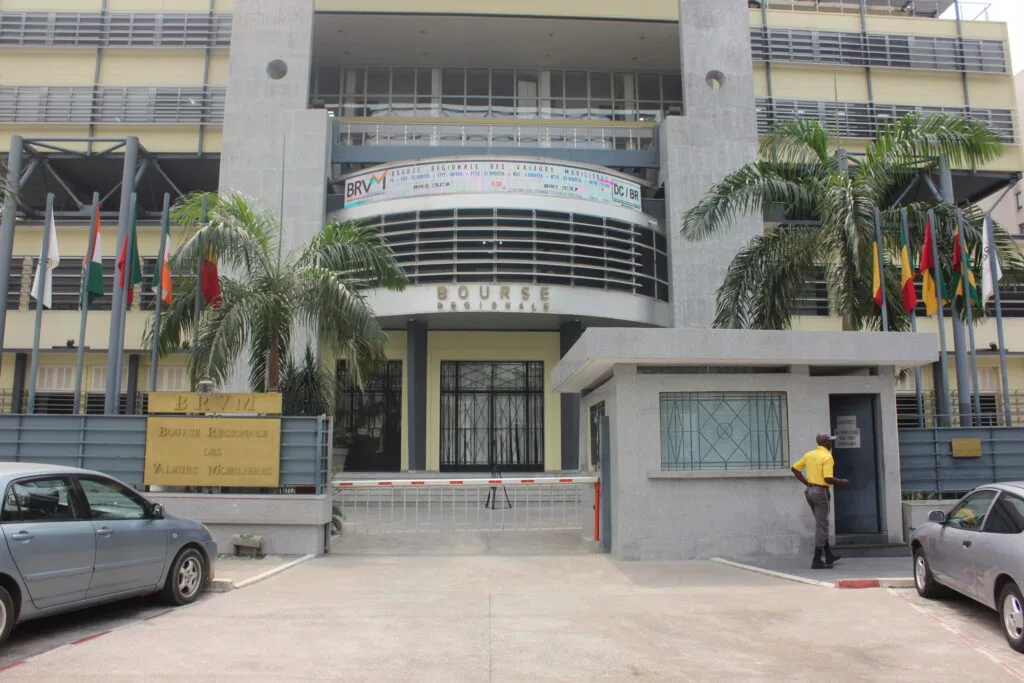
Africa · Western
Key Facts
—Rate held. The BCEAO maintained its main refinancing rate at 3.00% in June 2026, after cutting from 3.50% earlier in the year.
—Deflation first. WAEMU inflation fell to -1.4% in Q3 2025, with full-year inflation at 0.0%, before a projected rebound to 1.4% in 2026.
—Oil shock. Renewed Middle East tension pushed oil prices higher, raising import-cost risks across the currency union.
—CFA franc anchor. The XOF is fixed to the euro at CFA 655.957, backed by a French Treasury convertibility guarantee and pooled reserves.
—Political friction. Military-ruled Mali and Niger have questioned the CFA franc’s colonial legacy, raising exit risks for the eight-nation bloc.
The BCEAO key rate remains at 3.00% as the West African central bank navigates a narrow corridor between deflation and a sharp oil-price shock, while political tensions in Senegal and the Sahel test the CFA franc system.
From inflation fight to deflation surprise
The Banque Centrale des États de l’Afrique de l’Ouest (BCEAO) spent 2022 and 2023 raising rates to tame prices. Its main refinancing rate climbed from 2.75% to 3.50%, with the marginal lending facility reaching 5.50%.
Then the picture flipped. WAEMU inflation, which hit 4.4% in July 2024, collapsed into outright deflation by the third quarter of 2025, reaching -1.4%.
Strong harvests and lower import costs drove consumer prices down. Full-year inflation for 2025 registered at 0.0%, well below the BCEAO’s 1–3% target band.
Two cuts, then a hold at the BCEAO key rate
The Monetary Policy Committee responded with back-to-back easing. It cut the main rate from 3.50% to 3.25% in June 2025, then to 3.00% in March 2026.
The March decision explicitly aimed to “support financing of the private sector” after deflation took hold. The marginal lending rate fell in parallel from 5.50% to 5.00%.
By June 2026, the committee held the BCEAO key rate at 3.00%. A nearly 90% surge in oil prices, triggered by renewed Middle East conflict, had raised import-cost risks, but inflation projections remained modest at around 1.6% by year-end.
Senegal sits at the centre of the storm
The BCEAO is headquartered in Dakar, and Senegal remains the union’s political anchor. Its international reserves have held steady at roughly $3 billion, cushioned by the WAEMU pooled reserve system.
Yet country-risk analysts flag mounting spillovers from neighbours. Military-ruled Mali and Niger have openly questioned the CFA franc’s colonial architecture, raising the spectre of a disorderly exit.
Any departure “without a studied plan” would threaten the central bank’s convertibility regime and likely push inflation higher across the region. Sovereign bond yields for higher-risk WAEMU states such as Niger have already touched 10%.
The CFA franc: a currency union under pressure
The West African CFA franc (XOF) is fixed to the euro at CFA 655.957 per euro. France provides an unlimited convertibility guarantee, and in return the BCEAO deposits 50% of its foreign-exchange reserves with the French Treasury.
This arrangement has delivered exchange-rate stability and low inflation for decades. It also ties WAEMU monetary conditions to European Central Bank policy and carries a colonial legacy that Sahelian governments increasingly reject.
The BCEAO has built strong technical credibility with the IMF and global regulators, championing Basel standards across the union. That technocratic reputation now serves as a shield against political attacks on the currency framework.
Great-power money and the new scramble
WAEMU is one of the world’s fastest-growing blocs, with GDP growth of 6.7% in 2025 and a projected 6.4% in 2026. Yet it operates inside a euro-pegged, IMF-advised policy framework at a moment of intensifying great-power competition.
Elevated sovereign financing needs and limited external market access make member states increasingly reliant on external financiers. This is the space where China and Gulf states have expanded their footprint across Africa, as explored in our pillar Africa: The New Scramble.
The fixed CFA–euro regime and BCEAO–IMF alignment create a relatively rules-bound environment. That can partially limit ad hoc bilateral monetary deals, but it does not eliminate the financing gaps that draw in competing powers.
What the rate means for businesses and borrowers
The headline BCEAO key rate of 3.00% tells only part of the story. Effective borrowing costs remain far higher for most governments and firms across the eight-nation union.
Short-term Treasury bill yields range from 6% to 7%, while bond yields for some members exceed 9%. A strong sovereign-bank nexus means public-debt stress feeds directly into tighter credit conditions for the private sector.
The IMF has described the current monetary stance as “broadly appropriate” but stressed that policy must remain data-dependent. The BCEAO has signalled it will not hesitate to adjust if inflation risks materialise or financial stability weakens.
What to watch next
The BCEAO’s next ordinary sessions will be closely parsed for any shift in tone. The central bank must weigh a projected inflation rebound to 2.1% in 2027 against the need to keep credit flowing to a growing economy.
Political developments in Mali and Niger will matter as much as price data. Any concrete move toward a parallel currency or reserve restructuring would force a fundamental rethink of the CFA franc system.
For international investors, Senegal’s ability to maintain its anchor role while managing Sahelian spillovers is the single most important variable. The country’s $3 billion reserve cushion and WAEMU membership provide buffers, but they are not unlimited.
Connected Coverage
Frequently Asked Questions
Why did the BCEAO hold its key rate at 3.00% in June 2026?
The BCEAO kept the rate at 3.00% to balance two opposing forces. Deflation in late 2025 argued for continued accommodation, but a nearly 90% oil-price shock from the Middle East conflict raised import-cost risks. With inflation projected at a modest 1.6% by end-2026, the committee judged the current stance appropriate while staying ready to adjust if conditions worsen.
How does the CFA franc arrangement with France affect WAEMU monetary policy?
The CFA franc is fixed to the euro at CFA 655.957, and France guarantees unlimited convertibility. In exchange, the BCEAO deposits 50% of its foreign-exchange reserves with the French Treasury.
This anchors inflation and provides exchange-rate stability, but it also ties WAEMU conditions to European Central Bank policy and limits full monetary autonomy.
What political risks threaten the WAEMU currency union?
Military-led governments in Mali and Niger have openly questioned the CFA franc’s colonial legacy and the union’s architecture. A disorderly exit by one or more members could destabilise the central bank’s convertibility regime, drive up inflation, and erode investor confidence. Sovereign bond yields for higher-risk members like Niger have already reached 10%.
Sources
Sources: BCEAO.
This article was produced by The Rio Times’ automated newsroom system. How we use AI · Report an error · Editorial responsibility: Matthias Camenzind, Editor-in-Chief
LatAm Markets: Live Signals → — real-time movers, turnover leaders and FX across Latin America.