Nigeria’s Bauchi Borrows US$91.6 Million for 24 New Roads
Africa · Western
Key Facts
—The loan. Bauchi State secured US$91.6 million (~₦125 billion) from the ECOWAS Bank for Investment and Development.
—The projects. Funds will build and rehabilitate 24 strategic roads and bridges across the northern Nigerian state.
—The guarantee. Nigeria’s federal government is backing the facility with a sovereign guarantee.
—The timeline. Governor Bala Mohammed signed the deal in Lomé in late July 2026 and expects to access funds in August.
—The context. The loan is worth about 14% of Bauchi’s ₦877 billion 2026 budget, and close to 22% of the ₦568 billion the state set aside this year for capital projects.
Bauchi ECOWAS Bank financing of US$91.6 million signals a shift in how Nigerian states fund infrastructure, turning to regional lenders rather than waiting for Abuja or Beijing.
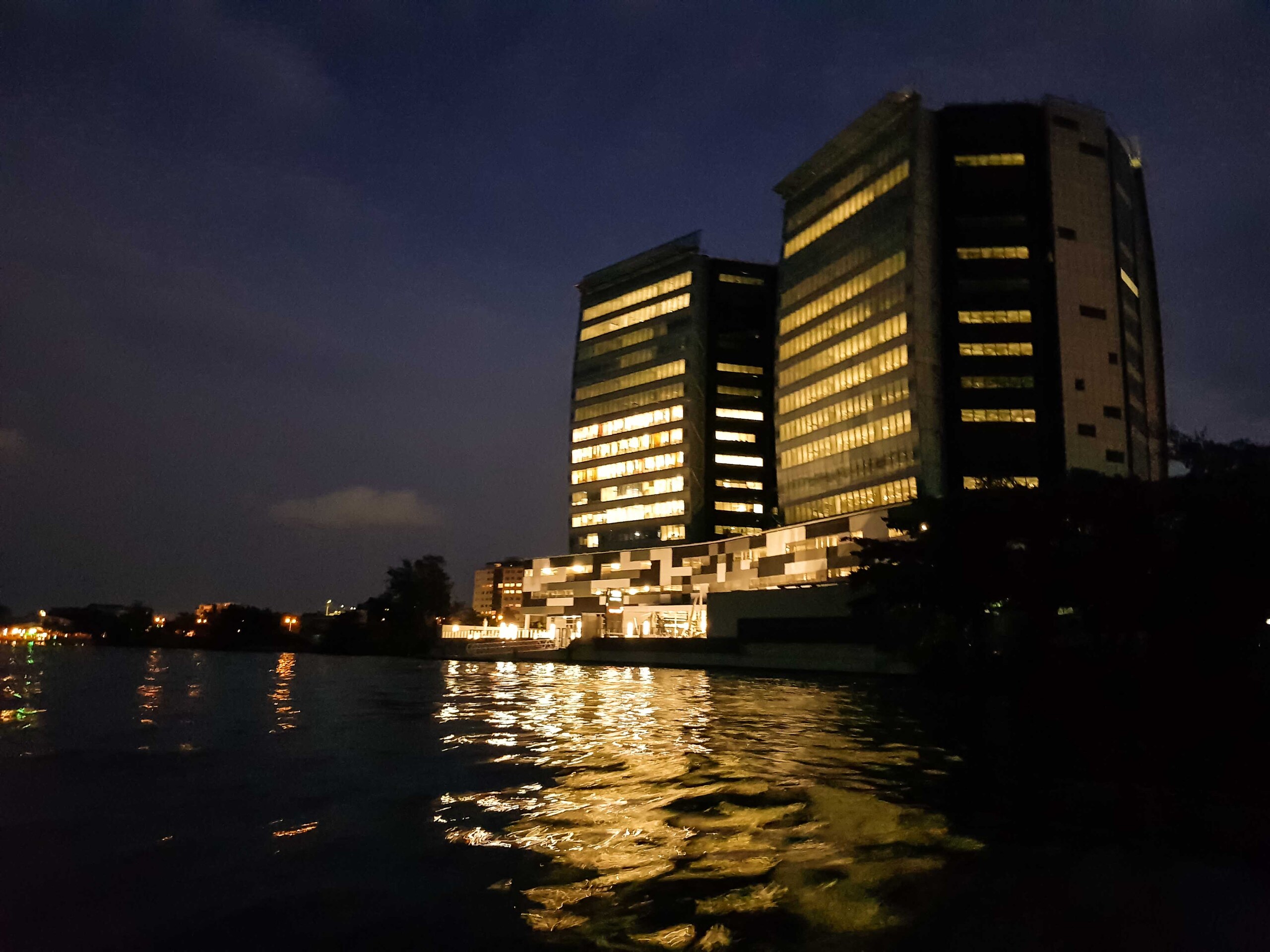
What the Bauchi ECOWAS Bank financing covers
The facility will fund the Bauchi State Transport Infrastructure Financing Programme. It targets 24 road and bridge projects across the state.
Governor Bala Abdulkadir Mohammed named several corridors after signing the agreement in Lomé, Togo. They include the Mararraban Liman Katagum–Bununu road, the Soro–Miya road, and the Gumau–Kaduna border road.
Urban renewal is also part of the package. Roads inside the Government Reserved Area in Bauchi city and bridges across the metropolis will receive attention.
The money and the power behind the deal
At US$91.6 million, the loan is large by sub-national standards. Set against the state’s own finances, it is significant but not overwhelming: Bauchi’s 2026 budget was signed into law at ₦877 billion, of which ₦568 billion is capital spending.
The EBID facility is worth about 14% of the total budget and roughly 22% of this year’s capital envelope.
That scale made a federal sovereign guarantee essential. Abuja is effectively standing behind Bauchi’s repayment, giving the state access to credit it could not secure alone.
Governor Mohammed said the deal followed 18 months of negotiations. He expressed confidence that all ongoing road projects would be finished before his administration ends.
EBID’s rising profile in West African infrastructure
The ECOWAS Bank for Investment and Development is no longer a minor player. Its commitments rose from US$268 million in 2022 to a target of US$500 million by end-2025.
In March 2026 alone, EBID approved US$266.7 million for projects across five countries. Nigeria was the largest beneficiary, securing over US$241 million for three projects including the Bauchi roads.
By July 2026, the bank approved another US$417 million. A flagship US$260 million went to a 123-kilometre section of the Trans-Saharan Highway, reinforcing trade corridors from Nigeria into the Sahel.
A regional counterweight in a crowded lending field
Nigeria’s infrastructure gap has long attracted competing financiers. The World Bank recently backed Nigeria’s development plan with a US$1.25 billion package.
China has also been a dominant lender, with around 40 identified development projects in Nigeria since 2015. Chinese loans for Nigerian capital projects carry maturities stretching to 2038.
EBID offers something different. It is owned by the 15 ECOWAS member states and is now pursuing a Growth, Resilience and Optimisation strategy for 2026–2030 that prioritises climate-compatible infrastructure and intra-regional trade.
This positions the bank as a regional alternative to global lenders. For states like Bauchi, it means project-level funding with more political alignment and potentially fewer conditions. The broader scramble for African infrastructure finance is explored in our pillar Africa: The New Scramble.
Bauchi’s broader push for external capital
The EBID loan is not Bauchi’s only recent financing success. The state government has also announced a separate partnership with a Saudi investment firm, part of a wider push to court external capital for mining and agro-industry.
Those commitments span mining, energy and agriculture. Bauchi has also been selected for the African Development Bank’s Special Agro-Industrial Processing Zones Project, a US$1.5 billion concessional programme.
Taken together, these deals suggest Bauchi is using its resource base and location. The state aims to become a northern hub for mining, agro-industrialisation and logistics.
What the deal means for sub-national borrowing in Nigeria
Nigerian governors are increasingly acting as quasi-foreign policy actors. They court financiers and investors directly, even while relying on federal guarantees.
This dynamic raises questions about debt sustainability and equity between states. A facility worth roughly a fifth of a state’s yearly capital spending is significant, and repayment will depend on the economic growth the roads are meant to unlock.
For investors and analysts watching Nigeria, the Bauchi case offers a live test. It shows whether a regional development bank can effectively finance sub-national infrastructure in a federal system where Abuja remains the gatekeeper.
Connected Coverage
More: Nigeria news in English, every day from The Rio Times.
Frequently Asked Questions
How much is the Bauchi ECOWAS Bank financing worth in naira?
The facility is denominated in US dollars at US$91.6 million. At an indicative exchange rate near ₦1,350–₦1,370 per dollar, this equates to roughly ₦125 billion, the figure widely cited in Nigerian media.
What will the loan actually build in Bauchi State?
The programme covers construction and rehabilitation of 24 strategic roads and bridges. Named corridors include Mararraban Liman Katagum–Bununu, Soro–Miya, Gumau–Kaduna border, and Bara–Wanka roads, plus urban renewal projects in Bauchi metropolis.
Why did Bauchi choose a regional bank instead of a global lender?
EBID is owned by ECOWAS member states and offers project-level funding with terms aligned to regional priorities. For Bauchi, the bank provided a viable alternative to World Bank or Chinese loans, with a federal guarantee making the borrowing possible.
Sources
Sources: ECOWAS Bank for Investment and Development; Governor Bala Mohammed; Nigeria's federal government.
This article was produced by The Rio Times’ automated newsroom system. How we use AI · Report an error
LatAm Markets: Live Signals → — real-time movers, turnover leaders and FX across Latin America.
Read More from The Rio Times