Police Ask If Banco Master Bought Protection With Party Videos
Banking
Key Facts
—The new line of inquiry. Federal Police are examining whether recordings made at private parties were used to pressure officials into protecting the bank.
—The second question. Investigators also want to know whether the cost of those events was paid with money taken from the bank.
The bill. Brazil’s deposit-guarantee fund had made roughly R$40 billion in payouts to Banco Master creditors by early 2026, and Reuters later reported the Banco Master failure caused about a R$52 billion hit to the industry’s backstop.
—The recovery. Courts have frozen roughly R$27.71bn ($5.4bn) in assets, well under half of what the fund has already paid out.
—The supervisors. The central bank removed two senior banking-supervision officials, suspected of acting unlawfully in the bank’s favour.
—The banker. Daniel Vorcaro has been in custody since March; a second plea-bargain proposal was rejected by police and prosecutors.
The operation’s public reporting ties the investigated parties to places including Trancoso, Lisbon, and New York, and guests handed over their phones at the door. Federal Police now want to know whether the surviving recordings bought Banco Master the political protection it needed.
This is not a story about anybody’s private life. Investigators have been clear that their interest is coercion, not conduct.
The idea under examination is that footage of officials from all three branches of the Brazilian state became leverage. Prosecutors also ask whether the events, with their costly drink and travel, were paid for with money taken from the bank.
Vorcaro’s lawyers have argued for months that publishing private material with no legal relevance is an intrusion. They add that consensual gatherings between adults break no law, but that answers a question nobody in the investigation is asking.
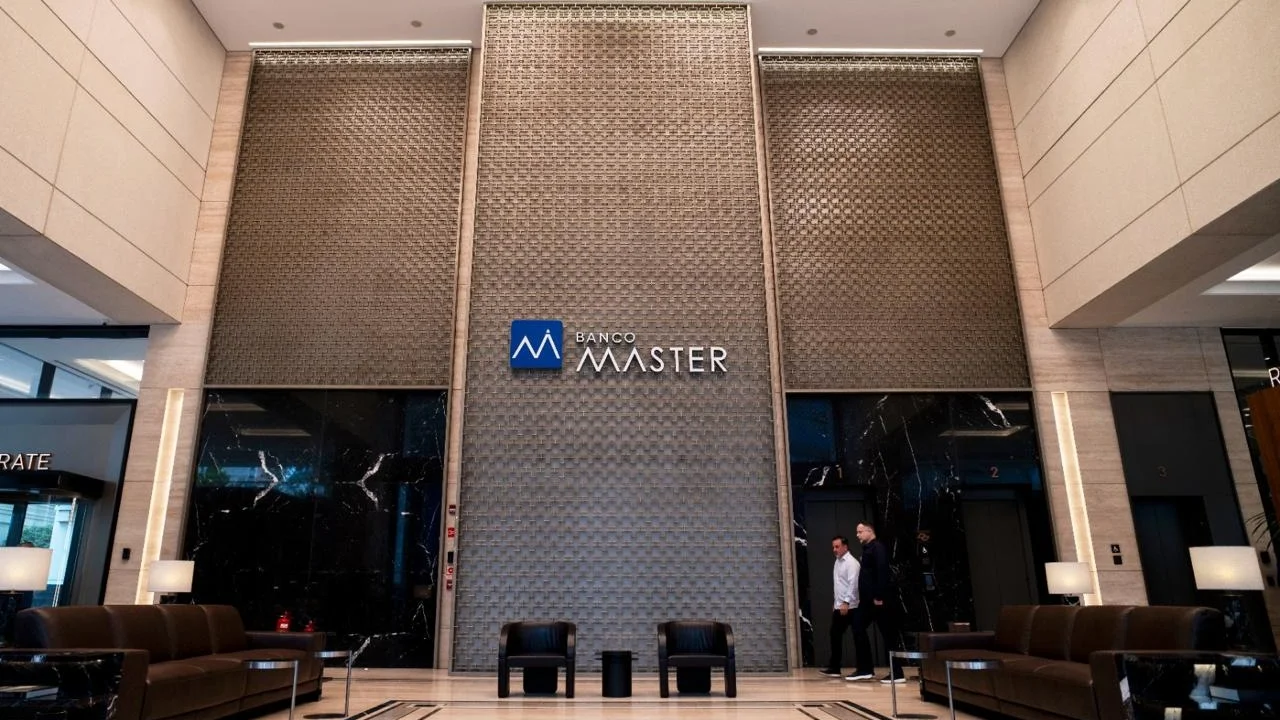
What the Banco Master case has cost so far
Start with the number that matters to anyone who banks in Brazil. The deposit-guarantee fund, financed by every member institution, had made roughly R$40 billion in payouts to Banco Master creditors by early 2026, and Reuters later reported the Banco Master failure caused about a R$52 billion hit to the industry’s backstop.
Now set that against what the courts have managed to seize. According to the state news agency’s tally, judicial freezes across six phases total nearly R$27.71bn ($5.4bn).
The fund has therefore paid out almost twice what the state has locked down. Even a flawless recovery would leave the industry carrying most of the loss.
The operation, called Compliance Zero, had reached the 10th phase as of the publication date. It has produced twenty-one arrests and a hundred and sixteen search warrants, executed across seven states.
The wreckage spread well beyond one balance sheet. The central bank wound up several institutions in the group, and later liquidated two more lenders tied to it, so the fund’s bill covers three names, not one.
The most recent phase, in May, reached the banker’s own father. A technology specialist wanted in the case was arrested in Dubai with Interpol, and a serving federal police officer was detained over leaked files.
Why the blackmail question is a financial one
Banco Master’s alleged crime was making credit portfolios with nothing behind them and selling them to a state-controlled lender. That trick only works if nobody with authority looks closely.
Somebody, apparently, did not look. The central bank removed two senior officials from its banking-supervision department, both suspected of acting unlawfully in the bank’s interest.
The supervisor did eventually look, and refused. In September 2025 the central bank blocked the state lender’s attempt to buy Master, two months before police exposed what analysts had long suspected.
Our reporting has shown that the banker then hired a network of digital influencers to attack the central bank official whose department recommended that veto, spending roughly R$8 million on a campaign that supplied scripts and headlines to about 40 social-media accounts.
Police also allege the banker ran a private enforcement group to intimidate critics. One of its members died in custody after his arrest, in what the force describes as a suicide.
Seen against that background, the videos stop being a scandal and become a tool. The question is whether a bank that could not pass a technical inspection had built the means to make one unnecessary.
The amendment that would have quadrupled the exposure
Here is the detail that ought to alarm a foreign creditor. In 2024, a senator attached a clause to a constitutional amendment on central-bank autonomy that raised the deposit guarantee from R$250,000 to R$1 million.
Police say the text was drafted by the bank’s own staff and handed to the senator to present as his own work. Specialists warned at the time that it would threaten the fund’s solvency.
It did not pass. Had it passed before the collapse, the guarantee for each depositor of this bank would have been four times larger, and the industry’s bill correspondingly worse.
That is the shape of the whole case in miniature. A lender allegedly wrote the rule that would have expanded the public backstop it was about to need.
Vorcaro has been held since March, and a second plea-bargain proposal was turned down by police and prosecutors. He denies wrongdoing, and no charge in this matter has been tried.
What is the Banco Master investigation about?
Federal Police allege the bank sold fabricated credit portfolios to a state-controlled lender and bribed officials. The central bank liquidated it in November 2025.
Who pays when a Brazilian bank fails?
A deposit-guarantee fund financed by the banks themselves, covering up to R$250,000 per taxpayer. It had made roughly R$40 billion in payouts to Banco Master creditors by early 2026, and Reuters later reported the Banco Master failure caused about a R$52 billion hit to the industry’s backstop.
Are the party videos evidence of a crime?
That is what police are trying to establish. Recordings are only relevant if they were used as leverage, or if the events were funded with diverted money.
Background: Inside Brazil’s Biggest-Ever Bank Fraud: The Banco Master Scandal.
Frequently Asked Questions
What is the new line of inquiry in the Federal Police investigation into Banco Master?
Federal Police are examining whether recordings made at private parties in Trancoso, Lisbon, and New York were used to pressure officials into protecting the bank. Investigators are focused on coercion, testing whether footage of officials from all three branches of the state was used as leverage.
How much money has been spent reimbursing Banco Master customers, and how much has been recovered?
Brazil's deposit-guarantee fund had made roughly R$40 billion in payouts to Banco Master creditors by early 2026, and Reuters later reported the Banco Master failure caused about a R$52 billion hit to the industry’s backstop. Courts have frozen roughly R$27.71bn ($5.4bn) in assets, well under half of what the fund has already paid out.
What happened to the senior officials and the banker connected to the Banco Master case?
The central bank removed two senior banking-supervision officials suspected of acting unlawfully in the bank's favour. Daniel Vorcaro, the banker, has been in custody since March, and a second plea-bargain proposal he put forward was rejected by police and prosecutors.
This article was produced by The Rio Times’ automated newsroom system. How we use AI · Report an error · Editorial responsibility: Matthias Camenzind, Editor-in-Chief
LatAm Markets: Live Signals → — real-time movers, turnover leaders and FX across Latin America.