Asia Intelligence Brief — Monday, August 3, 2026
Executive Summary
Asia Intelligence Brief, August 3, 2026: China's factory PMI falls to 49.2, the BOJ turns hawkish, SK Hynix surges 30% and Korea sets a 42.5C heat record.
Rio Times · Asia Intelligence Brief August 3
—China PMI China’s official manufacturing gauge fell to 49.2 in July, its first contraction in five months.
—BOJ signal The Bank of Japan held rates but Governor Ueda hinted at a September hike as inflation overshoots.
—SK Hynix surge SK Hynix shares jumped about 30% after revealing roughly US$500 billion in AI-memory supply deals.
—Scarborough Shoal China’s navy and air force staged combat drills near the disputed shoal on 1 August.
—Shipki La trade Seasonal India-China barter trade through the Himalayan pass resumed after a six-year freeze.
—Record heat South Korea’s Yangsan recorded 42.5C, the highest temperature ever measured in the country.
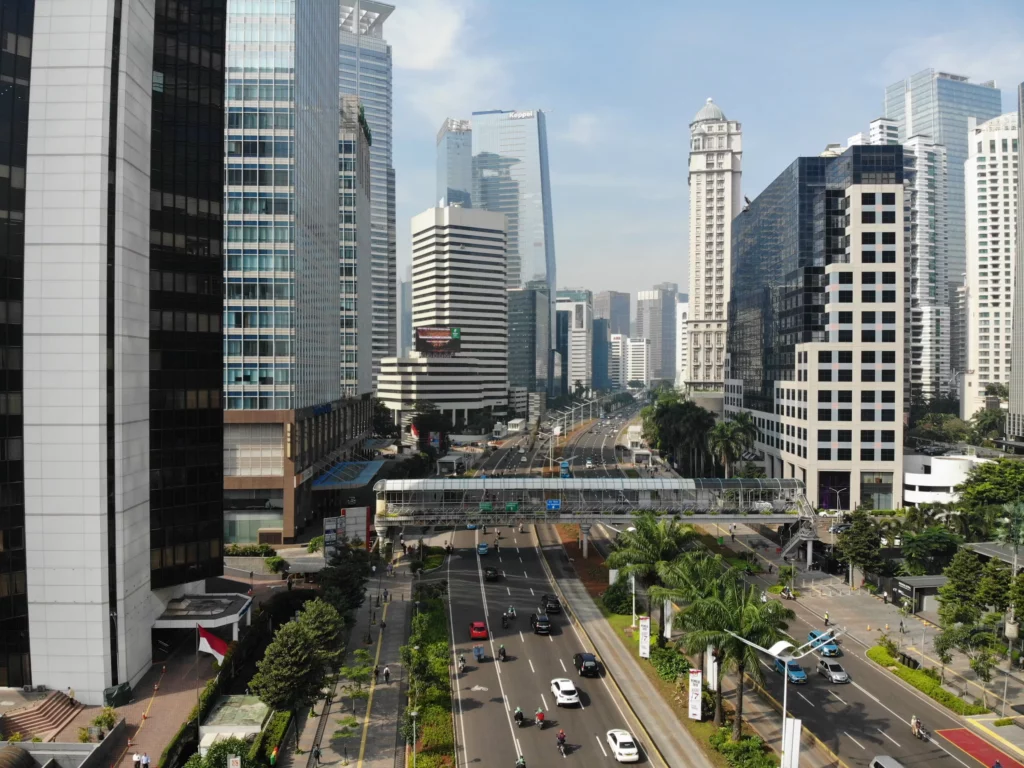
South Korea’s SK Hynix booked its best day ever as AI-memory deals topped half a trillion US dollars, even while a record 42.5C heatwave tested the country’s endurance.
China – Factory Contraction
Manufacturing slips into reverse
China’s official manufacturing purchasing managers’ index fell to 49.2 in July from 50.3, marking its first contraction in five months. Weak domestic orders and typhoon-related disruption across several provinces dragged the reading below the 50-point line that separates growth from shrinkage.
A mood of unease settles in
The sudden soft patch punctures hopes that China’s industrial engine was stabilising, with US-China trade tension remaining the region’s dominant worry. Markets now watch whether Beijing will deliver fresh stimulus to steady confidence.
Japan – BOJ Holds, Turns Hawkish
Steady rate, sharper language
The Bank of Japan kept its policy rate at 1.0 per cent in an 8-1 vote on 31 July, but warned that core inflation will run clearly above 2 per cent. Governor Kazuo Ueda told reporters a September rate increase is firmly on the table if price pressures persist.
Yen weakness and political stakes
The yen remains uncomfortably close to a 40-year low, raising the economic and political stakes for Prime Minister Sanae Takaichi’s government. A hawkish central bank and a fragile currency together create tense anticipation across Tokyo’s trading floors.
China’s official manufacturing gauge fell to 49.2 in July, its first contraction in five months, on weak domestic orders and typhoon disruption.
Philippines – South China Sea Drills
Live-force exercises near Scarborough Shoal
China’s People’s Liberation Army staged combined naval and air combat drills near Scarborough Shoal on 1 August. The show of muscle came days after Manila moved to map and extend its seabed rights off Palawan, deepening the maritime stand-off.
Manila’s resolve tested
President Ferdinand Marcos Jr. faces heightened pressure as Beijing’s drills underscore its refusal to yield ground. The confrontation is adding a fresh layer of alarm to a region already straining under trade uncertainties.
South Korea – AI-Chip Megadeals
SK Hynix shares rocket on record profits
SK Hynix shares surged about 30 per cent on 31 July, their best single-day performance on record, after the company posted historic quarterly profits. Investors cheered roughly US$500 billion in AI-memory supply deals, anchored by a landmark high-bandwidth-memory pact with Nvidia.
Euphoria in the chip sector
The bonanza lit a fire under South Korea’s semiconductor industry, which is riding an artificial-intelligence spending wave. The jubilation stands in sharp contrast to the unease rippling through the region’s factory and shipping corridors.
South Korea – Minerals and Energy Diplomacy
A marathon trip secures supply lines
President Lee Jae Myung wrapped an 11-day journey across the United States and South America, signing critical-minerals memorandums of understanding with Brazil, Chile and Argentina. The pacts aim to lock in lithium, copper and other resources vital for batteries and green technology.
Argentine crude joins the mix
Seoul is also importing 880,000 barrels of Argentine crude on a trial basis this year, helping diversify its energy sources. The deals give South Korea fresh supply lines at a time of persistent global commodity jitters.
India – Himalayan Trade Reopens
Shipki La pass stirs back to life
Seasonal border trade between India and China through the Shipki La pass resumed on 1 August after a six-year freeze. Sixteen traders made the first barter-run expedition, carrying local goods across the ancient Silk Route corridor.
A diplomatic thaw on a mountain trail
The modest reopening signals a cautious improvement in ties between the two neighbours, even as broader geopolitical frictions persist. For local communities in the high Himalayas, the return of barter trade is a welcome economic lifeline.
South Korea – Record Heat
Thermometer hits an all-time high
A fearsome heatwave pushed the temperature to 42.5 degrees Celsius in Yangsan, the highest ever recorded in South Korea. Authorities have warned that extreme heat will persist, stretching power grids and public-health services.
Discomfort beneath the chip euphoria
The blistering weather provides a sobering backdrop to the country’s chip-market celebrations. Millions of residents are being urged to stay indoors and conserve electricity as the heat dome sits stubbornly over the peninsula.
The Bigger Picture
Asia opened the week with a sharp contrast: Chinese factory data soured and Beijing rattled sabres in the South China Sea, yet SK Hynix delivered a once-in-a-generation AI-chip rally. The mood is one of nervous alertness, with every piece of good news shadowed by a geopolitical or economic worry.
Japan’s central bank signalled it may finally raise borrowing costs in September, anxious about stubbornly high prices and a weak yen. South Korea, meanwhile, juggled record heat, a diplomatic minerals push, and a semiconductor boom that briefly eclipsed all the region’s anxieties.
India and China quietly reopened a historic Himalayan trade pass, adding a glimmer of neighbourly goodwill. But for now, the dominant feeling from Tokyo to Seoul to Manila is of a region bracing for what comes next.
Asia Intelligence Brief August 3: What We Are Watching
- Today: Markets digest China’s factory contraction and the BOJ’s hawkish hold as SK Hynix extends its AI-fuelled rally.
- This week: Possible BOJ rate signal fallout, South China Sea tensions after the PLA drills, and South Korean heatwave emergency measures.
Go Deeper
The full Asia Intelligence Dossier — the interactive risk dashboard and the six people who matter — is updated daily by the Rio Times Intelligence Desk.
Background: Foreign Investors No Longer Fear a Lula Win — They’re Watching the Fed Instead.
Background: BRICS Just Got Bigger — Who’s In, Who’s Still Out, and Why It Matters.
Background: Brazil Economic Outlook 2026: Growth, Inflation, and Key Risks.
Related coverage: USA & Canada Intelligence Brief for Monday, 3 August 2026 · Europe Intelligence Brief for Monday, 3 August 2026 · Africa Intelligence Brief for Monday, 3 August 2026 · the following day’s Asia Intelligence Brief, Tuesday 4 August · Asia Intelligence Brief for Friday, 31 July 2026.
Frequently Asked Questions
Why did China’s factory activity contract in July 2026?
China’s official manufacturing purchasing managers’ index fell to 49.2 in July from 50.3 in June, dropping below the 50-point line that divides growth from contraction and marking the first shrinkage in five months. Weak domestic orders and typhoon disruption across several provinces were blamed. Markets are now watching whether Beijing responds with fresh stimulus.
Did the Bank of Japan raise interest rates in July 2026?
No. The Bank of Japan held its policy rate at 1.0 per cent in an 8-1 vote on 31 July 2026, but warned that core inflation would run clearly above 2 per cent. Governor Kazuo Ueda said a September increase is firmly on the table, with the yen close to a 40-year low against the dollar.
Why did SK Hynix shares jump about 30%?
SK Hynix rose roughly 30 per cent on 31 July 2026, its best single day on record, after posting historic quarterly profits and confirming around US$500 billion of AI-memory supply commitments anchored by a multi-year high-bandwidth-memory pact with Nvidia. A broader rebound in US technology stocks amplified the move across South Korea’s chip sector.
What is driving the latest South China Sea tensions?
China’s People’s Liberation Army staged combined naval and air combat drills near Scarborough Shoal on 1 August 2026, days after Manila moved to map and extend its seabed rights off Palawan. The exercise signalled Beijing’s refusal to yield ground and increased the pressure on President Ferdinand Marcos Jr. as the maritime stand-off deepens.
Sources: CNBC on China PMI, CNBC on the Bank of Japan, CNBC on the Nvidia-SK Hynix deal, USNI News, The Korea Times
This article was produced by The Rio Times’ automated newsroom system. How we use AI · Report an error