Asia Intelligence Brief — Friday, October 9, 2026
Executive Summary
Asia Intelligence Brief for October 9: Seoul recalls its Ukraine envoy over North Korean prisoners; Sumatra haze disrupts flights; Firmus pulls $5B IPO.
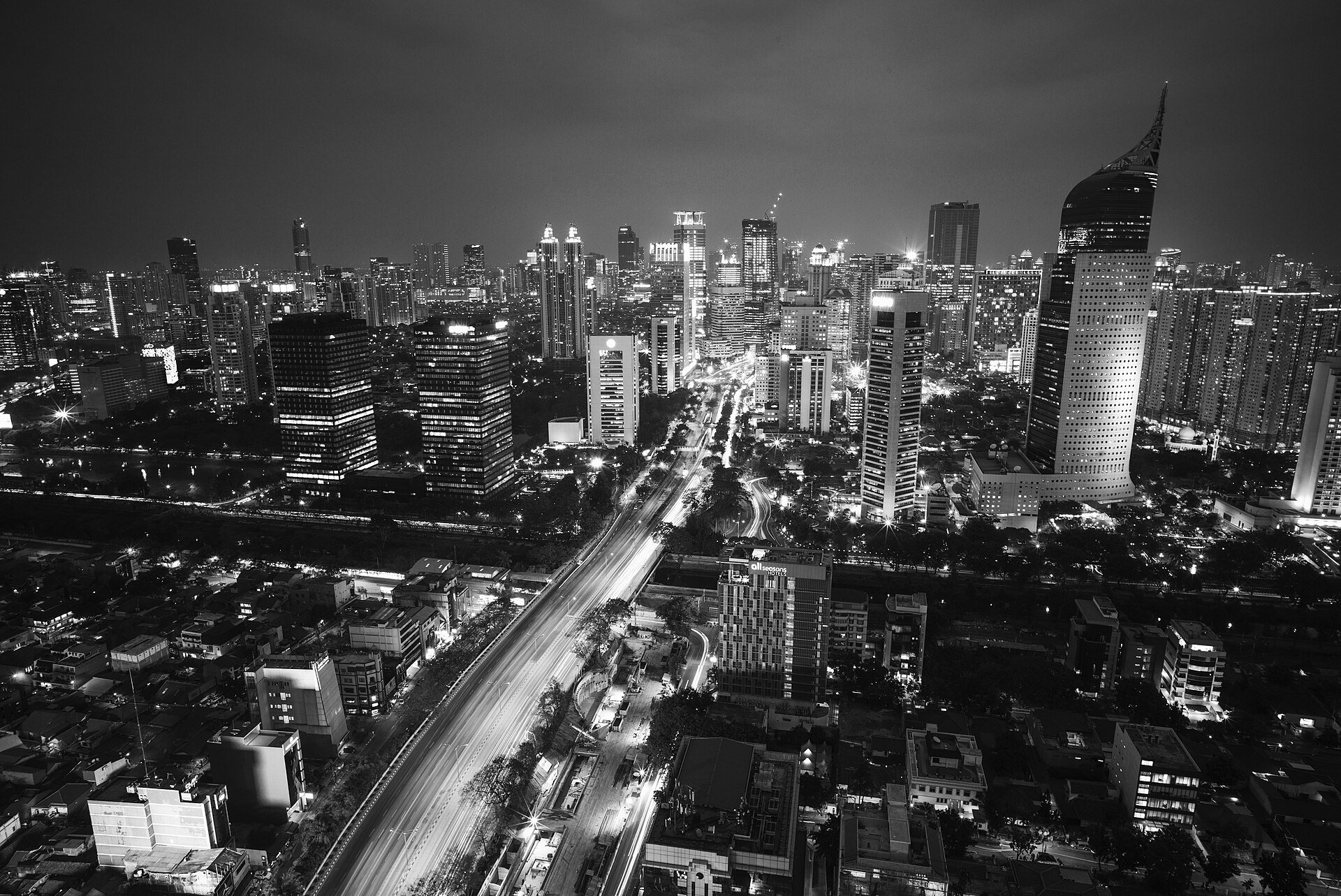
Asia’s temper this Friday is a study in constraint. Governments are asserting themselves: Seoul is recalling its ambassador from Kyiv, Beijing is easing credit, while investors, airlines and households absorb the costs of geopolitical friction, environmental damage and doubts about the scale of artificial-intelligence spending. The mood is not panic, but a wary recalibration of what can be afforded and what must be defended.
The register is administrative and corrective. South Korea’s foreign ministry said it was considering recalling Ambassador Park Hee-chang after Ukraine’s apology over the disclosure of two North Korean prisoners of war transferred to South Korea fell short, The Korea Times reported on 7 October. Indonesian authorities are managing aviation and education disruption from Sumatra’s haze rather than promising an immediate end to the fires. The language is precise because the problems are being contained, not solved.
The through-line is ambition meeting constraint. Seoul wants to assert its interest in North Korean prisoners, Jakarta wants to keep its economy moving through hazardous air, and Canberra’s technology sector wants to build data centres, but each is discovering that geopolitical, environmental and financial limits are tighter than the ambition that preceded them.
Key Facts
—Seoul recalls envoy. South Korea recalled its ambassador to Ukraine over a North Korean prisoner transfer dispute (The Straits Times, 9 October).
—Sumatra haze. Forest fires disrupted flights at Palembang, Pekanbaru and Jambi; more than 36,000 hectares burned in 2026 (The Straits Times, 9 October).
—Firmus IPO pulled. Australian data-centre operator Firmus withdrew its ASX listing plan, previously expected near US$5 billion (ABC Australia, 9 October).
—Nikkei opens lower. Japan’s Nikkei 225 fell more than 1 per cent before paring to about 0.58 per cent (Business Standard, 9 October).
—RBA rate peak. Australia’s cash rate reached 4.6 per cent on 29 September, its highest since 2011 (The Asian Banker, 9 October).
South Korea: Diplomatic Defiance, Domestic Silence
Seoul’s consideration of recalling its ambassador from Ukraine is the day’s sharpest strategic signal. The dispute centres on the transfer of North Korean prisoners of war to South Korea, a matter that touches both the unresolved Korean conflict and the wider Ukraine war. The Korea Times reported on 7 October that Seoul was considering the recall after Ukraine’s apology fell short.
For a US reader, the episode shows that North Korea is no longer a peninsula-only problem. It is now creating friction between Seoul and a European partner, and the South Korean government is willing to pay a diplomatic price to assert its interest in the prisoners. The domestic market could not react on Friday because South Korean exchanges were closed for Hangul Day, TradingView noted on 9 October.
The register is assertive but isolated. Seoul is acting alone, and the silence from Pyongyang and the limited detail from Kyiv leave the dispute open to escalation or quiet repair.
Indonesia: Hazardous Air Tests Public Patience
Forest and land fires in Sumatra have produced worsening haze that disrupted flights at Palembang, Pekanbaru and Jambi on Friday, 9 October, The Straits Times reported. Visibility fell below safe levels, some aircraft returned or diverted to Batam, and schools shifted to home learning. More than 36,000 hectares had reportedly burned during 2026, and pollution reached “very hazardous” levels.
The response from Indonesian authorities, as reported, centred on managing aviation and education disruption rather than announcing a decisive firefighting breakthrough. That reveals a government in containment mode, trying to keep the economy moving while the environmental emergency persists. For a US reader, the haze is a reminder that Southeast Asia’s climate and land-use crises have immediate economic and public-health costs.
The register is practical and defensive. Officials are not promising quick fixes; they are rerouting flights and closing schools, which is the language of a state that knows the fires will not be extinguished today.
Australia: The AI Boom Meets Investor Doubt
Australian data-centre operator Firmus withdrew its application for an ASX initial public offering after weak investor demand, ABC Australia reported on 8 October and updated on 9 October. The company had been expected to pursue a listing of approximately US$5 billion, but said it would instead seek private funding. The decision is a retreat from public markets, not from the underlying technology strategy.
The broader Asia-Pacific share index excluding Japan fell about 0.16 per cent, heading towards a weekly decline of more than 1 per cent. The mood is one of caution towards capital-intensive AI infrastructure, even as the region’s governments and companies continue to invest in it. For a US reader, the signal is that the financing of AI is becoming more selective.
The register is sober and private. Firmus is not abandoning its plans; it is choosing a quieter route, which suggests that public investors are no longer willing to underwrite the full cost of the AI build-out.
Japan And China: Divergent Policy, Shared Market Stress
Japan’s Nikkei 225 opened more than 1 per cent lower on Friday, 9 October, before paring the decline to about 0.58 per cent, while the Topix was down approximately 0.15 per cent in early trading, Business Standard and TradingView reported. The backdrop was a sell-off in technology shares and doubts about the sustainability of AI spending. The weakness is regional, not purely Japanese.
China, by contrast, was easing borrowing costs while Australia had tightened policy, The Asian Banker reported on 9 October. The Reserve Bank of Australia raised its cash rate by 25 basis points to 4.6 per cent on Tuesday, 29 September, its fourth increase of 2026 and its highest level since 2011. The divergence means that Asian economies are no longer moving in the same monetary direction, which complicates any regional response to the AI-driven market correction.
The register is technical and watchful. Central banks and investors are speaking the language of rates, valuations and revenue outlooks, but the underlying question is whether the AI boom can justify its financing costs.
What This Means From Latin America
The most direct channel for Latin America is energy. The Firmus withdrawal also matters for commodities. A US$5 billion data-centre listing would have implied demand for copper, power-generation equipment and other inputs that Latin American producers supply. Its postponement suggests that the AI infrastructure boom may not translate into commodity demand as quickly as hoped. Diplomatically, Seoul’s dispute with Kyiv over North Korean prisoners connects Northeast Asian security politics to the wider Ukraine arena, where several Latin American governments have taken positions.
What We Are Watching
- Monday 12 October, 11:30 Lisbon time: India inflation rate — The September reading is forecast at 4.9 per cent, up from 4.82 per cent. A rise would test the Reserve Bank of India’s patience after its recent policy decisions.
- Tuesday 13 October, 01:30 Lisbon time: Australia NAB business confidence — The September figure is forecast at -9, down from -8. The reading will show whether Australian firms are still retreating after the RBA’s rate rise.
- Wednesday 14 October, 01:00 Lisbon time: Singapore GDP growth rate — Third-quarter growth is forecast at 1 per cent, down from 1.4 per cent. The figure will test the resilience of one of Asia’s most trade-dependent economies.
- Wednesday 14 October, 02:30 Lisbon time: China inflation rate — September consumer inflation is forecast at 0.2 per cent, down from 0.4 per cent. The reading will show whether Beijing’s easing is fighting deflation.
- Thursday 15 October, 01:30 Lisbon time: Australia unemployment rate — The September figure is forecast at 4.6 per cent, unchanged from August. The labour market will test how much tightening the economy can absorb.
- Friday 16 October, 00:00 Lisbon time: South Korea unemployment rate — The September reading is forecast at 2.9 per cent, up from 2.7 per cent. The figure will show whether the diplomatic and market stress is reaching the labour market.
Background: The Bank of Japan’s rate dilemma, explained.
Background: The India–China border pact, explained.
Frequently Asked Questions
Why did South Korea recall its ambassador to Ukraine?
Seoul said it was considering recalling Ambassador Park Hee-chang after Ukraine’s apology over the disclosure of two North Korean prisoners of war transferred to South Korea fell short, The Korea Times reported on 7 October.
What is happening with the haze in Indonesia?
Forest and land fires in Sumatra produced worsening haze on 9 October, disrupting flights at Palembang, Pekanbaru and Jambi, The Straits Times reported. More than 36,000 hectares had reportedly burned during 2026, and pollution reached “very hazardous” levels.
Why did Firmus withdraw its IPO?
Australian data-centre operator Firmus withdrew its ASX listing application after weak investor demand, ABC Australia reported on 9 October. The company had been expected to pursue an IPO of approximately US$5 billion but said it would seek private funding instead.
What is the monetary policy divergence in Asia?
China was easing borrowing costs while Australia had tightened policy, The Asian Banker reported on 9 October. The Reserve Bank of Australia raised its cash rate to 4.6 per cent on 29 September, its highest level since 2011.
This article was produced by The Rio Times’ automated newsroom system. How we use AI · Report an error · Editorial responsibility: Matthias Camenzind, Editor-in-Chief
LatAm Markets: Live Signals → — real-time movers, turnover leaders and FX across Latin America.