Asia Intelligence Brief August 14, 2026: An Invitation To Challenge
Executive Summary
Asia Intelligence Brief for August 14: the yen has given back half the gains from a joint intervention and traders now watch 160 as the trigger for the
Rio Times · Asia Intelligence Brief August 14
Key Facts
—The worst week since May The yen fell about 1% this week to around 159.4 per dollar, its biggest weekly loss in three months.
—Half the rescue undone The currency has surrendered roughly half the gains from the joint Japanese and American intervention of late July.
—A level to watch Traders see 160 per dollar as a potential trigger for fresh official action, against a pre-intervention low near 164.
—Weak against Europe too The yen fell about 0.8% to 183.91 per euro this week, its largest decline since April.
—Shares ran anyway The Nikkei rose about 0.7% to around 68,900 and is up about 5% for the week, with the broader index at record levels.
—Seoul’s fifth session Korea’s market rose 2.42% to 6,977.94, a fifth straight gain, on net foreign buying of 3.03 trillion won.
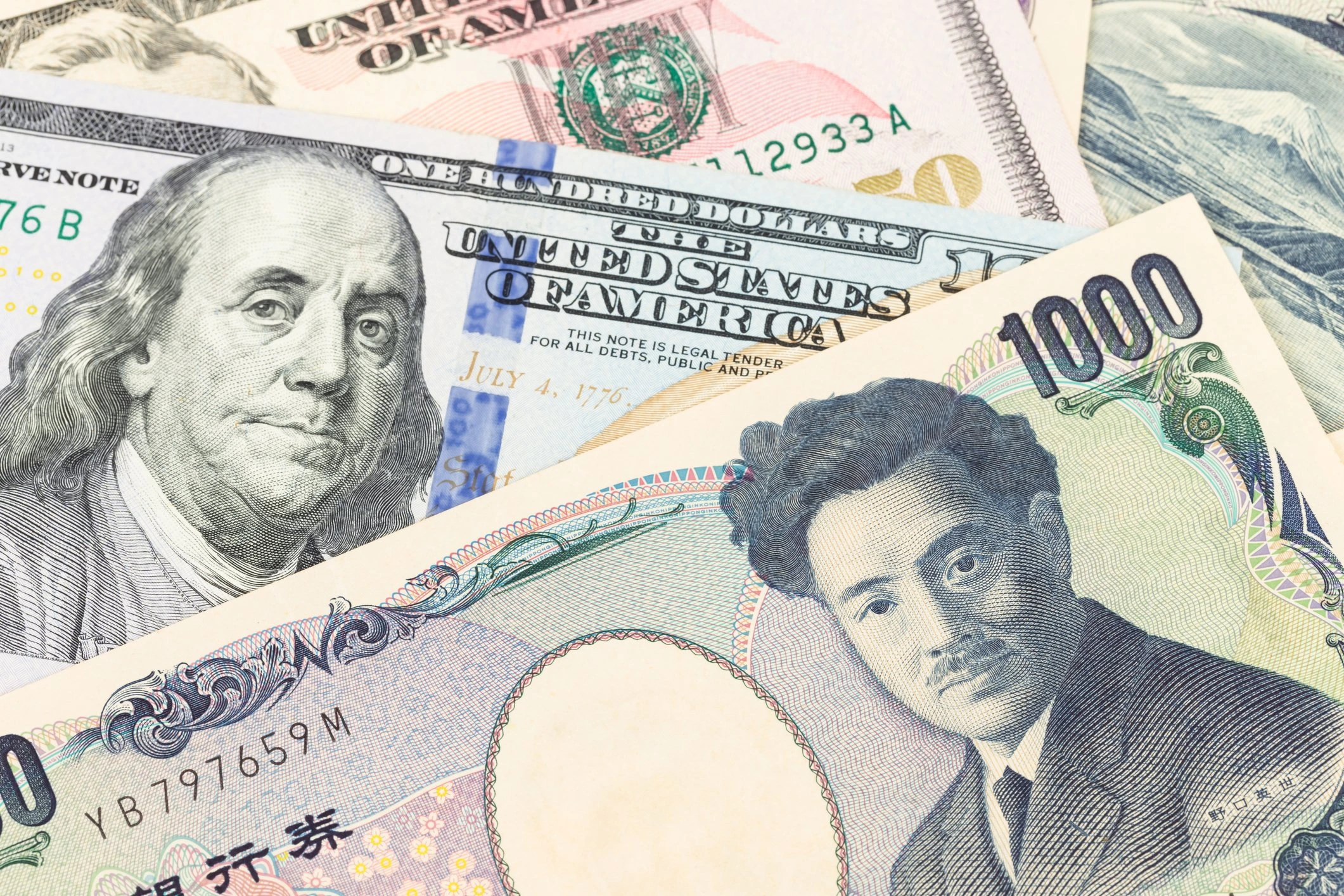
Traders are now watching a specific number to see whether they will do it again.
The Yen – A Rescue Being Tested
A one percent week
The yen headed for its biggest weekly loss in three months on Friday, falling about 1% to around 159.4 per dollar. It has surrendered roughly half the gains sparked by the joint Japanese and American intervention in late July and early August.
Before that intervention it traded near 164, a four-decade low. The retreat mirrors a similar reversal in May, when it also slid back after a round of official buying.
One hundred and sixty
Traders see 160 per dollar as a potential trigger for fresh official action, which is now less than a percentage point away. The currency also fell about 0.8% to 183.91 per euro this week, its largest weekly decline since April.
A market that has identified the level at which a government will act has turned that level into a destination. That is the uncomfortable arithmetic of defending a currency in public.
Intervention – What a Fortnight Proved
Temporary at best
One fixed income strategist put it plainly, arguing that interventions are at best temporary and at worst an invitation for the market to challenge them. Two of the world’s largest treasuries acted together and half the effect was gone within a fortnight.
The yen has been falling for years on a combination of persistently low interest rates and newer concerns about government spending. Neither of those was addressed by buying currency.
Which leaves rates as the instrument
Traders are wagering that either interest rate increases or another round of official buying will be needed to stem the decline. The Bank of Japan meets on the seventeenth and eighteenth of September, with analysts expecting a move to 1.25% from 1%.
Japan’s temperament here is patient to the point of exposure. It has preferred intervention over rate rises for years and is discovering the price of that preference.
Tokyo – Shares Ignoring the Currency
Six percent in a week
The Nikkei rose about 0.7% to around 68,900 on Friday and the broader index gained about 0.7% to a record above 4,200, both extending a rally that leaves them up about 5% and 3.5% for the week. Technology led, with Shift up 6.7%, Nintendo 6.6% and Sony 5.4%.
The move followed subdued American inflation data, which prompted traders to scale back expectations of a Federal Reserve increase in September. Markets now price around a 35% chance, down from 55% a week earlier.
A weaker currency is not the same as a healthier one
Japanese exporters benefit from a weaker yen, which is much of why shares rise as the currency falls. Japanese households and importers pay for it, and producer prices at 7.2% show where.
A record equity index and a currency nearing intervention levels are the same fact seen from two sides. Only one of them appears in the shopping bill.
Two of the world’s largest treasuries bought yen together in late July, and by mid-August the market had taken back half of it and identified 160 as the level that would bring them back — a defence that has become a target.
Seoul – Five Sessions of Foreign Buying
Three trillion won
Korea’s main index jumped 164.60 points, or 2.42%, to 6,977.94, extending its winning streak to five sessions and briefly moving back above 7,000. Foreign investors bought a net 3.03 trillion won of shares.
Semiconductor companies led the advance as enthusiasm around artificial intelligence and chip demand returned. It is a substantial recovery for a market that had spent seven consecutive weeks falling.
Bought rather than believed in
Five straight sessions driven by foreign net purchases is a different thing from domestic conviction returning. Money that arrives on a chip cycle leaves on one.
The Korean mood is relief rather than confidence. Nobody in Seoul is describing this as vindication.
Commodities – The Prices Behind Everything
Eighty-seven and four thousand three hundred
Brent crude traded around 87 dollars a barrel and West Texas near 81, keeping energy costs elevated despite easing from recent highs. Gold sat around 4,380 dollars an ounce after pulling back.
Those levels are the reason Japanese import prices rose 29.1% over the year. A resource-poor economy with a weak currency pays twice.
And the metal Latin America sells
Japanese industry paid 40.6% more for nonferrous metals over the year in July, which the central bank attributes partly to artificial-intelligence demand. That is the same demand Chilean and Peruvian producers serve.
A weaker dollar, which softer American inflation implies, generally supports metal prices. Two of this week’s threads point the same way for Andean revenue.
What This Means From Latin America
A lesson in defending a currency
Japan and the United States intervened jointly, with the full weight of two treasuries, and the market reclaimed half the ground in two weeks. Any regional central bank contemplating intervention should read that timeline before budgeting for it.
The instrument works and its effects decay. The same American fund used to buy yen steadied the Argentine peso less than a year ago.
And a softer dollar helps
Markets now price around a 35% chance of a Federal Reserve increase in September, down from 55% a week ago, which reduces pressure on regional currencies and debt service. That is the most useful thing in this brief for a Latin American borrower.
The caveat is that those odds have already reversed twice this month. Nothing about this repricing is settled.
The Bigger Picture
The yen headed for its biggest weekly loss in three months, falling about 1% to around 159.4 per dollar and surrendering roughly half the gains from the joint Japanese and American intervention of late July. Traders now see 160 as the level that would trigger fresh official action, less than a percentage point away.
Shares ran regardless. The Nikkei rose about 0.7% to around 68,900 and is up about 5% on the week, while Korea’s index gained 2.42% to 6,977.94 in a fifth straight session on net foreign buying of 3.03 trillion won.
For Latin American readers there are two reads. A joint intervention by two of the world’s largest treasuries lost half its effect in a fortnight, which is a lesson in what currency defence buys, and September Federal Reserve increase odds have fallen to around 35% from 55%, which eases pressure on regional debt service.
Asia Intelligence Brief August 14: What We Are Watching
- Ongoing – Whether the yen reaches 160, the level traders identify as an intervention trigger.
- 17 and 18 September – The Bank of Japan meeting, with a move to 1.25% widely expected.
- Ongoing – Whether Japanese authorities intervene again, having seen half the last effort undone.
- Ongoing – Korean foreign buying, which has driven five consecutive sessions.
- September – The Federal Reserve meeting, now priced at around a 35% chance of an increase.
- Ongoing – Nonferrous metal prices, up 40.6% over the year on computing demand.
Go Deeper
The full Asia Intelligence Dossier — the interactive risk dashboard and the six people who matter — is updated daily by the Rio Times Intelligence Desk.
More from the Rio Times Intelligence Desk on August 14: the Africa Intelligence Brief, the Europe Intelligence Brief and the USA & Canada Intelligence Brief. For how these stories developed, see the Asia Intelligence Brief for August 13 and the Asia Intelligence Brief for August 12.
The Big Picture
Asia Intelligence Dossier — the risk dashboard, the people who matter and the full working document
Frequently Asked Questions
How far has the yen fallen since the intervention?
The currency fell about 1% this week to around 159.4 per dollar, its biggest weekly loss in three months, having surrendered roughly half the gains sparked by joint Japanese and American intervention in late July and early August. It was trading near 164, a four-decade low, before that intervention, and also fell about 0.8% to 183.91 per euro this week, its largest weekly decline since April.
What level would trigger another intervention?
Traders identify 160 per dollar as a potential trigger for fresh official action, less than a percentage point from current levels. Market participants are wagering that either interest rate increases or another round of official buying will be needed to stem the decline, with the Bank of Japan meeting on 17 and 18 September and analysts expecting a move to 1.25% from 1%.
Why did Asian shares rise while the yen fell?
Subdued American inflation data prompted traders to scale back expectations of a Federal Reserve increase in September to around a 35% chance from 55% a week earlier, lifting risk appetite across the region, while a weaker yen also benefits Japanese exporters. The Nikkei rose about 0.7% to around 68,900 with technology leading, including Shift up 6.7%, Nintendo 6.6% and Sony 5.4%, and is up about 5% for the week.
What drove the Korean market higher?
The main index jumped 164.60 points or 2.42% to 6,977.94, extending its winning streak to five sessions and briefly moving back above 7,000, with foreign investors buying a net 3.03 trillion won of shares. Semiconductor companies led the advance as enthusiasm around artificial intelligence and chip demand returned, after a stretch of seven consecutive weekly declines.
Sources: Reuters, Reuters via Business Recorder, STL News, Trading Economics
This article was produced by The Rio Times’ automated newsroom system. How we use AI · Report an error
LatAm Markets: Live Signals → — real-time movers, turnover leaders and FX across Latin America.