As U.S. Closes Doors, Migrants Build Lives in Mexico
Official data from the U.S. and Mexican governments and the United Nations show a sharp shift in migration across the Americas since early 2024.
With the U.S. enforcing much tougher border controls and asylum restrictions, the number of people caught trying to cross from Mexico into the U.S. has dropped by over 90% in the last year.
In May 2025, U.S. Border Patrol reported just 12,452 detentions, compared to more than 120,000 a year earlier. Mexico, once mainly a country migrants passed through, is now where many settle.
Mexican authorities say detentions of migrants fell 80% in the first half of 2025, from nearly 600,000 to just over 110,000. At the same time, the number of people applying for asylum in Mexico has remained high.
There are about 250 requests a day, mostly from Central Americans, Venezuelans, and Haitians. The dangerous Darién Gap, the jungle route between Colombia and Panama, saw crossings drop by 98% in early 2025.
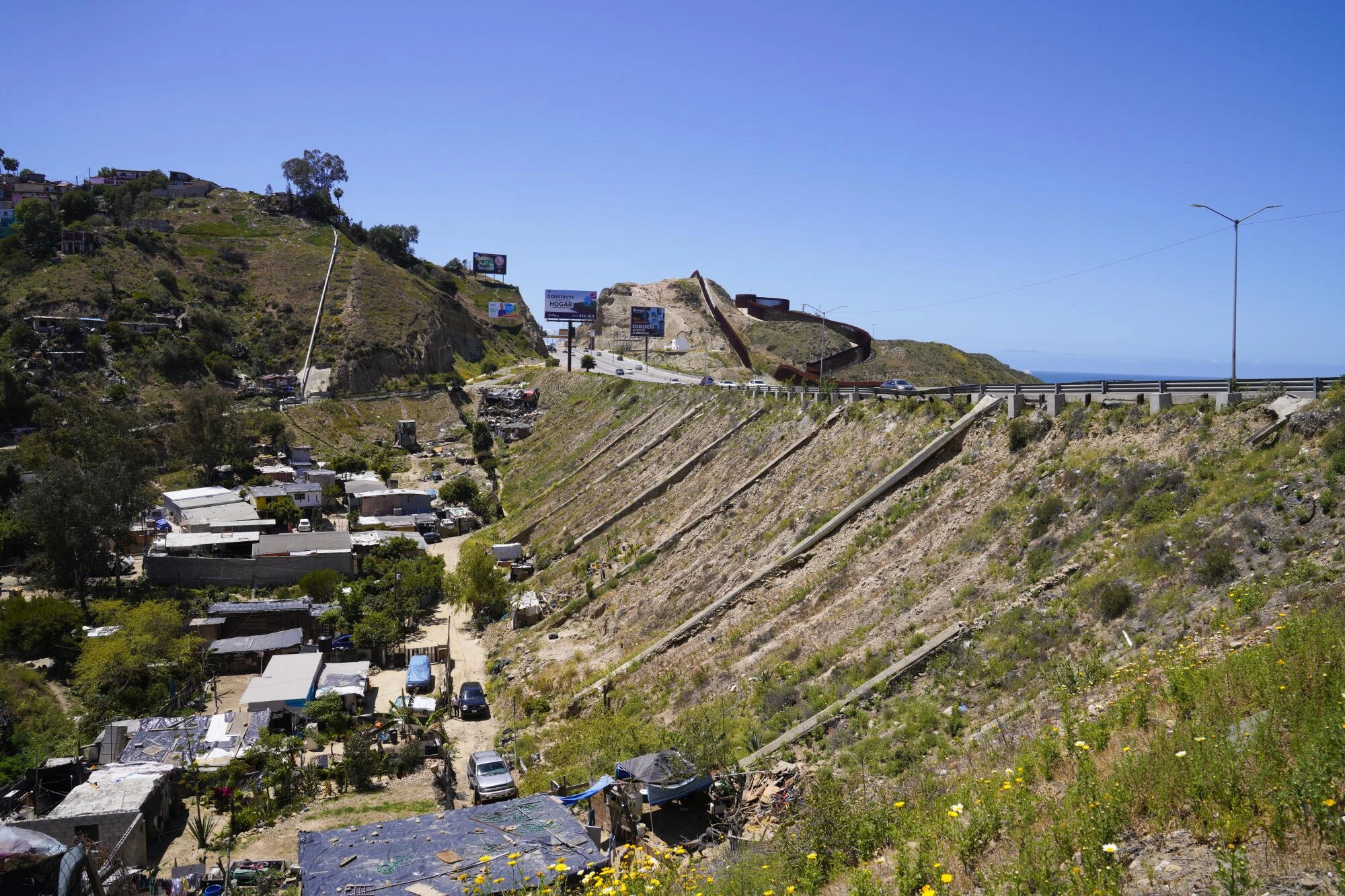
Panama recorded only 2,917 crossings in the first five months of the year, compared to 170,000 in the same period in 2024. With the U.S. border nearly closed, more migrants now see Mexico as their best option.
Mexico Emerges as Migration Destination
United Nations surveys show the share of migrants choosing Mexico as their final destination doubled from 24% to 46% in just a year. Many have found work in construction, farming, and markets, and their children now attend local schools.
This shift brings new challenges. Remittances sent home from the U.S. have started to fall, affecting families and economies in migrants’ countries of origin.
Mexican shelters, once overcrowded, now sit nearly empty, and humanitarian groups scramble to find and help smaller, scattered groups of migrants. Some criminal groups, losing income from migrant smuggling, have turned to other crimes like extortion.
The numbers tell a clear story: U.S. border policies have changed the map of migration in the Americas. Mexico, no longer just a stop along the way, has become a destination.
This new reality means both risks and opportunities for Mexico’s economy and society, as well as for migrants who must now build new lives far from home.
More: Latin America news in English, every day from The Rio Times.
This article was produced by The Rio Times’ automated newsroom system. How we use AI · Report an error · Editorial responsibility: Matthias Camenzind, Editor-in-Chief