IBOV 186,299.96 ▼ 0.16% IPSA 11,426.61 ▲ 0.61% IPC MEX 63,536.96 ▲ 0.25% MERVAL 2,998,979 — 0.00% COLCAP 2,580.80 ▲ 0.59% BVL PERÚ 59,529.36 ▲ 1.61% USD/BRL5.11▲ 0.02% USD/MXN17.31▲ 0.49% USD/CLP946.23▼ 0.32% USD/COP3,199▲ 0.72% USD/PEN3.37▼ 0.16% USD/ARS1,514▼ 0.02% USD/UYU40.06▲ 2.88% USD/PYG5,918▲ 3.14% USD/BOB11.85▲ 25.24% USD/DOP59.00▲ 3.23% USD/CRC445.27▲ 2.84% USD/GTQ7.63▲ 3.24% USD/HNL26.86▲ 3.32% USD/NIO36.62▲ 2.80% USD/VES850.29▼ 0.13% USD/PAB1.00— 0.00% USD/BZD2.00— 0.00% USD/JMD 157.28 — 0.00% USD/TTD6.74▲ 2.48% EUR/BRL5.85▼ 0.81% BRENT 88.88 ▼ 0.03% WTI 83.11 ▼ 0.11% IRON ORE 161.91 — — COPPER 6.61 ▲ 0.03% GOLD 4,461 ▲ 1.78% SILVER 65.59 ▲ 1.26% SOY 1,184 ▲ 3.20% CORN 480.50 ▲ 10.02% WHEAT 655.00 ▲ 3.93% COFFEE 317.25 ▼ 5.51% SUGAR 16.43 ▼ 1.79% ORANGE JUICE 138.55 ▼ 0.47% COTTON 85.03 ▲ 2.33% COCOA 5,719 ▲ 3.18% BEEF 223.60 ▼ 3.93% CATTLE 339.10 ▼ 3.16% LITHIUM 75.20 ▲ 1.47% PETR4 41.64 ▼ 0.05% VALE3 72.97 ▲ 0.83% ITUB4 38.60 ▼ 1.03% BBDC4 16.85 ▲ 0.36% ABEV3 14.89 ▼ 0.80% BBAS3 19.37 ▲ 0.47% B3SA3 14.26 ▼ 0.21% WEGE3 47.59 ▲ 0.49% PRIO3 59.14 ▼ 0.19% SUZB3 41.33 ▲ 2.35% RENT3 34.68 ▼ 0.09% AZZA3 15.89 ▼ 2.63% CSAN3 3.22 ▼ 1.83% RAIZ4 0.25 — 0.00% PCAR3 2.75 ▼ 0.36% GMAT3 3.65 ▼ 1.08% PSSA3 48.13 ▼ 0.54% CVCB3 1.33 ▼ 2.92% POSI3 3.36 ▲ 2.44% SLCE3 13.34 ▲ 0.30% NATU3 8.14 ▼ 0.73% IBOV 186,299.96 ▼ 0.16% IPSA 11,426.61 ▲ 0.61% IPC MEX 63,536.96 ▲ 0.25% MERVAL 2,998,979 — 0.00% COLCAP 2,580.80 ▲ 0.59% BVL PERÚ 59,529.36 ▲ 1.61% USD/BRL 5.16 ▲ 0.01% USD/MXN 17.06 ▼ 0.24% USD/CLP 913.98 ▲ 0.04% USD/COP 3,140 ▲ 0.03% USD/PEN 3.36 ▼ 0.66% USD/ARS 1,493 ▲ 0.10% USD/UYU 40.27 ▲ 1.24% USD/PYG 5,939 ▲ 1.68% USD/BOB 11.64 ▼ 0.76% USD/DOP 58.34 ▲ 1.25% USD/CRC 445.92 ▲ 0.89% USD/GTQ 7.62 ▲ 2.21% USD/HNL 26.79 ▲ 1.57% USD/NIO 36.62 ▲ 0.69% USD/VES 762.44 ▼ 0.13% USD/PAB 1.00 — 0.00% USD/BZD 2.00 — 0.00% USD/JMD 157.28 — 0.00% USD/TTD 6.70 ▲ 0.61% EUR/BRL 5.95 ▲ 1.01% BRENT 88.88 ▼ 0.03% WTI 83.11 ▼ 0.11% IRON ORE 161.91 — — COPPER 6.61 ▲ 0.03% GOLD 4,461 ▲ 1.78% SILVER 65.59 ▲ 1.26% SOY 1,184 ▲ 3.20% CORN 480.50 ▲ 10.02% WHEAT 655.00 ▲ 3.93% COFFEE 317.25 ▼ 5.51% SUGAR 16.43 ▼ 1.79% ORANGE JUICE 138.55 ▼ 0.47% COTTON 85.03 ▲ 2.33% COCOA 5,719 ▲ 3.18% BEEF 223.60 ▼ 3.93% CATTLE 339.10 ▼ 3.16% LITHIUM 75.20 ▲ 1.47% PETR4 41.64 ▼ 0.05% VALE3 72.97 ▲ 0.83% ITUB4 38.60 ▼ 1.03% BBDC4 16.85 ▲ 0.36% ABEV3 14.89 ▼ 0.80% BBAS3 19.37 ▲ 0.47% B3SA3 14.26 ▼ 0.21% WEGE3 47.59 ▲ 0.49% PRIO3 59.14 ▼ 0.19% SUZB3 41.33 ▲ 2.35% RENT3 34.68 ▼ 0.09% AZZA3 15.89 ▼ 2.63% CSAN3 3.22 ▼ 1.83% RAIZ4 0.25 — 0.00% PCAR3 2.75 ▼ 0.36% GMAT3 3.65 ▼ 1.08% PSSA3 48.13 ▼ 0.54% CVCB3 1.33 ▼ 2.92% POSI3 3.36 ▲ 2.44% SLCE3 13.34 ▲ 0.30% NATU3 8.14 ▼ 0.73%
since 2009
Tuesday, September 22, 2026

Argentina’s Trade Surplus with Brazil Ends in August Deficit

By · September 10, 2024 · 2 min read

The LatAm Brief

One email, every weekday morning. What moved in Latin American markets, politics and expat life.

Yesterday’s subject line: “68 strikes, 223 people. A UN expert says murder.”

Free. We send a confirmation link first — nothing arrives until you click it. Unsubscribe with one click in any edition. If you stop opening us for 30 days we stop sending by ourselves, as we assume the interest is no longer there. See our privacy policy. We never share your email.

After five months of surplus, Argentina’s trade balance with Brazil took an unexpected turn in August 2024. The country recorded a deficit of $15 million, marking the end of a positive streak.

This shift occurred despite an increase in exports and a continued decrease in imports from its neighboring country.

The bilateral trade between Argentina and Brazil totaled $2.351 billion in August, representing an 8.5% decrease compared to the previous year.

However, this decline was less severe than in recent months. July saw a 9.5% drop, while June and May experienced steeper falls of 31.6% and 28.1% respectively.

Imports from Brazil reached $1.183 billion in August, a 17.2% year-on-year decrease. Nevertheless, this figure shows improvement compared to July’s 27.8% decline.
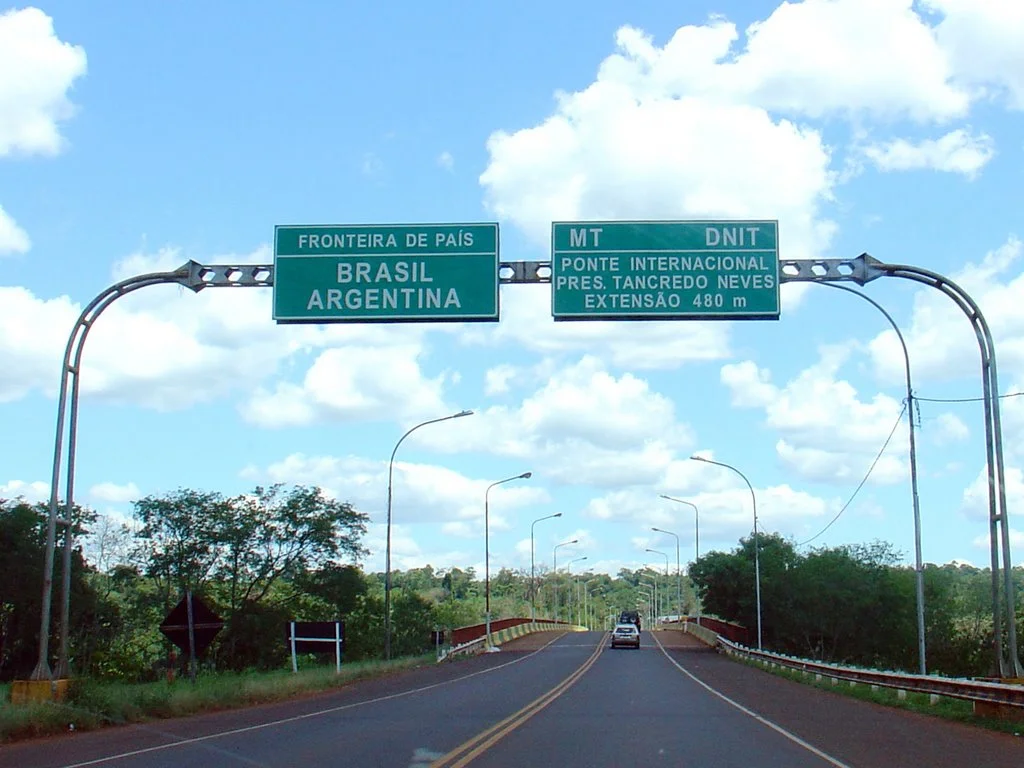
Argentina's Trade Surplus with Brazil Ends in August Deficit.
Argentina’s Trade Surplus with Brazil Ends in August Deficit.
One-stop reference
Company Intelligence
Every listed company in Latin America — financials, ownership and structure for 1,450+ companies across 26 exchanges, in one place.
Browse the directory →
RT
Ask Rio Times
17 years of Latin America reporting, on demand.
Open the full Ask Rio Times →

The automotive sector displayed mixed results. Passenger vehicle imports surged by 92% annually, reaching $184.9 million. Conversely, auto parts and accessories imports fell by 25.6%.

Energy imports presented a contrasting picture. Fuel oil purchases skyrocketed by 688.6% to $53.8 million.

Meanwhile, electricity imports plummeted by 62%, dropping from $72.1 million in 2023 to $27.4 million in 2024.

Argentina’s exports to Brazil grew modestly by 2.5% year-on-year in August, totaling $1.168 billion. This growth rate, however, marks a significant slowdown from July’s 20% increase.

The agricultural sector performed strongly, with wheat and rye exports rising by 53.7% to $52 million. Cheese and curd exports also increased by 48.4% to $23.7 million.

The automotive export sector showed mixed results. Auto parts and accessories exports grew by 27.5% to $35 million.

Passenger vehicle exports increased by 19.3% to $249 million. However, road vehicle exports contracted by 40.2%, amounting to only $3.6 million.

Aluminum exports saw a remarkable surge of 224.7%, jumping from $11.9 million in August 2023 to $38.5 million in 2024. This growth contributed significantly to the overall export figures.

Despite the August deficit, Argentina maintains a positive trade balance of $126 million with Brazil for the first eight months of 2024.

Argentina’s Trade Surplus with Brazil Ends in August Deficit

Exports have increased by 4.6% during this period, while imports from Brazil have decreased by 33.4%.

The recent trade deficit highlights the complex economic relationship between Argentina and Brazil.

It underscores the importance of monitoring trade patterns and their impact on both economies.

As South America’s two largest economies, their trade dynamics have far-reaching implications for regional economic stability and growth.

Looking ahead, experts anticipate continued pressure on imports due to lower economic activity and consumption in Argentina.

However, the recent peso appreciation and reduction in import taxes could stimulate demand in the coming months.

Brazil’s economic growth prospects, estimated at around 2,8%, may also influence bilateral trade dynamics.


This article was produced by The Rio Times’ automated newsroom system. How we use AI · Report an error

Read More from The Rio Times

The Rio Times · Power Map
See who really holds power in Latin America
Click to open the Power Map

Rotate for Best Experience

This report is optimized for landscape viewing. Rotate your phone for the full experience.