Argentina Scraps Claim to Control Vital Sea Lanes with Chile
Argentina’s government alerts Chile it will repeal a 2021 decree claiming joint control over the Strait of Magellan and Drake Passage.
This shift, announced on March 27, 2025, ends a tense dispute rooted in treaties from 1881 and 1984 that grant Chile sole authority over these strategic waters. A new defense policy, now in drafting, will erase the old decree once published.
The Strait of Magellan stretches 570 kilometers, linking the Atlantic and Pacific Oceans, and handles 1,000 ship transits yearly. The Drake Passage opens access to Antarctica. Chile and Argentina hold overlapping claims of 1.25 and 1.46 million square kilometers, respectively.
Chile protested the original decree in August 2021, citing the treaties that secure its sovereignty over the strait’s shores and waters. President Javier Milei, in power since December 2023, drives this reversal amid Argentina’s $2.8 billion military budget and 100% inflation rate.
Chile, with a $5.6 billion defense fund, welcomes the move. It aims to protect its economic stake in Punta Arenas, a bustling maritime hub. Trade between the nations hit $4.5 billion in 2024, fueling Argentina’s retreat from conflict.
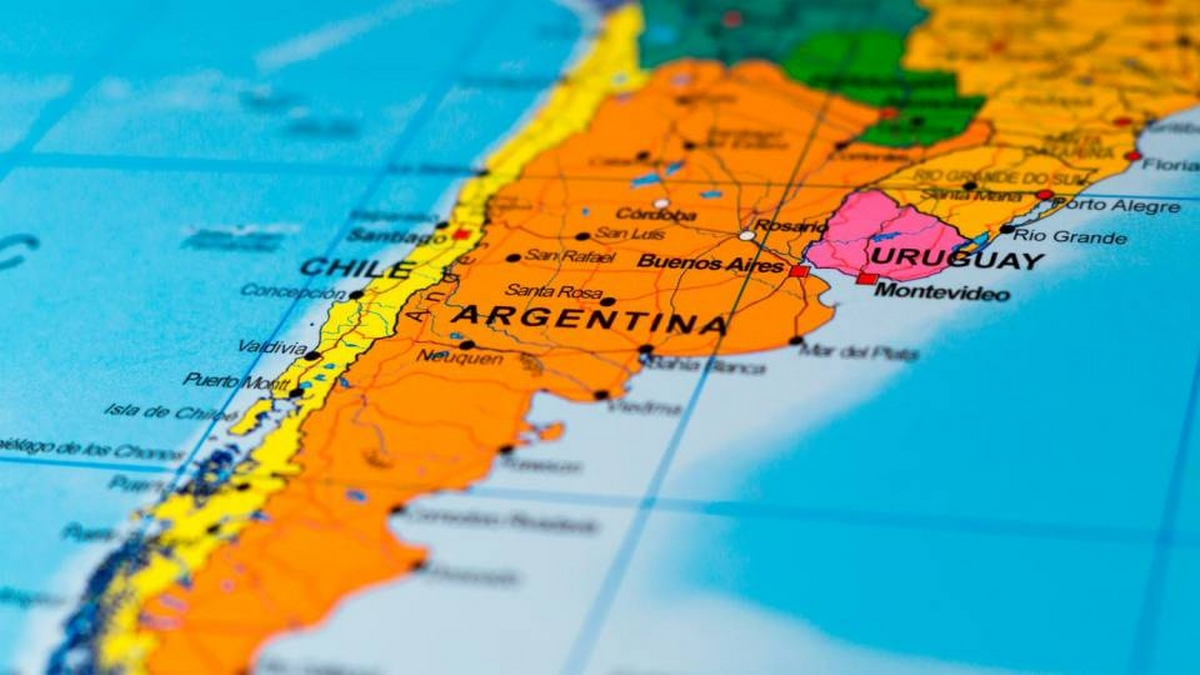
The 2021 decree emerged under Alberto Fernández, who sought influence over Tierra del Fuego’s Ushuaia port, eyeing a $300 million logistics project. Chile saw this as a sovereignty threat, prompting swift diplomatic action.
Argentina’s Pragmatic Shift
Now, Argentina prioritizes stability over ambition, easing tensions along their 5,600-kilometer shared border. This decision strengthens Chile’s grip on key sea routes and Antarctic access, vital for its economy and global standing.
Argentina, facing fiscal strain, steps back to focus on domestic woes, yet keeps the door open for cooperation. Both nations operate Antarctic bases—Argentina with 13, Chile with 9—hinting at future joint efforts.
The story behind the figures reveals a pragmatic choice: Argentina sacrifices a shaky claim to preserve a lucrative partnership. The 1881 and 1984 treaties prevail, guiding two neighbors away from rivalry. Observers note this move stabilizes the region, ensuring the strait and passage remain open for global trade and science.
More: Argentina news in English, every day from The Rio Times.
This article was produced by The Rio Times’ automated newsroom system. How we use AI · Report an error
Read More from The Rio Times