Paraguay’s Export Boom Undone by a Stronger Guaraní
PARAGUAY · ECONOMY
Key Facts
- —What happened: Paraguay’s exporters shipped 27% more goods abroad this year, but a stronger guaraní erased most gains.
- —How big: The guaraní has gained about 24% against the dollar, closing near 5,922 guaraníes per dollar in August.
- —What it means: Exporters get paid in dollars, then convert them into guaraníes, so a stronger currency shrinks earnings.
- —The catch: Beef exporters were hit hardest, as dollar prices climbed 22% but guaraní earnings rose only 6%.
- —Who it affects: A group representing Paraguay’s small and mid-size exporters estimates they lost about a quarter of this year’s gains.
A booming export year is proving less profitable for Paraguay’s shippers, as a surging guaraní quietly erodes their dollar earnings back home.
Paraguay’s export volumes climbed 27% this year, according to Paraguay’s NewsDigitales. But a sharply stronger guaraní wiped out most of that gain in local-currency earnings.
The guaraní has gained roughly 24% against the dollar over the past year. It closed near 5,922 guaraníes per dollar in late August, its strongest level since 2018.
How a Stronger Currency Squeezes Exporters
The swing marks a sharp reversal from prior years, when the guaraní often weakened against the dollar. Exporters had grown used to those gains cushioning their local costs.
Exporters get paid in dollars, then convert those dollars into guaraníes at home. A stronger guaraní means every dollar buys fewer guaraníes there.
Paraguay’s central bank has largely let the exchange rate move on its own. It has avoided selling dollars to slow the guaraní’s rise this year.
A record soybean harvest flooded the country with export dollars this year. That extra supply of dollars is one reason the guaraní has climbed so fast.
Annual inflation stayed low at 1.6% in July, below the central bank’s 3.5% target. That gives policymakers room to let the currency float instead of raising interest rates.
The central bank held US$11.45 billion in reserves in late August. That cushion lets it avoid stepping into currency markets to defend the guaraní.
The guaraní ranked among Latin America’s best-performing currencies this year. Only a couple of other currencies in the region gained more against the dollar.
Soybeans Soar While Beef Exporters Fall Behind
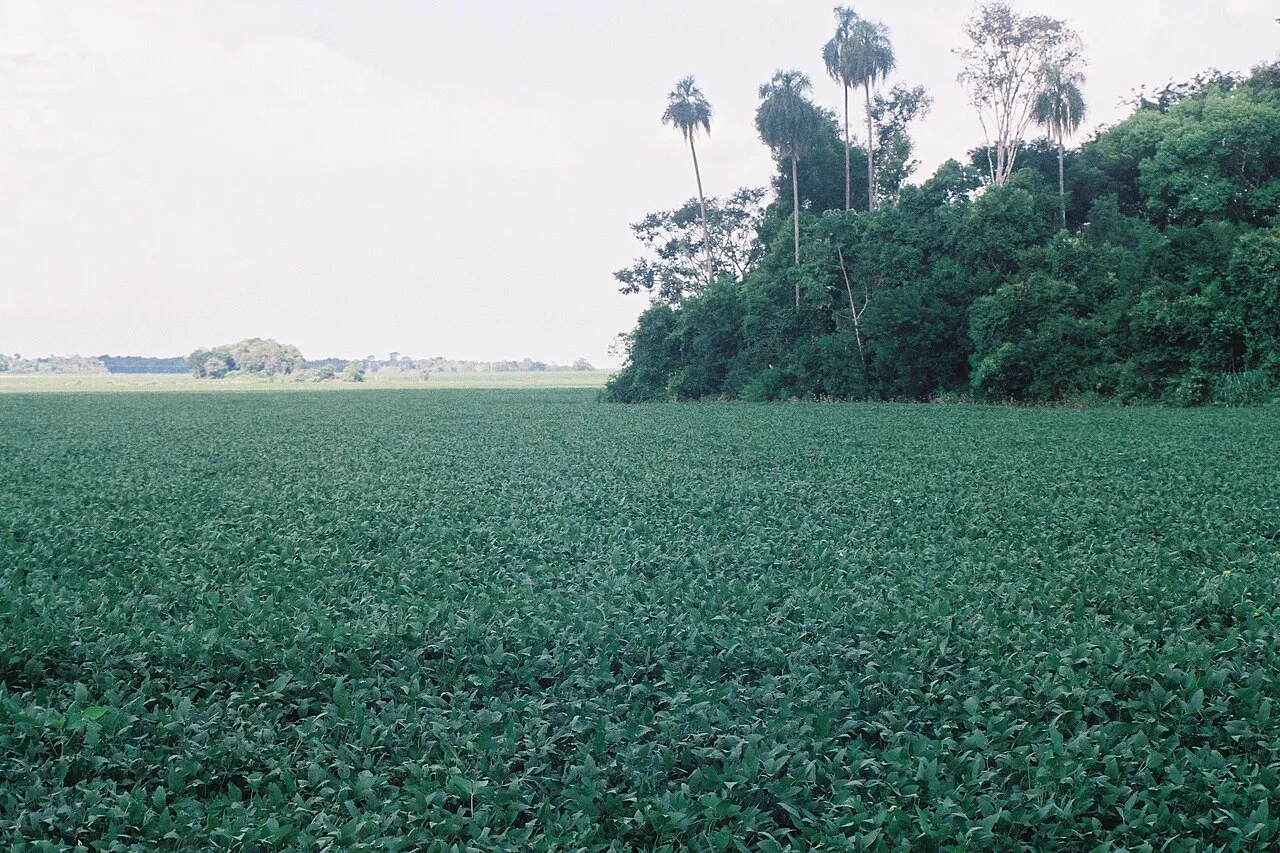
Soybean shipments led the surge, climbing nearly 49% in dollar terms this year. Paraguay shipped a record 6.83 million tonnes of soybeans through July, trade data show.
Soybean meal exports brought in US$1.42 billion during that span. Soybean oil added another US$390.7 million to the total.
Total exports reached US$12.13 billion through July, up 25.2% from a year earlier. Paraguay posted a trade surplus of US$679.1 million, compared with a deficit the year before.
Beef exporters felt it hardest: their dollar prices climbed 22% this year. Guaraní earnings from those sales rose just 6% over the same period.
Global cattle prices climbed as buyers in Asia and elsewhere paid more for beef. That is part of why beef’s dollar prices rose so much this year.
Beef export volumes fell nearly 24% through July. Higher dollar prices only partly offset that drop.
Small Exporters Feel the Pinch Most
Luis Tavella leads a federation of small and mid-size exporters. He said the currency swing has erased about a quarter of this year’s gains.
Hugo Pastore represents Paraguay’s grain exporters. He says the swings make it hard to plan costs for machinery and freight paid in dollars.
A stronger guaraní is not bad news for everyone. Importers now pay less at home for goods priced in dollars.
Central bank economists surveyed in August expect a rate near 6,150 guaraníes per dollar by December. That would still leave the currency far stronger than a year ago.
More: Paraguay news in English, every day from The Rio Times.
Frequently Asked Questions
Why did Paraguay’s exporters lose money even though sales rose?
A stronger guaraní meant every dollar they earned converted into fewer guaraníes at home. That erased much of the gain from higher export volumes.
What is Paraguay’s exchange rate with the US dollar right now?
The guaraní closed near 5,922 per dollar in late August 2026. That was its strongest level since 2018.
Which Paraguayan export was hurt the most by the strong guaraní?
Beef exporters were hit hardest: their dollar prices climbed 22% this year. Guaraní earnings rose just 6% over the same period.
Why has Paraguay’s central bank not intervened to weaken the guaraní?
Policymakers have largely let the exchange rate float on its own this year. Low inflation of 1.6% in July gave them room to avoid propping up the dollar.
Sources: NewsDigitales (Paraguay), The Rio Times Online, Banco Central del Paraguay (Paraguay’s central bank).
This article was produced by The Rio Times’ automated newsroom system. How we use AI · Report an error · Editorial responsibility: Matthias Camenzind, Editor-in-Chief