Argentina: Milei’s 1,000 Days Bring Lower Inflation
ARGENTINA · ECONOMY
Key Facts
—What happened: Javier Milei marked 1,000 days in office on Friday 4 September 2026.
—How big it is: Monthly inflation slowed to 2.1% in July 2026, from triple digits in 2023.
—What it means: Argentina’s economy is stabilizing, but poverty and unemployment remain high.
—The catch: The milestone is symbolic, as poverty and unemployment are still high.
—Who it hits: Argentines feel the pain of austerity, while investors eye new opportunities.
—What comes next: Milei faces a presidential election on 24 October 2027, which will test his record.
Javier Milei passed 1,000 days on Friday. Inflation is down hard, but poverty and joblessness have not followed.

What 1,000 days bought
Javier Milei passed 1,000 days in office on Friday. He was sworn in on 10 December 2023, so day 1,000 fell on 4 September 2026.
Argentine media marked the day with balance-sheet coverage of his term. The milestone is a moment to weigh what changed.
Inflation: from crisis to calm
When Milei took office, inflation was running at over 200% annually. The latest official data shows monthly inflation at 2.1% in July 2026, with 19.3% accumulated so far this year.
Year-on-year inflation was still 33.8% in July 2026. That is down from over 200% but far from single digits.
July’s 2.1% broke three straight months of monthly declines. The slowdown is the government’s central claim to success.
Poverty: a mixed picture
Official INDEC data for the second half of 2025 shows poverty at 28.2% of people in urban areas. That’s down from 31.6% in the first half of 2025.
Poverty spiked in the first half of 2024, hitting 52.9% of people, the worst reading since 2003. It has since fallen, but remains above pre-crisis levels.
Indigence, or extreme poverty, still affects 6.3% of people. That is about 3 million people nationwide.
Unemployment: a worrying rise
Unemployment stood at 7.8% in the first quarter of 2026, according to INDEC. That is slightly below the same quarter of 2025, but up from 7.5% in the final quarter of 2025.
It affects about 1.7 million people. Informality and underemployment both rose, adding to worker insecurity.
The fiscal balance and reserves
Argentina posted its first annual financial surplus in more than a decade, the government’s central boast. The government reports a financial surplus, not just a primary one.
Central bank reserves stand above US$50 billion, up from about US$21 billion when Milei took office. The central bank’s dollar sales have helped stabilize the currency.
Country risk and exchange rate
Country risk, a market gauge of default odds, fell to 493 points on 3 September 2026. It stood in the thousands when Milei took office.
The wholesale exchange rate closed at 1,508 pesos per US dollar on 3 September 2026. The retail rate at Banco Nación was around 1,535 pesos per dollar.
The case for Milei
Supporters point to the sharp drop in inflation and the reduction in poverty compared to late 2023. They argue that the adjustment is working.
They also credit Milei with restoring fiscal discipline and credibility, attracting foreign investment. The economy is showing signs of recovery.
The case against Milei
Critics highlight the social cost: unemployment is up, and indigence still affects over 6% of people. They question the sustainability of disinflation.
Critics say the government leans on projections that read better than INDEC’s own releases. The recovery, they say, is uneven.
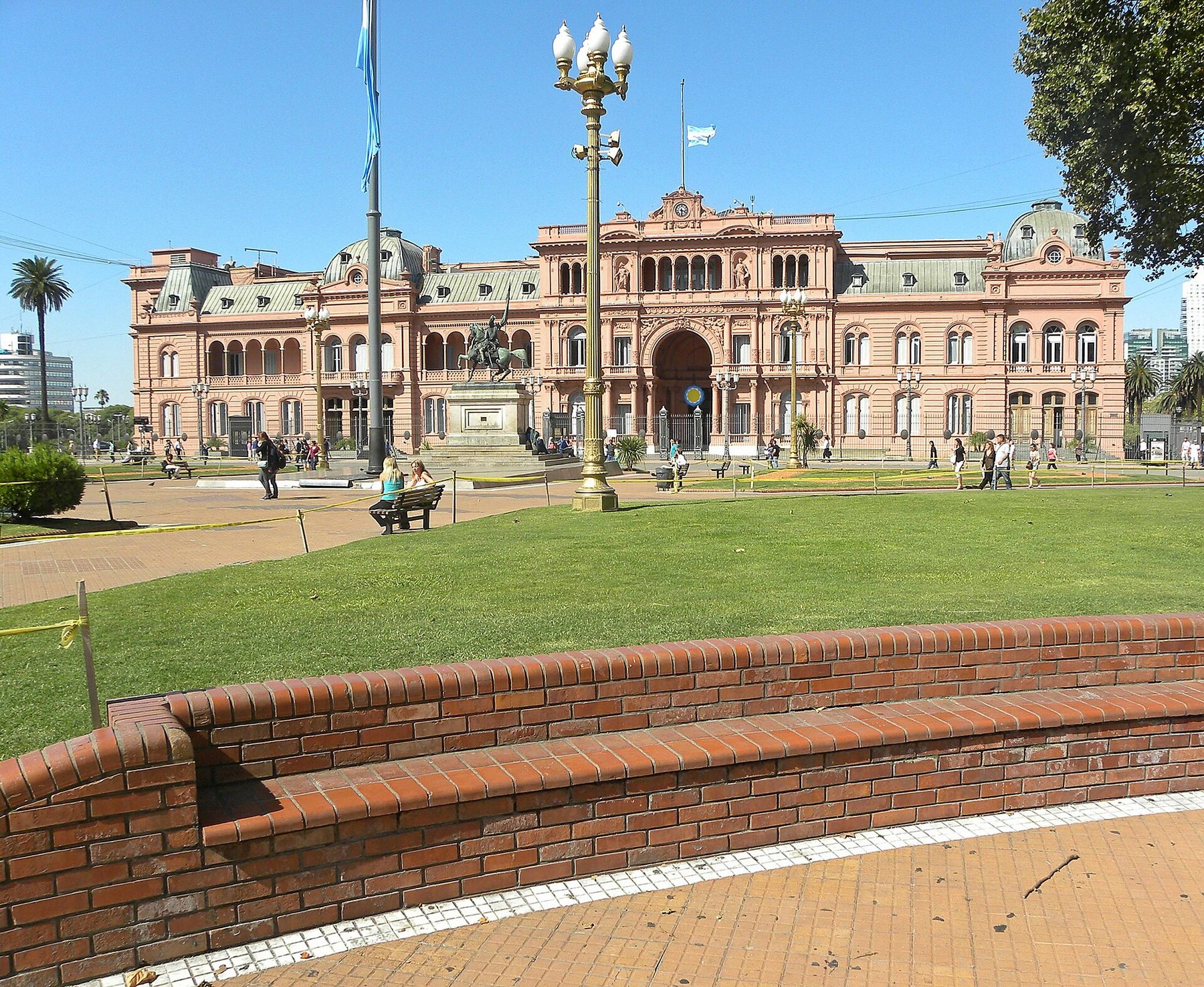
What it means for foreigners
For investors, Argentina is less risky than before, but still volatile. The country risk premium has fallen, making bonds more attractive.
For expats, the cost of living has stabilized, but salaries may not keep up. The exchange rate is more predictable, easing financial planning.
The road ahead
Milei’s term runs until December 2027. He faces a presidential election on 24 October 2027, which will test his record.
A runoff would follow in November if no candidate wins outright. The big question is whether he can sustain the gains and address the social debt.
Background: Argentina’s economic crisis
Argentina has a long history of economic instability, with repeated debt crises and hyperinflation. Economists commonly count nine sovereign defaults since independence.
Before Milei, the Peronist government of Alberto Fernández imposed capital controls and printed money. These policies fueled inflation and eroded savings.
Milei, a libertarian economist, promised shock therapy to fix the economy. He vowed to cut public spending and eliminate the central bank.
His radical approach drew both enthusiasm and fear. Many Argentines were desperate for change after years of decline.
Who is Javier Milei?
Milei is an economist and former television pundit who rose to fame with fiery anti-establishment rhetoric. He won the presidency in a surprise runoff victory.
He is often compared to former US President Donald Trump for his style. But his economic ideas are more radical, inspired by Austrian economics.
Before politics, he taught economics at universities and wrote books. He has no traditional political experience.
His party, La Libertad Avanza, holds a minority in Congress. This forces him to negotiate with other parties to pass legislation.
How Milei’s policies work
Milei’s main tool is fiscal austerity, cutting government spending to eliminate the deficit. He has reduced subsidies on utilities and transportation.
He also devalued the peso and removed price controls, letting markets set prices. This caused a spike in prices early on.
His government has been selling dollars to stabilize the currency. This has helped reduce inflation but drained reserves.
He has also pursued deregulation, removing rules on rents, labor, and trade. These measures aim to boost long-term productivity.
The human impact of austerity
Austerity has hit ordinary Argentines hard, especially the poor and middle class. Cuts in subsidies have raised costs for transport and heating.
Public sector workers have seen wage freezes and layoffs. Many private sector workers have lost jobs as the economy contracted.
Poverty spiked in the first half of 2024, hitting 52.9% of people, the worst reading since 2003. Indigence, or extreme poverty, still affects millions.
The social safety net is thin, with limited unemployment benefits. Many families rely on informal work or community support.
What the numbers do and do not prove
The drop in inflation is real and significant, but it does not mean the economy is healthy. Unemployment is rising, and many people are worse off.
Poverty fell from its peak, but it remains above pre-crisis levels. The government’s projections are more optimistic than official data.
The fiscal surplus is a positive sign, but it comes from deep spending cuts. These cuts have social consequences that may not be sustainable.
Country risk has fallen, but Argentina still faces high borrowing costs. The exchange rate is stable, but reserves are low.
How to interpret Milei’s legacy
Milei’s legacy is still being written, with more than a year left in his term. The 1,000-day mark is a moment to assess progress.
His supporters see a necessary correction after years of excess. His critics see a social cost that is too high.
Both sides have a point. Inflation is down, but poverty and unemployment are still high.
The October 2027 presidential election will be a referendum on his policies. His ability to sustain support will depend on economic recovery.
Frequently Asked Questions
Has Milei really been in office for 1,000 days?
Yes. He took office on 10 December 2023, so his 1,000th day in office was Friday 4 September 2026.
What is the current inflation rate in Argentina?
Monthly inflation was 2.1% in July 2026, with 19.3% accumulated so far this year. Year-on-year inflation was 33.8%.
How has poverty changed under Milei?
Poverty fell to 28.2% of people in the second half of 2025, from 31.6% in the first half. Indigence still affects 6.3% of people.
What is the unemployment rate?
Unemployment stood at 7.8% in the first quarter of 2026, according to INDEC. That is slightly below the same quarter of 2025, but up from 7.5% in the final quarter of 2025.
Is Argentina a good place to invest now?
Country risk has fallen and the fiscal picture has improved. Volatility remains and the social situation is fragile.
Connected Coverage
We have also reported on Bolivia Sends Its IMF Package to Congress.
This article was produced by The Rio Times’ automated newsroom system. How we use AI · Report an error
In depth
Read More from The Rio Times