Antigua Deportee Transfers Capped at 28 a Year in Offer to the United States
Politics · Antigua and Barbuda
Key Facts
- —What happened Antigua and Barbuda published the American request to send it deported migrants, plus its own counter-offer, on 28 September 2026.
- —How big Washington asked for seven people a month; Antigua deportee transfers would instead be capped at 28 a year.
- —The real story The two sides have signed only a non-binding memorandum, dated 19 December 2025, and no final agreement has been reached.
- —The catch Nothing published says what legal status a transferred person would hold on arrival, or whether they could work.
- —What comes next Attorney General Sir Steadroy Benjamin is expected to lay both documents before the House of Representatives.
The Caribbean state has put the American request, and its own reply, into the open. No transfer has been authorised, and nothing has been agreed.
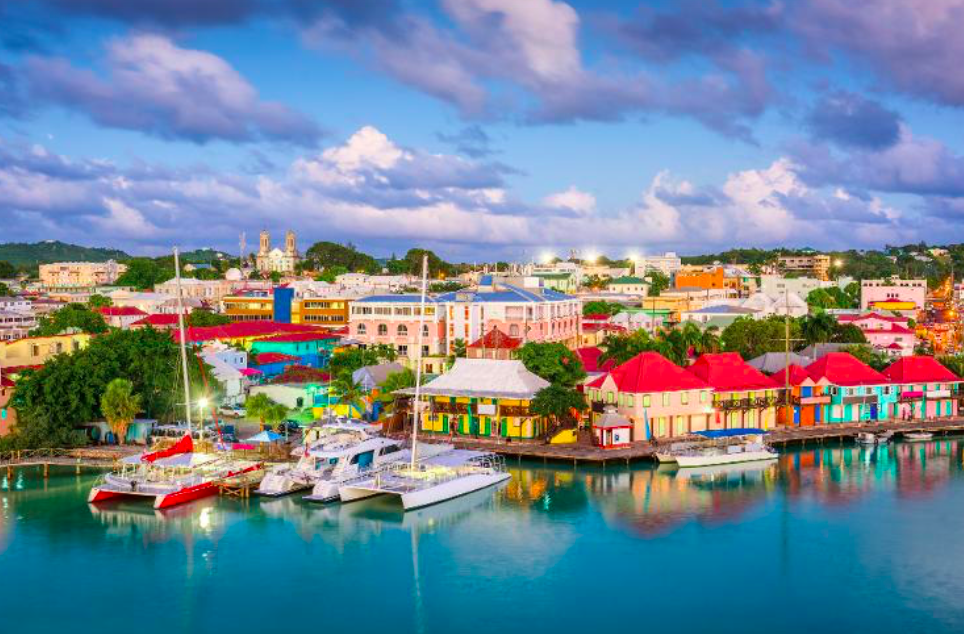
Antigua deportee transfers would be capped at seven people every three months under a counter-offer the government has made public. It published the United States request alongside its own reply on Monday 28 September 2026.
Antigua and Barbuda is a small two-island state in the eastern Caribbean. Washington wants it to take in people it is deporting who are nationals of other countries.
The government says no agreement has been concluded and that talks are still running. No transfer has been authorised, according to its ambassador in Washington.
What the two sides have actually signed
The only signed instrument is a memorandum of understanding dated 19 December 2025. The government describes it in its own White Paper as expressly non-binding.
The memorandum creates no standing programme. It records that the United States may propose transfers and that Antigua and Barbuda may consider them one by one.
A draft of the text was sent anonymously to the Antiguan outlet Antigua News, which published it in January. The copy in circulation carries blank signature blocks.
Taking back its own citizens is a separate matter, and one the country already does. Its White Paper says it took back all five nationals that American immigration enforcement identified between March 2025 and July 2026.
Either side may walk away whenever it chooses. The text asks only that ninety days’ written notice be given through diplomatic channels.
Seven a month, or seven a quarter
Prime Minister Gaston Browne set out the numbers on his weekly radio programme, in remarks reported on 27 September 2026. He said Washington had asked for seven people a month.
He put the counter-offer in his own words: “we’ll take seven per quarter, and that’ll be about 28 in a year.”
Seven a month would come to 84 people a year. Seven a quarter comes to 28, the figure the Prime Minister used himself.
Antigua deportee transfers would therefore stay in single figures in any three-month stretch.
“There’s no question as to whether or not we’re going to take TCN nationals,” Browne said. TCN is the official shorthand for third-country nationals, meaning people who are not Antiguan.
The ceiling is a maximum rather than a promise. Every transfer would need the government’s written approval in advance, and any person could be refused.
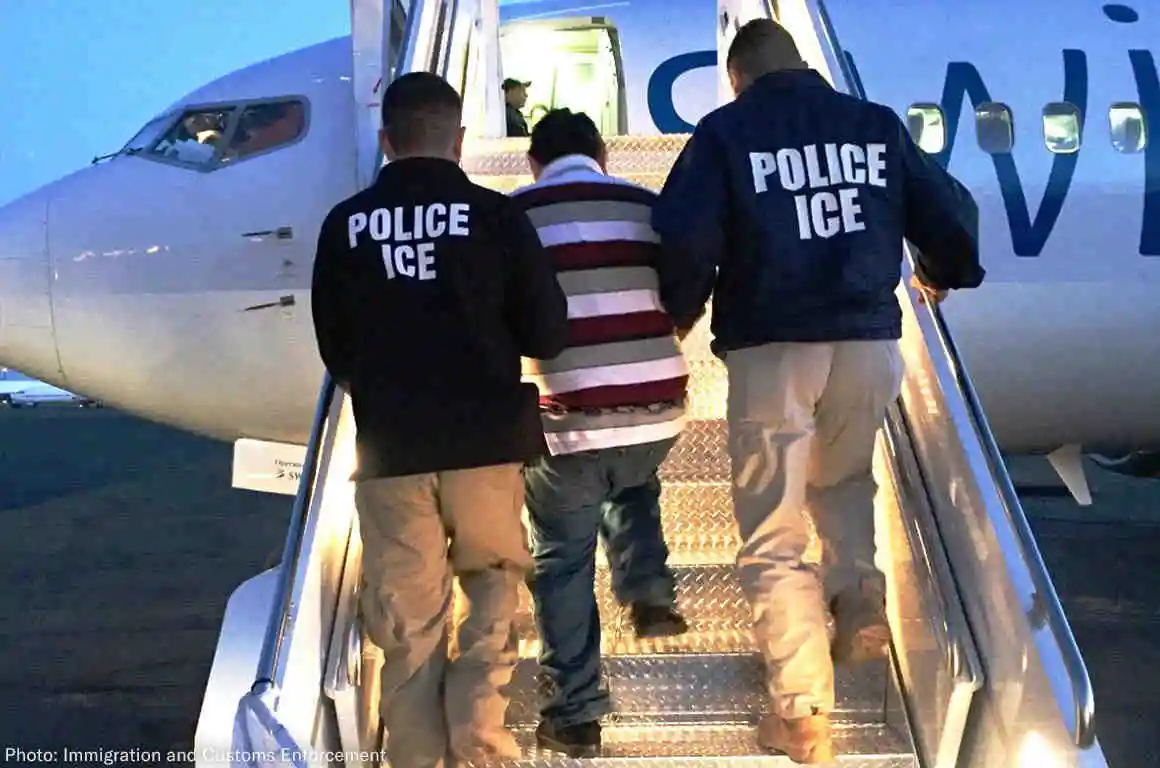
Who would qualify, and why the wording matters
In the White Paper it laid before Parliament in July, the government set out who it would consider. Antigua deportee transfers would be open only to people with a final order of removal.
A final order of removal is one made in United States immigration court. It becomes final when the Board of Immigration Appeals upholds it, or when the appeal window closes.
That board is the federal panel that reviews the decisions of immigration judges. A person with such an order has been through immigration court, and the appeal inside that system has run out.
People subject only to expedited removal would be excluded. That is a faster route, in which an immigration officer orders removal without a hearing before a judge.
Unaccompanied children would also be excluded, and so would anyone with a protection claim still pending in the United States. So would anyone with a criminal record, other than for breaking immigration law.
These limits are Antigua and Barbuda’s own conditions, not American ones. The White Paper says the American drafts had contemplated sending people with expedited removal orders.
Money, and what happens after arrival
Antigua and Barbuda wants the United States to pay for everything. The draft procedures cover housing, food, medical care, documents, transport, interpretation, administration and security.
That support would run until a person left or found a lawful basis to stay. The International Organization for Migration, the United Nations migration agency, would help arrange voluntary returns.
“We don’t wish to be burdened financially by these third-country nationals,” Browne said. The funding terms are the government’s negotiating position, not settled terms.
What a transferred person would legally be on arrival is unresolved. Antigua and Barbuda has no stand-alone refugee law, and asylum claims are handled one by one under its Immigration Act.
The White Paper says there is no statutory framework for long-term status, work rights or a durable outcome.
The opposition, and the rest of the region
Jamale Pringle, the Leader of the Opposition, called the White Paper a description of a “legal trap” in July. He argued that a person who cannot be sent home or back becomes non-removable.
His United Progressive Party demanded that both documents be published, and on 28 September 2026 they were.
Browne told Parliament in July that he would accept visa restrictions rather than take in criminals. “Accepting criminals will destroy our country,” he said.
Other Caribbean governments have moved further. Jamaica signed its own memorandum on 10 June 2026 and completed the operating procedures in September.
Jamaica’s ceiling is 25 people every two weeks, and it treats the arrangement as transit rather than settlement. Its foreign minister, Kamina Johnson Smith, said the full text would not be released.
Guyana received its first six people in early September 2026, Cuban and Afghan nationals. Its foreign secretary, Robert Persaud, said none had criminal backgrounds.
What happens next
Attorney General Sir Steadroy Benjamin is expected to lay both documents before the House of Representatives. Browne has promised that any final agreement will go to Parliament.
Sir Ronald Sanders, the country’s ambassador in Washington, said on 18 September 2026 that no transfer had been authorised. Negotiations are handled by Browne, Benjamin and the Foreign Affairs Minister, Chet Greene.
Antigua and Barbuda has also asked for something in return. It wants blanket visa restrictions on its own nationals lifted, a demand written into the White Paper.
The next round of talks will show whether the two sides can meet. Until then the seven-a-quarter figure is an offer, and not a rule.
More: Caribbean coverage, every day from The Rio Times.
Frequently Asked Questions
Has Antigua and Barbuda agreed to take deportees from the United States?
No. The government said on 28 September 2026 that no agreement has been concluded and that talks are continuing. The only signed instrument is a memorandum of understanding dated 19 December 2025, which the government describes as expressly non-binding and which creates no standing programme. Sir Ronald Sanders, the country’s ambassador in Washington, said on 18 September 2026 that no transfer of any third-country national had been authorised.
What is the difference between a final removal order and expedited removal?
A final order of removal is made in United States immigration court. Under the United States Code it becomes final when the Board of Immigration Appeals upholds it, or when the period for appealing to that board expires. Expedited removal is a faster procedure under the same body of law, in which an immigration officer orders removal without a hearing before a judge. A person in expedited removal who says they fear persecution is interviewed by an asylum officer first.
Who would pay for the people transferred, and could they work?
Antigua and Barbuda’s counter-offer asks the United States to cover housing, food, medical care, documents, transport, interpretation, administration and security, until a person leaves or gains a lawful basis to stay. Those are proposed terms rather than agreed ones. On work, nothing published resolves the question: the government’s own White Paper says there is no statutory framework for the long-term status, work rights or durable outcome of such a person.
Have other Caribbean countries signed similar arrangements?
Yes. Jamaica signed a memorandum with the United States on 10 June 2026 and announced in September that the operating procedures were finished, with a ceiling of 25 people every two weeks and the arrangement treated as transit. Guyana received its first six people in early September 2026. Antigua and Barbuda’s White Paper also names St Kitts and Nevis, Saint Lucia and Belize among states that have entered into or acknowledged understandings with Washington.
Sources: Antigua News on the release of both documents, Antigua News on the seven-a-quarter counter-offer, Antigua News on the funding conditions, the Government of Antigua and Barbuda White Paper of 9 July 2026, the draft memorandum of understanding, Antigua News on the resumption of talks, Antigua News on the opposition response, the Jamaica Information Service on Jamaica’s procedures, the Jamaica Information Service on the Jamaican memorandum, United States Code on when a removal order becomes final, United States Code on expedited removal, Al Jazeera on the first arrivals in Guyana
This article was produced by The Rio Times’ automated newsroom system. How we use AI · Report an error
Read More from The Rio Times