Alibaba Cloud Opens First South American Cloud Region in Brazil
BRAZIL · TECHNOLOGY
Key Facts
- —
What happened China’s Alibaba Cloud opened its first South American cloud region in Brazil on Thursday 27 August. - —
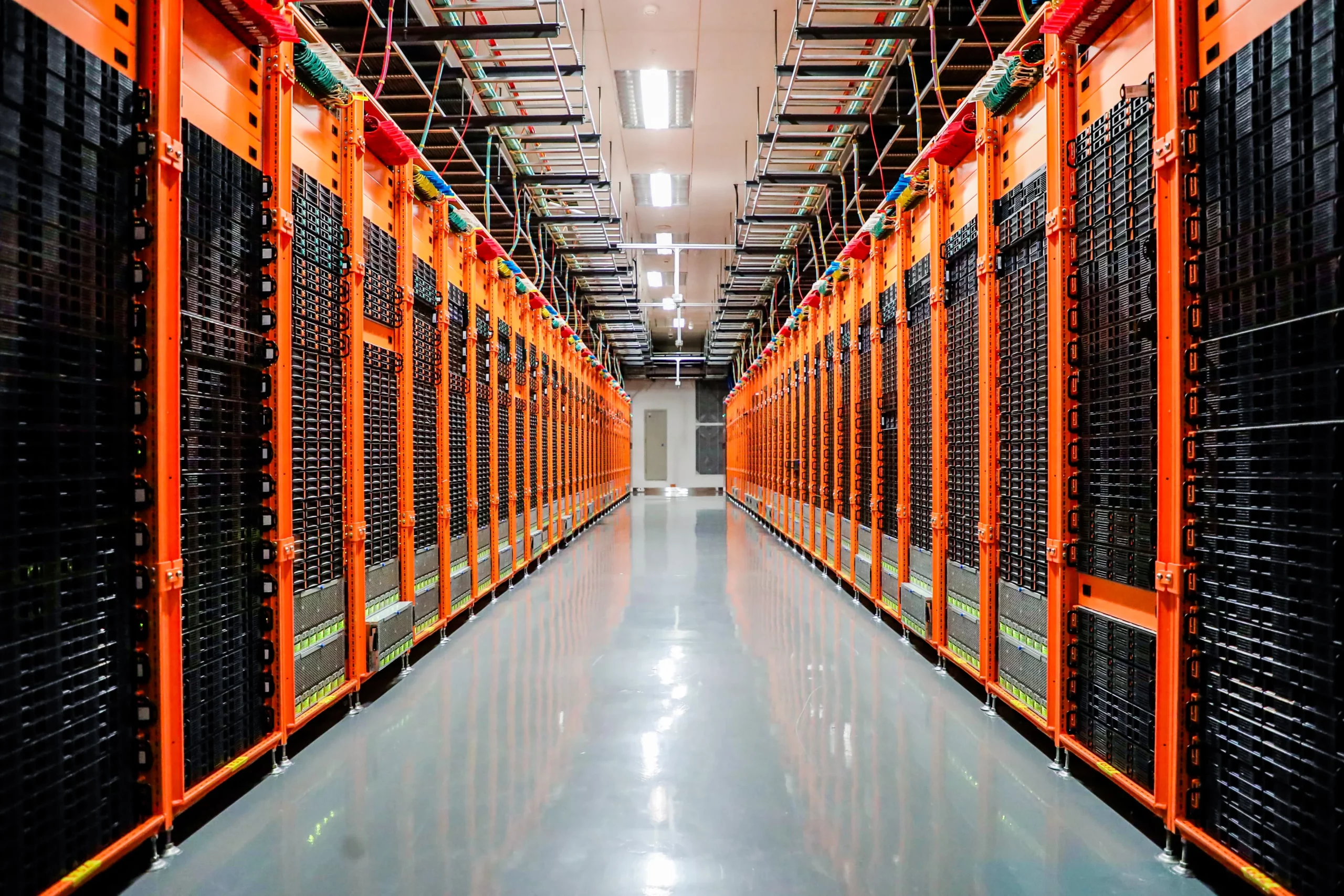
Where The region runs on two new data centres in São Paulo, aimed at artificial intelligence workloads. - —
How big The launch is part of a US$53 billion global Alibaba investment in cloud and AI infrastructure. - —
The catch Industry sources say the initial contracted capacity is modest, with bigger AI loads still under negotiation. - —
Who gains Brazilian firms get local cloud computing with lower latency and data kept under Brazilian rules. - —
What comes next The Redata bill, a tax break for data centres, may reach a Senate vote next week.
Alibaba Cloud opened its first South American cloud region in Brazil on Thursday, with two data centres in São Paulo focused on artificial intelligence. The launch lands days before Brazil’s Senate may vote on Redata, a tax break designed to attract exactly this kind of investment.
What the Chinese cloud giant switched on in Brazil
The Alibaba Cloud Brazil region started operating on Thursday 27 August. It is the company’s first own infrastructure in South America and its second in Latin America, after Mexico.
The region consists of two new data centres in São Paulo. Customers get computing, storage, networking, databases and big-data tools running on Brazilian soil.
The company now runs 106 availability zones in 31 regions worldwide. The Brazil opening follows recent launches in France, Japan, South Korea and Malaysia.
A cloud region matters because distance is delay. Keeping data and processing in Brazil means faster services and compliance with local data-protection rules.
Allen Guo, the company’s general manager for Latin America, called Brazil one of the world’s most dynamic digital economies. The company targets e-commerce, financial technology and AI start-ups as clients.
The artificial intelligence pitch
The data centres are built with artificial intelligence in mind. The company plans to offer Brazilian companies its portfolio of corporate AI agents, software that performs tasks rather than just answering questions.
The tools cover the full life of an AI system, from building and testing to running and securing it. They build on Alibaba’s Qwen family of open AI models.
The global context is a US$53 billion Alibaba commitment to cloud and AI infrastructure. Brazil is one stop in a build-out that spans three continents.
Two Brazilian partners signed on at launch. Technology provider Insi will build solutions for large companies, and open-source specialist 4Linux will work with the Qwen models.
There is a catch worth knowing. Industry sources told BNamericas the initial contracted capacity is not large, and bigger AI power loads of 30 to 70 megawatts are still being negotiated.
The Redata bill waiting in the Senate
The timing is not accidental. Brazil’s Senate may vote next week on Redata, a special tax regime for data-centre services.
The bill, numbered PL 278/2026, passed the Chamber of Deputies in February. It suspends federal taxes on data-centre equipment for five years, in exchange for clean energy use and tax compliance.
The text sat stalled for six months. It returned to the priority list after President Luiz Inácio Lula da Silva met congressional leaders on Wednesday.
Lula has said the regime could attract up to R$500 billion (US$97 billion) in investment. The government estimates a tax cost of about R$5.2 billion (US$1.0 billion) in 2026.
Why Brazil, and why now
Brazil is Latin America’s largest data-centre market and one of its most connected countries. A large online population and a mostly clean power grid make it attractive for AI infrastructure.
Microsoft, Google and Amazon already run cloud regions in the country. Its arrival gives Brazilian companies a fourth global option, this time from China.
More: Brazil news in English, every day from The Rio Times.
Frequently Asked Questions
What did Alibaba Cloud launch in Brazil?
Alibaba Cloud opened its first South American cloud region on 27 August 2026, with two data centres in São Paulo. The region offers cloud computing and corporate AI services hosted on Brazilian soil.
What is the Redata bill?
Redata is a bill that suspends federal taxes on data-centre equipment for five years. It passed the Chamber of Deputies in February 2026 and may be voted by the Senate in the week of 31 August.
Why does a local cloud region matter for Brazil?
Local infrastructure means lower latency and data stored under Brazilian law. It also gives companies an alternative to the American providers that dominate the market.
Sources: Alibaba Cloud statement via Valor and Convergência Digital; BNamericas; Exame and Bloomberg Línea (Redata bill).
This article was produced by The Rio Times’ automated newsroom system. How we use AI · Report an error · Editorial responsibility: Matthias Camenzind, Editor-in-Chief