Africa Intelligence Brief — Monday, June 29, 2026
Executive Summary
Africa Intelligence Brief for Monday: power was tested across the continent — Burkina Faso severed diplomatic ties with France, Senegal's parliament weighed a constitutional rewrite, Uganda's state ringed a newsroom, and South Africa braced for an anti-immigration deadline.
This Monday found power probed from every side across the continent. Burkina Faso tore up its last formal tie to its former colonizer, while Senegal’s parliament moved to rewrite the constitution itself.
In Uganda the state ringed a newsroom, and in South Africa the street set a deadline on who belongs. From Ouagadougou to Dakar to Kampala, the day’s theme was a single one: how far power can reach, and what pushes back.
Today’s Africa Intelligence Brief covers the continent’s politics, economy, and security. We pulled it together from major African outlets in English, French, Arabic, Portuguese, and Swahili.
Burkina Faso — The Last Tie Cut
An Unprecedented Break
Burkina Faso formally severed diplomatic relations with France. The step ends the last institutional tie to its former colonial power.
It is the boldest move yet in a long march away from Paris. Troops, military accords, and French media had already been pushed out.
Sovereignty By Defiance
The rupture caps a strategy of asserting sovereignty through defiance. The country has turned sharply toward new partners and away from the West.
The question now is what such a clean break will cost. Defiance wins applause at home, but the bill tends to arrive later.
Senegal — Rewriting The Constitution
The Charter In Question
Senegal’s lawmakers were summoned to examine a contested bill. It would revise the country’s constitution itself.
The move comes barely a year into a new government’s term. It tests the limits of the power that voters handed it.
A Young Government’s Test
Rewriting a charter is among the gravest acts a parliament can take. It reshapes the rules by which all future power is held.
Voters elected this government on a promise of change. How it wields that mandate will define its early character.
South Africa — The June 30 Ultimatum
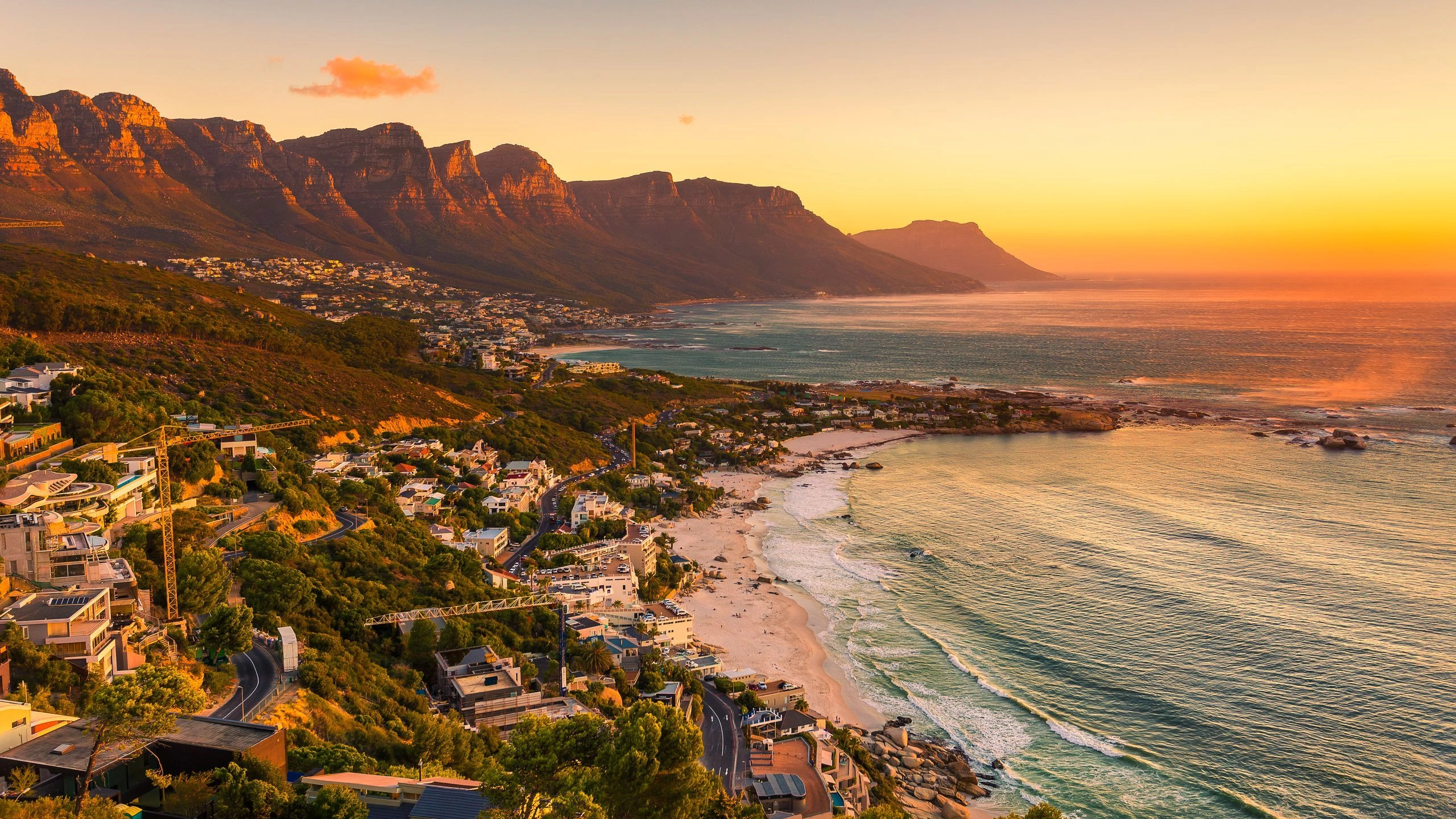
A Deadline From The Street
Anti-immigration groups set a deadline and threatened a national shutdown. They demand action against people living in the country illegally.
The president insisted that the rights of all must be respected. He warned that some groups were exploiting the issue for their own ends.
A Nation On Edge
Police went on alert as the country braced for major protests. The dispute has already coincided with attacks on foreigners.
It is a raw argument over who is allowed to belong. Africa’s most developed economy is wrestling with its own divisions.
Uganda — The Newsroom Surrounded
Troops At The Gate
Armed security personnel ringed Uganda‘s leading independent media house. The siege sent a chill through the country’s press.
It came as the veteran president eyes yet another term in office. The timing pointed to pressure on critical voices before a vote.
A Regional Pattern
The episode fits a wider squeeze on the press across East Africa. In Kenya, the president is locked in a public feud with a media group.
A free press is among the strongest checks on power. When the state rings a newsroom, that check is being tested directly.
Nigeria — One Person, One Identity
A Law For Every Citizen
Nigeria’s leader signed a sweeping digital-identity law. He did so on the day the country marks its democracy.
The act aims to give every citizen a single, verifiable identity. Backers say it will streamline services and the economy.
Reach And Its Risks
Such machinery promises efficiency and cleaner public records. It could widen access to banking, benefits, and services.
But a single identity system also concentrates power over citizens. The same tool that serves can also be used to control.
Ethiopia — Opening The Pumps
A Cautious Loosening
Ethiopia’s central bank cleared foreign investors to import fuel directly. The opening extends to embassies and international organizations.
It is a notable loosening in a tightly controlled economy. The state has long kept a firm grip on such activity.
Control And Reform
The step comes just after a one-party election win. The government pairs cautious economic reform with firm political control.
Loosening the pumps may ease chronic fuel shortages. Whether it signals deeper reform remains an open question.
Nigeria — The Wary Market
A Difficult Second Half
Operators warned that Nigeria’s stock market faces a hard second half. They pointed to rising political risk as a chief concern.
The country is edging toward its next general election. Politics increasingly colours the calculations of investors.
Risk In The Air
An election year tends to unsettle markets across the continent. Capital grows cautious when the political weather turns.
The warning sits beside the day’s louder political dramas. Money, too, is reading how far power means to reach.
The Continent — A Distant Cost
The Fuel-Cost Shadow
A far-off energy shock kept lifting fuel-import costs across the region. Many African economies buy their fuel from abroad.
It is carried here as a single neutral line, a matter of prices, not war. The pressure lands hardest on the continent’s importers.
An Edge, Not A Centre
The shock sits at the edge of the African story rather than its heart. The day’s real drama was written in its capitals.
Still, a high fuel price quietly makes every challenge harder. It is the shared backdrop to a week of contested power.
The Read
The continent spent the day testing the limits on power itself, and how those limits held, in capital after capital, told us much about each nation. The theme was the oldest contest in politics: how far the powerful can reach, and what restrains them.
In Burkina Faso a junta cut the last tie to its former colonizer, and in Senegal lawmakers weighed a rewrite of the constitution, while in Uganda the state ringed a newsroom and in South Africa the street set a deadline on who belongs. Nigeria, for its part, showed that power can build new machinery as well as push, signing a law to give every citizen a single identity that could serve them or survey them.
Beneath it all, a distant energy shock kept lifting fuel costs, a quiet pressure from beyond the continent’s control. The thread of the day was a familiar one: a nation’s health is measured by what restrains its powerful, not by what they seize.
What to Watch
- Today · Burkina Faso formally severs diplomatic relations with France, the deepest Sahel rupture yet
- Today · Senegal’s National Assembly examines a contested bill to revise the constitution
- June 30 · Anti-immigration groups set a deadline and threaten a national shutdown in South Africa
- Today · Armed security personnel ring Uganda’s leading independent newsroom as a vote nears
- June 28 · Nigeria’s leader signs a sweeping digital-identity law on democracy day
- This week · Ethiopia’s central bank clears foreign investors to import fuel directly
- Today · Nigerian market operators warn of a difficult second half amid rising political risk
- Today · A distant energy shock keeps lifting fuel-import costs across the region
This article was produced by The Rio Times’ automated newsroom system. How we use AI · Report an error
LatAm Markets: Live Signals → — real-time movers, turnover leaders and FX across Latin America.