A Megacity’s Safety Net: How Sabesp’s EMAE Deal Strengthens Water Security
Sabesp, São Paulo state’s water utility, has struck two agreements to take control of EMAE for R$1.131 billion ($213 million), a move that would give it 70.1% of the company once regulators sign off.
The deal ties the city’s most important reservoirs to a portfolio of power plants under a single operator, aiming to make water service more reliable while adding a steadier revenue stream.
The structure is simple but telling. Sabesp is buying the voting stake from Vórtx, which acts as fiduciary for debenture holders linked to Phoenix, at R$59.33 ($11) per common share, and a large block of preferred shares from Eletrobras at R$32.07 ($6) per share for R$476.5 million ($90 million), with a possible contingent earn-out.
If closed, Sabesp would control both the hydraulic works around the Billings and Guarapiranga reservoirs and EMAE’s energy assets, led by the Henry Borden hydro complex in Cubatão with 889 megawatts of installed capacity and long-term, inflation-indexed contracts.
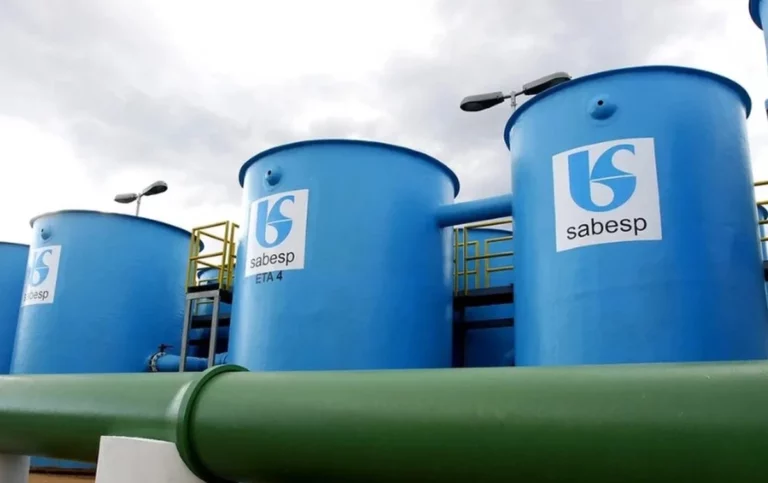
Why this matters beyond Brazil: São Paulo is a megacity that swings between drought and flooding. Putting the reservoirs and related power infrastructure under one roof should make it easier to move and treat water where it is needed most, cushioning shocks to a metro area of more than 20 million people.
São Paulo Utilities Reshape Portfolios After Privatizations
On the finance side, power-plant cash flows can help pay for network upgrades without leaning only on water tariffs. The story behind the story is about balance sheets and policy pivots. EMAE was privatized in 2024, with Phoenix taking control.
Those common shares later backed a debenture issue, and Vórtx moved to sell the pledged stake as obligations came due. Eletrobras, meanwhile, is simplifying its structure and reallocating capital, hence the preferred-share sale.
Sabesp itself raised R$14.7 billion ($2.77 billion) in a 2024 privatization and is now consolidating assets central to the region’s water security.
What comes next is regulation and execution. CADE, ANEEL, and ARSESP must review the transaction, and investors will watch for integration milestones, service reliability, and any tariff impacts.
More: Brazil news in English, every day from The Rio Times.
Live Company IntelligenceCompanhia de Saneamento Básico do Estado de São Paulo – SABESP — the full investor dossier
Valuation & profitability
Price & risk
$23.1752-wk high
$35.32
Revenue trend · 6y
Ownership
Dividend
This article was produced by The Rio Times’ automated newsroom system. How we use AI · Report an error · Editorial responsibility: Matthias Camenzind, Editor-in-Chief