Washington Refused to Renew the USMCA and Started a Ten-Year Countdown
Trade: USMCA Review
Key Facts
—Decision. On July 1, 2026, the United States declined to renew the USMCA “in its current form,” so the pact was not extended for another 16 years, the U.S. Trade Representative confirmed.
—Still in force. The agreement remains fully effective until July 1, 2036. Preferential tariffs, certificates of origin and existing rules are unchanged today.
—Annual clock. The non-renewal triggers yearly joint reviews starting July 1, 2027. Any of the three countries can still withdraw on six months’ notice.
—Talks. USTR Jamieson Greer said U.S.-Mexico bilateral negotiations would continue in the week of July 20, 2026 — the third formal round since late May.
—Sticking points. Washington wants tighter rules of origin — autos already require 75% North American content — and curbs on Chinese inputs in regional supply chains.
The United States refused to extend the USMCA at its first six-year review on July 1, 2026, keeping the trade pact alive but putting the framework that governs most of Mexico’s exports on an annual negotiating clock that now runs to 2036.
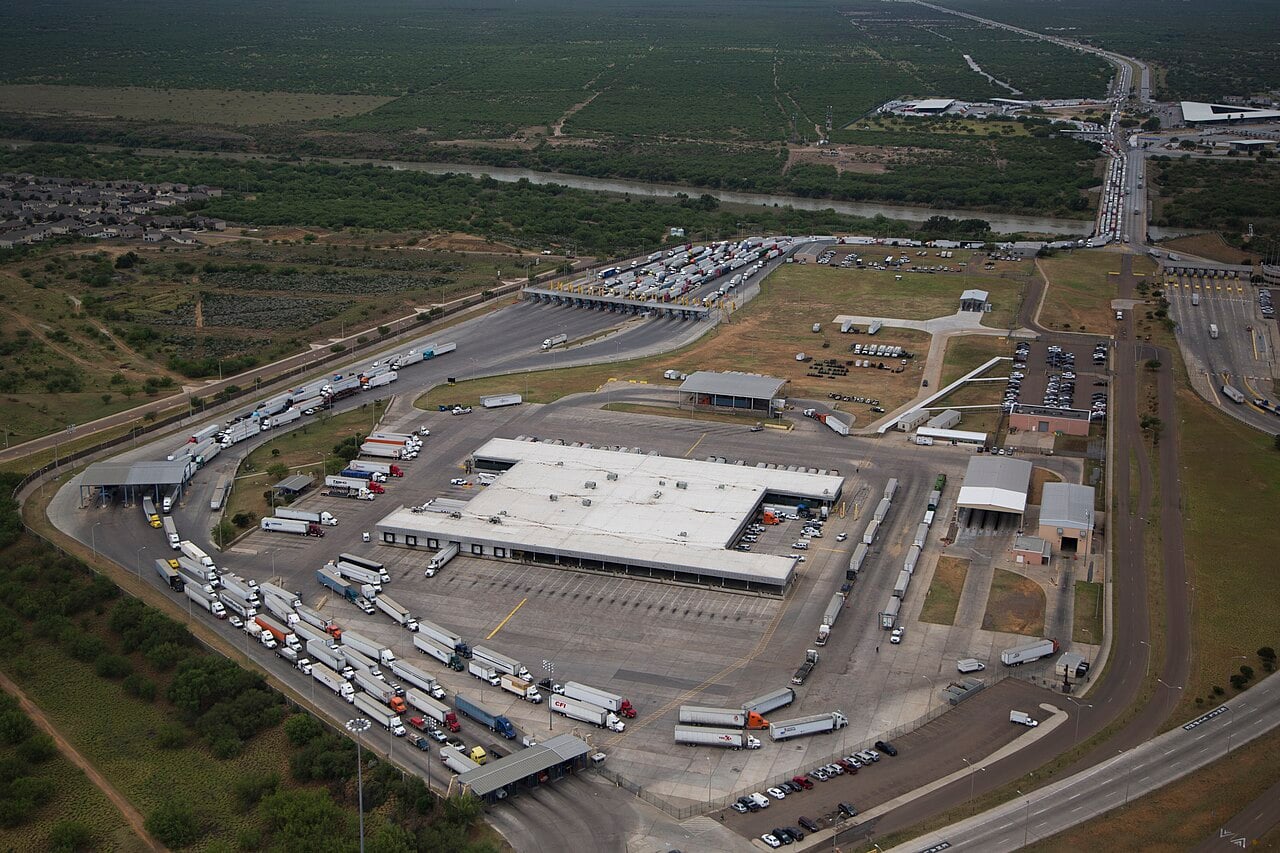
What Washington Actually Decided on July 1
The three governments met virtually on July 1, 2026, for the first mandatory joint review under Article 34.7 of the agreement. At the close of the meeting, U.S. Trade Representative Jamieson Greer issued a statement saying the United States “did not agree to renew the USMCA in its current form,” arguing the administration was not prepared to “rubber stamp” a deal it sees as having substantial shortcomings.
The decision was telegraphed for months. USTR opened a public comment process in September 2025 that drew a large volume of submissions, held three days of hearings in December 2025, and launched the review bilaterally with Mexico in March 2026, scoped to increasing U.S.-Mexico production and limiting non-market inputs in North American supply chains.
Mexico and Canada signaled they wanted the pact extended. Without unanimity, the treaty text leaves the agreement in place but converts the review into an annual exercise — a rolling renegotiation in everything but name.
Why the Agreement Did Not Expire
The USMCA carries an unusual sunset clause. Had all three parties agreed on July 1, the pact would have been extended for 16 years, to 2042. Because one party declined, the agreement instead runs to its original expiration date of July 1, 2036, with joint reviews every year in between.
For businesses, nothing changed on July 2. Goods that qualified for duty-free treatment still qualify, and customs filings remain the same. What changed is the planning horizon: companies building cross-border supply chains now face a decade in which the rules can be renegotiated every twelve months, and in which any party retains the right to withdraw entirely on six months’ notice.
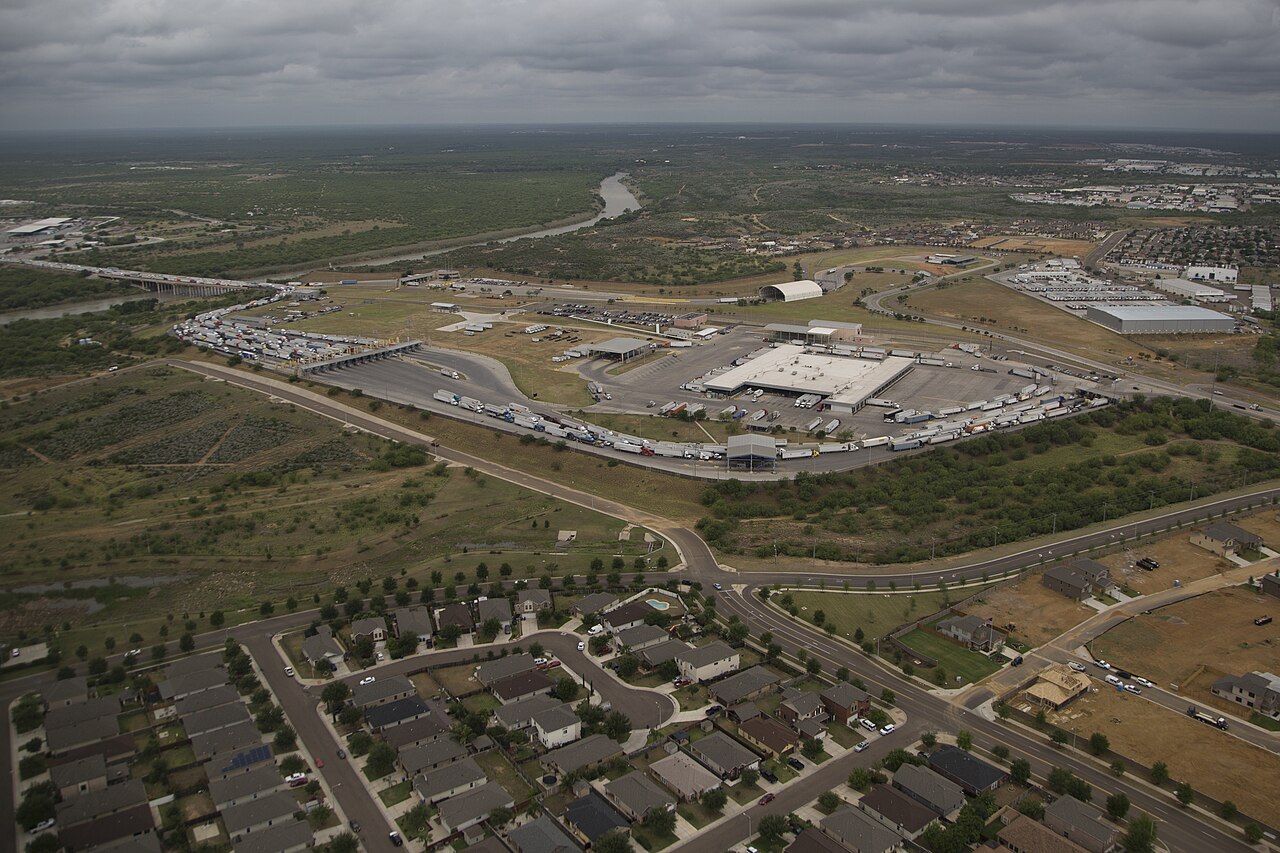
What the United States Wants From Mexico
The U.S. agenda centers on content. The current rules already demand the strictest origin requirements of any major trade deal: 75% regional value content for automobiles, a labor-value rule requiring 40% to 45% of auto content from workers paid at least US$16 per hour, and a requirement that 70% of steel and aluminum come from North America.
Washington now wants those thresholds raised and, above all, wants Chinese-origin components excluded from counting toward them — across sectors, not just in autos. It has also flagged Mexico’s energy policy and enforcement of labor rules as targets for the bilateral track that resumed in the week of July 20, 2026, in Mexico City.
Mexico’s government has framed the talks as a chance to end uncertainty and revive flagging investment, while pressing the U.S. to roll back separate tariffs on steel, aluminum and autos that sit outside the USMCA itself.
What It Means for Mexico’s Export Economy
Mexico’s export model is built on preferential access to the U.S. market, and the refusal to renew removes the assumption that this access is locked in for a generation. Every annual review is now a potential point of leverage — and a recurring date on which investment decisions can be delayed.
Trade analysts at CSIS and law firms tracking the review describe a likely path of gradual tightening rather than rupture: origin rules and enforcement get stricter over several review cycles, while a full U.S. withdrawal stays unlikely because it would raise costs for American manufacturers and consumers overnight.
What Happens Next
The immediate calendar is bilateral. The third round of U.S.-Mexico talks concluded in Mexico City on July 23, and Greer and Ebrard agreed to a fourth round in Washington in early September. Canada is negotiating hard in parallel — Dominic LeBlanc met Greer in Washington on August 11, their third meeting in three weeks, against a deadline of August 19, when 50% Section 338 tariffs on certain Canadian goods take effect. The first annual joint review opens July 1, 2027.
The bottom line for readers watching Latin America: the USMCA did not die on July 1, but it stopped being a settled framework. For Mexico — and for the investors who turned it into North America’s nearshoring workshop — certainty now has to be re-earned every year until 2036.
Frequently Asked Questions
Did the USMCA expire on July 1, 2026?
No. The United States declined to renew the agreement for another 16 years, but the USMCA remains fully in force until July 1, 2036. Tariff preferences and rules of origin are unchanged; and nothing lapsed — the three governments can still confirm the full 16-year extension in writing at any time before the pact expires.
Why did the United States refuse to renew the USMCA?
USTR Jamieson Greer said the administration would not “rubber stamp” the pact, citing trade deficits and shortcomings it wants addressed: tighter rules of origin, limits on Chinese content in North American supply chains, energy access and labor enforcement in Mexico.
When is the next USMCA review?
Annual joint reviews now run every July 1 through 2036, with the first on July 1, 2027. In the meantime, U.S.-Mexico bilateral negotiations continue, with the third formal round held in the week of July 20, 2026.
Connected Coverage
Every round of the review, from Mexico’s 13 demands to the September negotiating calendar, is tracked in our dedicated USMCA hub.
Sources: USTR; White & Case; CSIS; Reuters; Carra Globe.
This article was produced by The Rio Times’ automated newsroom system. How we use AI · Report an error
In depth
Read More from The Rio Times