By Pablo Bizon
RIO DE JANEIRO, BRAZIL – Purmamarca, La Cumbrecita, Sierra de la Ventana, Trevelin or El Chaltén are some of the names that appear most quickly if one thinks of tourist or charming towns that are worth visiting in Argentina.
However, of course, there are many more towns that, because of their rich history, because they are in the midst of spectacular landscapes or for their unique attractions, are well worth a journey of one or several days, that leads to a pleasant and unexpected surprise.
Here, seven proposals from among many others to discover and enjoy, from La Rioja to Tierra del Fuego, from Córdoba to Corrientes.
1. SAN JAVIER AND YACANTO, CORDOBA
Towards the middle of the 16th century, the grounds of the Yacanto ranch were divided into two; in one part the old town remained, in the other the San Javier ranch was created, and all continued at a leisurely pace until the end of the 19th century, when the railway reached the nearby Villa Dolores.

Then the English, who were developing the railway, began to acquire land: for them, Yacanto-San Javier began to be the place of rest and tranquility that is today.
About 220 kilometers from Córdoba capital and 23 from Villa Dolores, in a corner of the Valle de Traslasierra, is such a picturesque region that it surprises with its offer of handicrafts, walks in nature and mountain flavors.
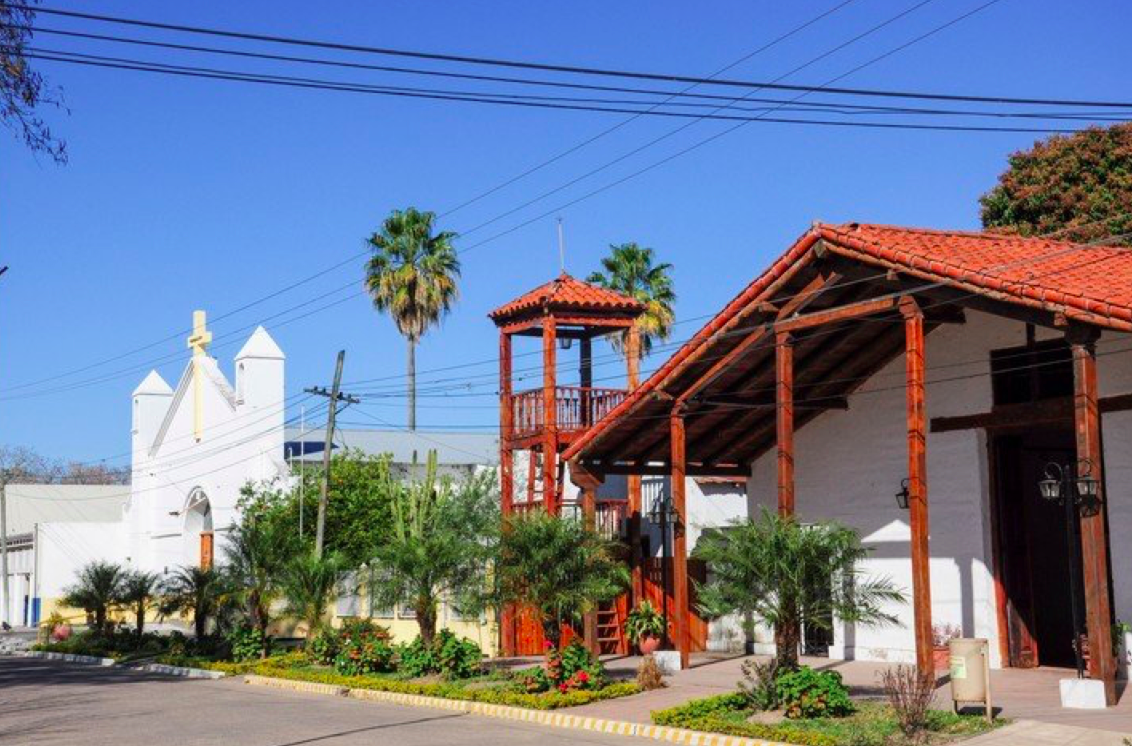
An old church, warehouses and grocery stores are some of the attractions for those who
walk or ride its dusty streets, between adobe ranches and the elegant 19th century English mansion architecture. Artists’ and craftsmen’s workshops and sales outlets share space with producers of artisanal perfumery, organic food, goat cheese, honey, sausages and bakery.
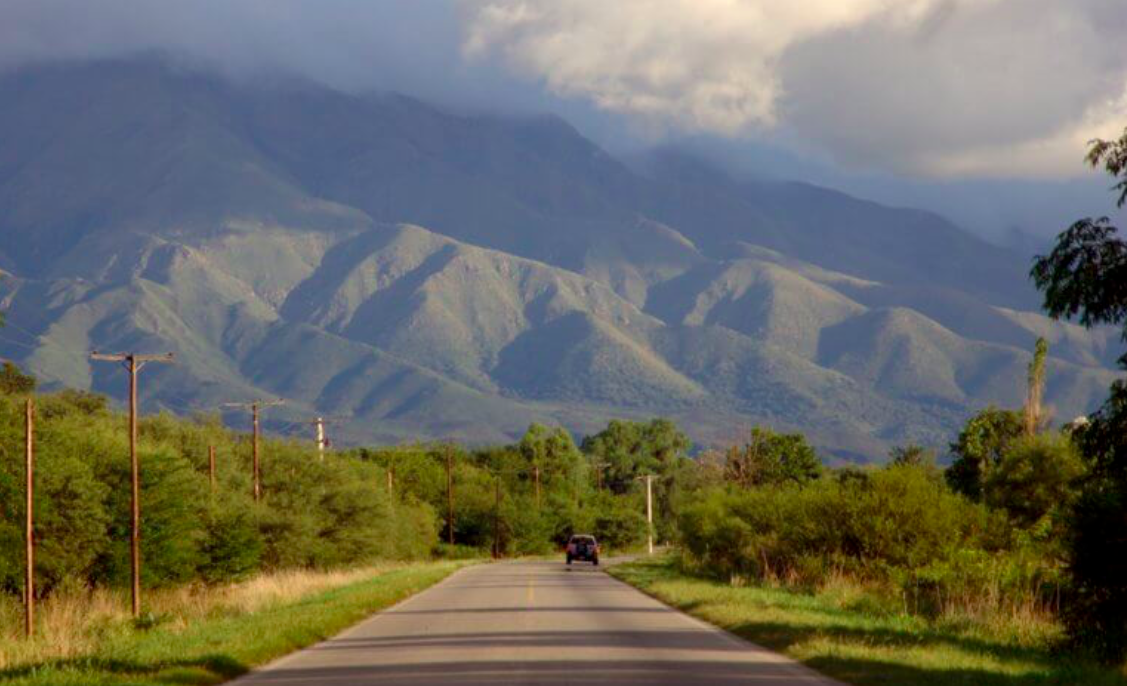
At about 1,000 meters above sea level, in the foothills of the Sierras Grandes, San Javier is also ideal for lovers of walks, since paths start from its streets that go into the nature, between streams and forests.
The Champaquí hill, or “Champa”, which at 2,769 meters above sea level is the highest peak in Córdoba, is a worthwhile challenge: from the top you can’t miss the views of the
valleys of Traslasierra, to the west, and Calamuchita, to the east.
Nor should you miss the walk to the Quebrada de Ambrosio, along a path self-guided that borders the San Javier stream through the native mount, with a great variety of birds, seldom visited corners and pools where you can take a dip if the heat deserves it.
And as a reward, wine cellars such as La Matilde -with a rural inn and gastronomy-, La Noble -of organic and biodynamic crops, or Las Jarillas, which has an inn.
HOW TO GET
• From Buenos Aires it is 880 km: 690 by RN 9 to Córdoba capital, and from there, 190 by the Camino de las Altas Cumbres (RP 34) and RP 14.
• The closest airport is Córdoba (190 km), to which Aerolineas, Jetsmart and Flybondi fly.
• Bus from Retiro to Villa Dolores (Chevallier, San Juan Mar del Plata, 12 hours average), from $6,190 to $7,390.
WHERE TO STAY
In San Javier and Yacanto there is a boutique hotel, inn, resort & spa and mountain cabins,
among other options. And also several restaurants, from traditional to gourmet.
WHERE TO FIND OUT
2. FLORIDA BAND, LA RIOJA
Next to Villa Unión and very close to Cuesta de Miranda, the National Park Talampaya and the provincial park Ischigualasto or Valle de la Luna sanjuanino, Banda Florida is a small village located on the right bank of the Bermejo River, at the feet of the mountains and in the “Corredor del Bermejo”, which integrates Talampaya with the Chiflón and Laguna Brava reserves.
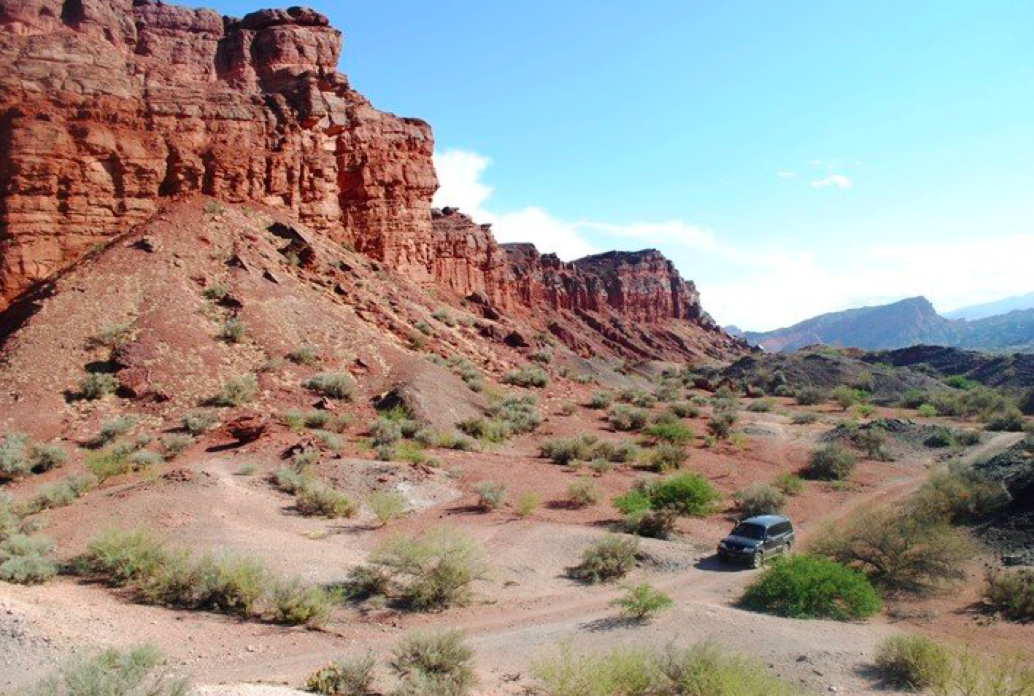
When, in the 18th century, Mr. Alberto Neira took possession of the land in the name of the King of Spain, the place was populated by carob trees, chañares (Lucuma spinosa) and retamos (Genita scorpius), and with the arrival of the first inhabitants fruit trees and vegetables were added.
It was the flowering of these trees that gave the place its name, with fertile soils and traditional constructions, with adobe walls, cane and mud roofs and gardens with fruit trees and vines.
“Welcome to Banda Florida, cradle of poets”, reads the sign at the entrance of the town for
a gravel road that crosses the bed of the Bermejo River. And it is that the place has seen the birth of artists such as Joaquín Neira, writer and journalist; Noto Tejada, luthier and singer; the guitarist Panchito Godoy, singers Pedro “Perico” Neira and Néstor “Zamba” Millicay or the accordionist Moisés Rodríguez.
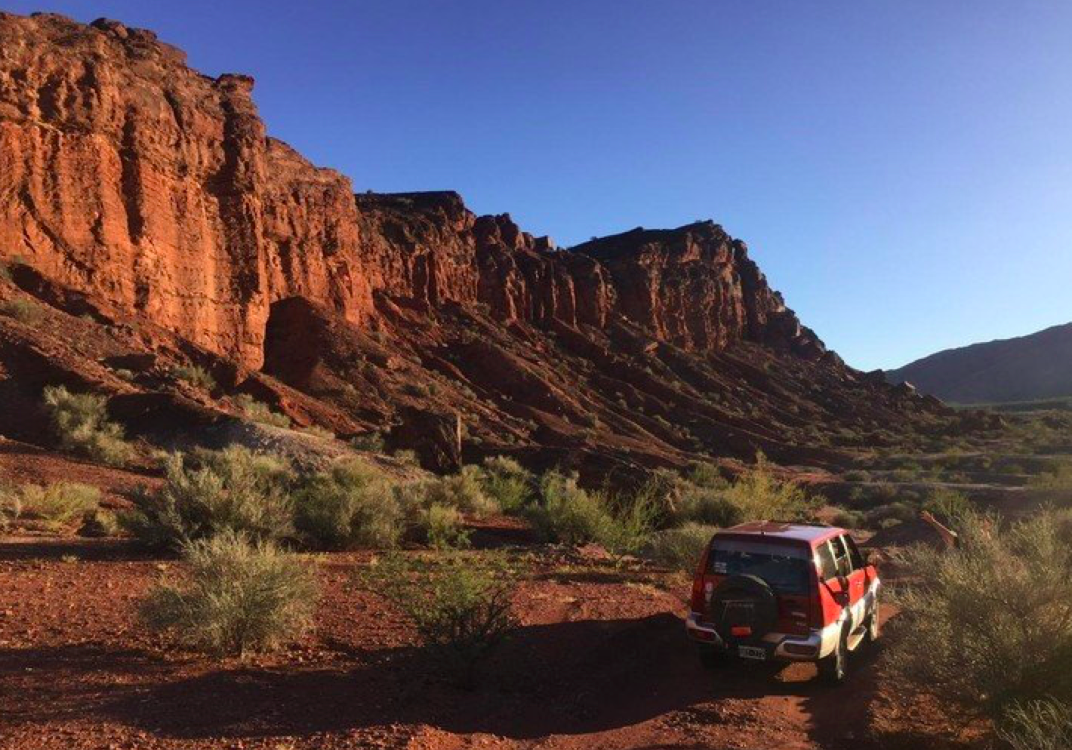
A must-see in the area is the Triassic Canyon, a 4×4 excursion crossing the river Bermejo, with the Nevado de Famatina in sight.
“The Canyon is one of the great prides of the province. There is a daytime excursion and
another at night -3 hours each- and we recommend doing both because they are totally
different”, explains Carlos Francés, president of the Chamber of Tourism of Valle del Russet.
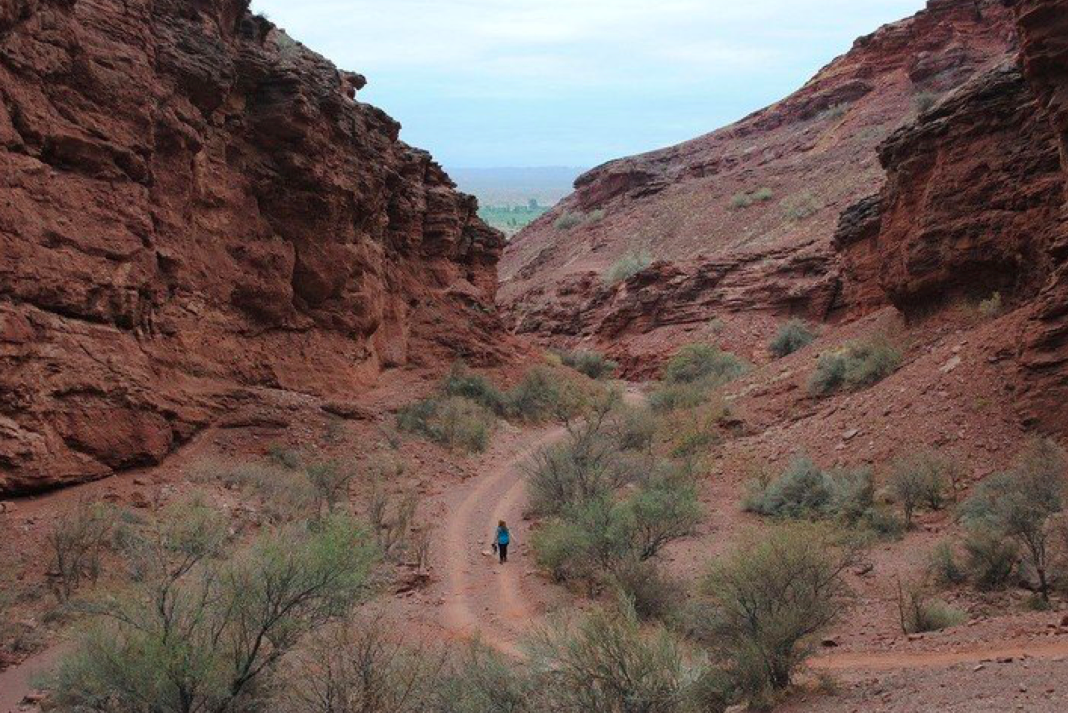
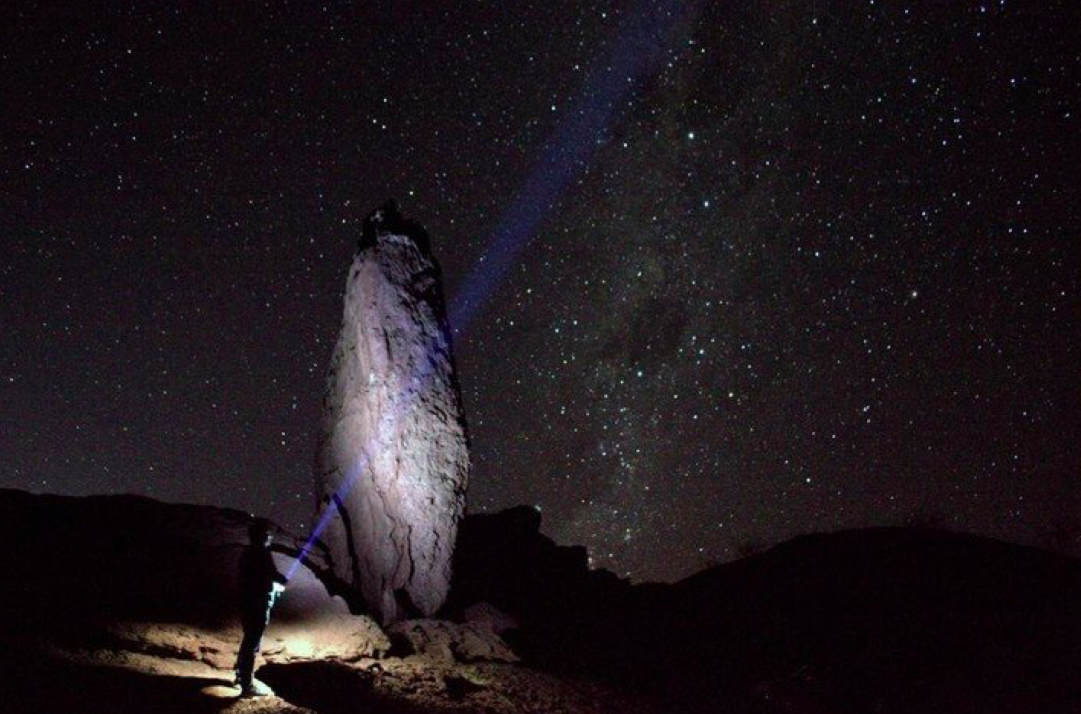
During the day, different posts are visited, such as the “bowl court” and viewpoints, and birds, foxes, chinchillas and hares usually appear on the scene. The night excursion, meanwhile, is for lovers of the firmament: at one point turn off all the lights, and stars, planets and constellations are distinguished, in one of the clearest skies in the world.
There is also hiking, circuits for quadricycles, mountain biking and trekking, in a spectacular setting.
HOW TO GET
• From Buenos Aires it is 1,273 km along RN 9 to Córdoba capital, RP 20 to Carlos Paz, RP 73 and RN 38 to Patquía, and then RN 150 and RN 76.
• The closest airport is La Rioja (278 km), to which Aerolineas Argentinas fly.
• Retiro Bus
WHERE TO STAY
Both in Banda Florida and in neighboring Villa Unión and on Route 76 there are various lodgings; from cabins and inns to hotels, boutique hotels and rural lodgings.
WHERE TO FIND OUT
• (03825) 66 8265
• www.turismovillaunion.gob.ar
• tourism.larioja.gob.ar
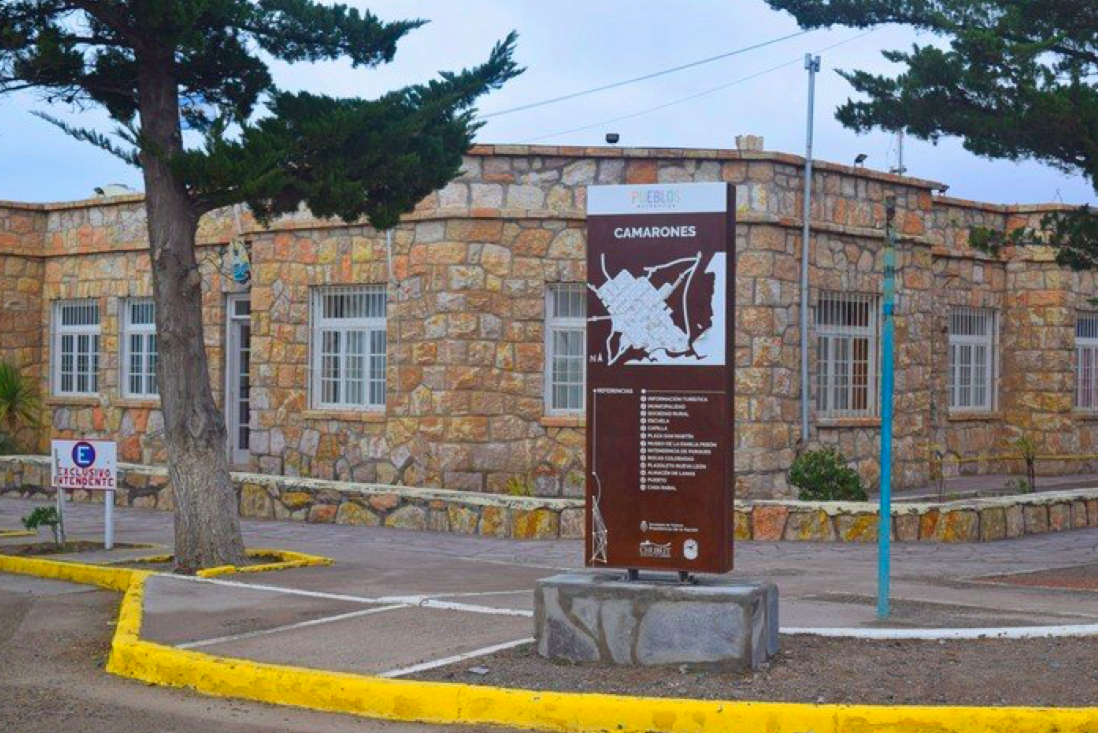
3. CAMARONES, CHUBUT
Flora and fauna watching, diving, nautical excursions, sport fishing, rural tourism,
trekking, seafood gastronomy, photographic safaris and a very particular museum
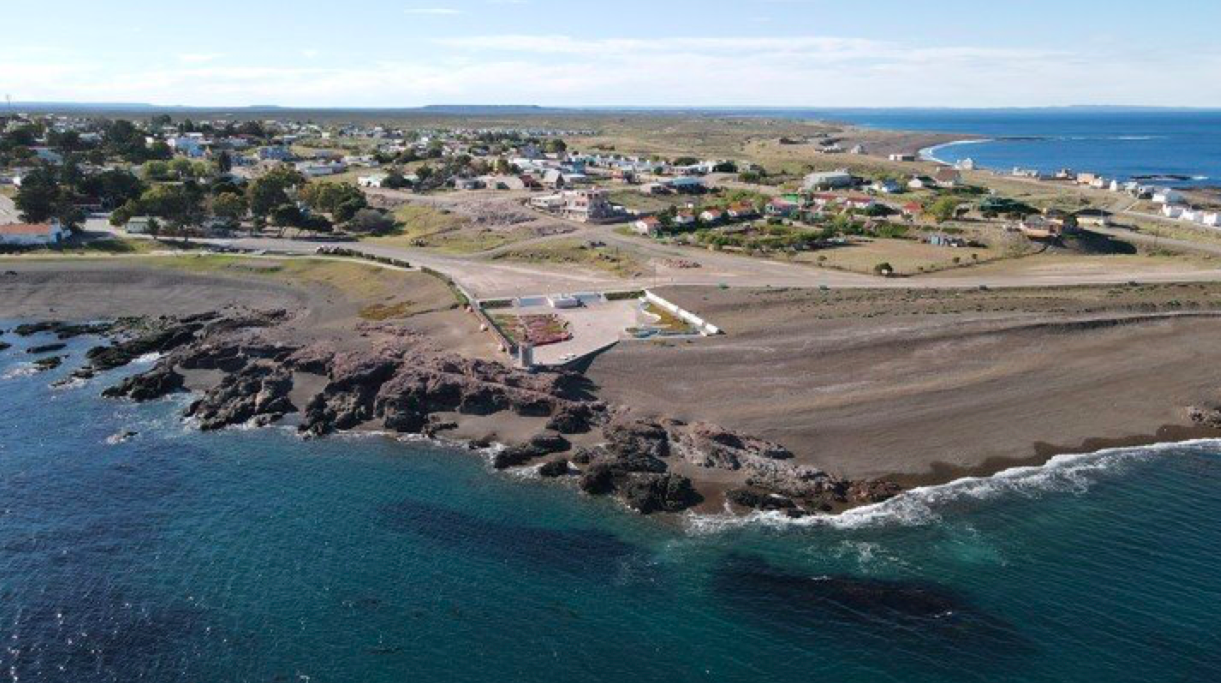
are some of the activities to enjoy in this coastal town located in an environment of surprising beauty.
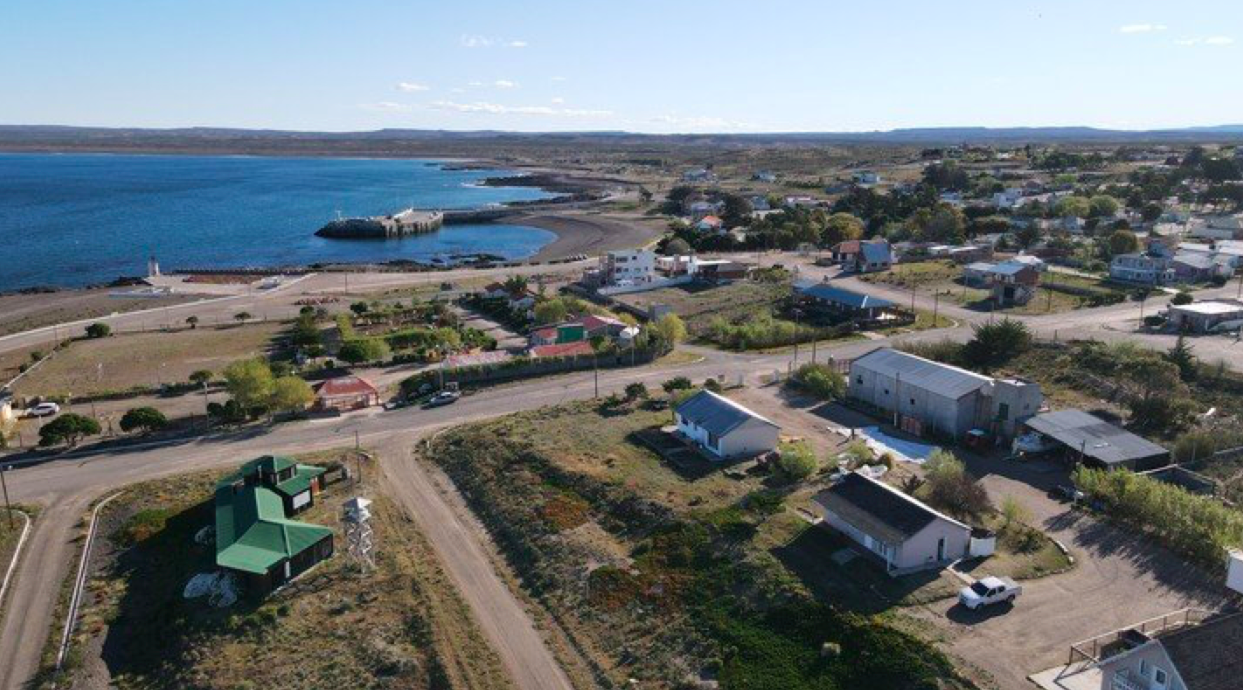
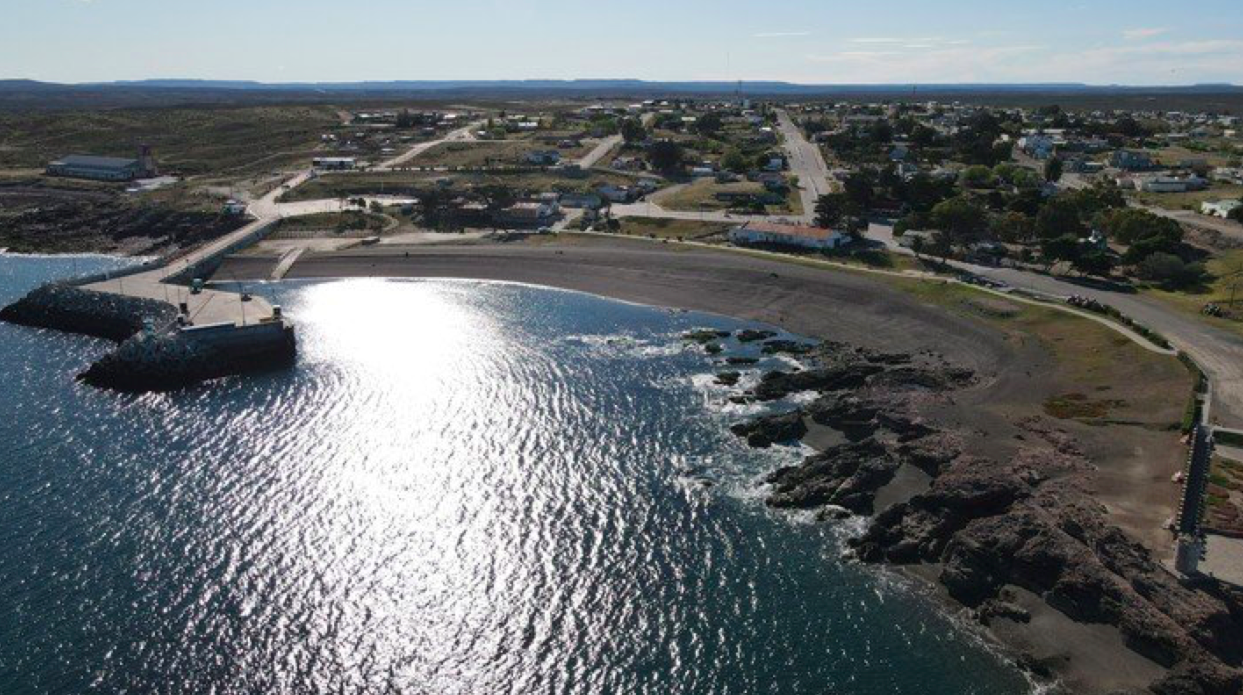
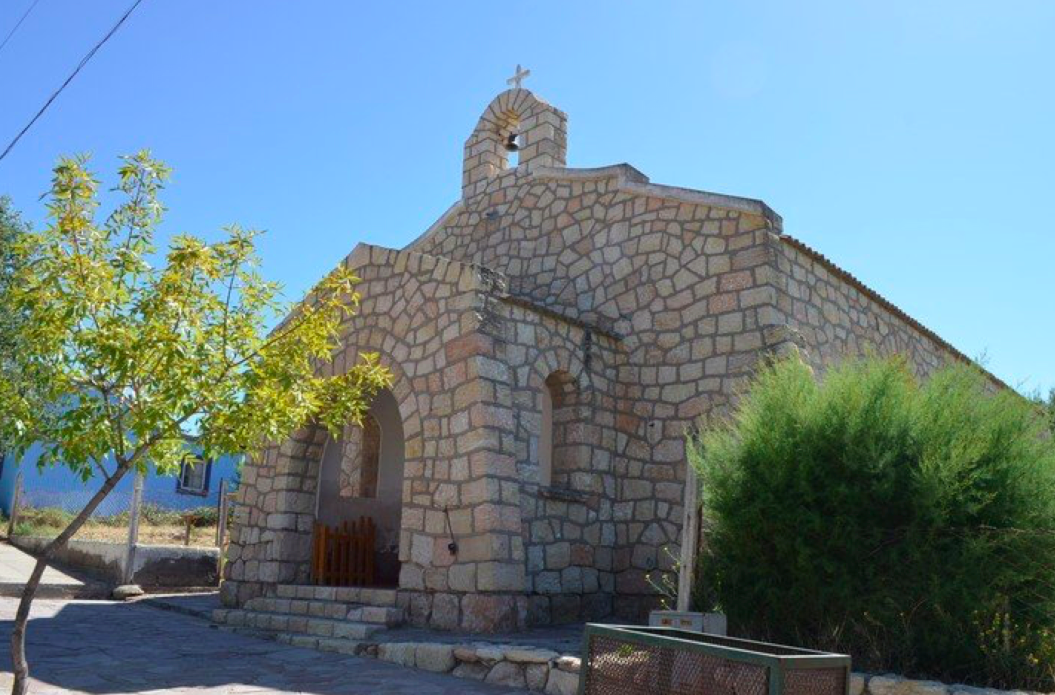
A cross on top of a circular stone tower evokes the first European adventurer who traveled these coasts, the Portuguese Simón de Alcazaba y Sotomayor, back in 1535, who has probably walked the sand and pebble beaches, which alternate with the sandbank where the waves jump, cliffs and reefs full of mussels, clams, octopus and scallops.
It is seen that the landscape captivated the man, who founded “Puerto de los Leones” 29 km from the current Camarones and forced him to swear allegiance to King Carlos V as a brand new Governor of the province of Nueva León.
Time passed and this coastal sector remained on the sidelines of the advance of the modern urbanizations, and today it appreciates it. Recently, due to the richness of the fauna of the place, the Patagonia Coastal Marine Interjurisdictional Park Austral has been created, a protected area that covers more than 100 km of coastline, 42 islands and 500 km2 of Argentine sea.
This coast is cut out by numerous bays and coves which, together with more than forty
islands and islets, consists of unique features within the Patagonian coast. Among species seen there, there are seabirds such as giant petrels, kelp gulls, and imperial cormorants; and also dolphins, penguins and sea lions.
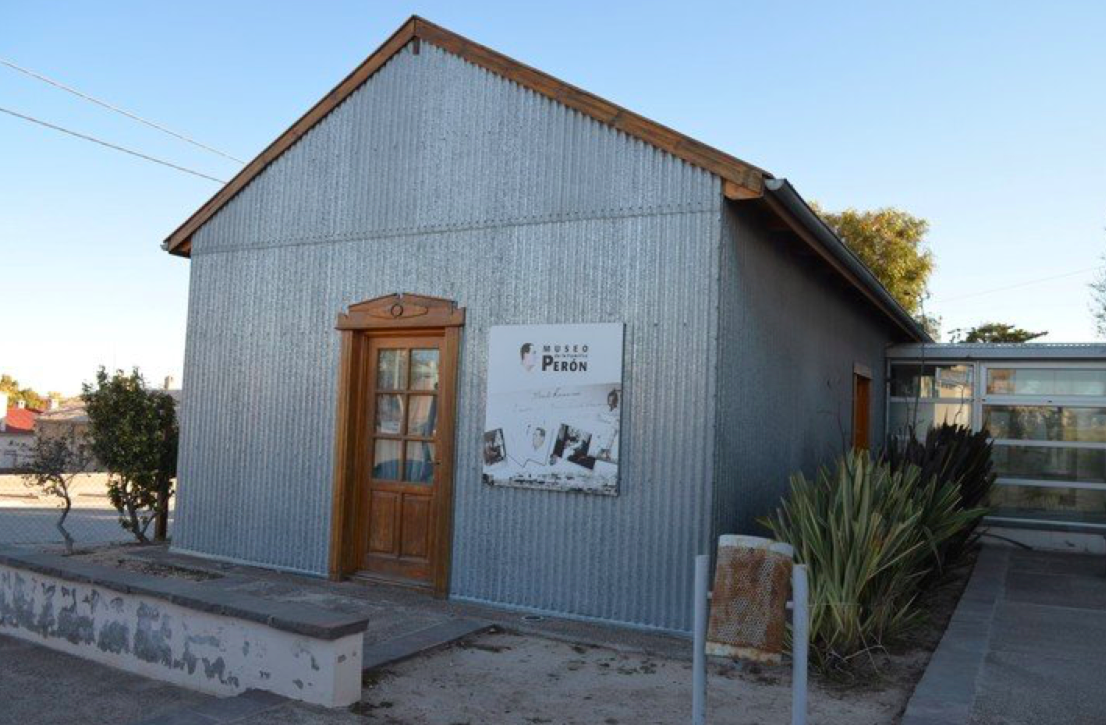
One of the unmissable places in the town is the Perón family museum, which tells about life in the area when, in 1903, Mario Tomás Perón installed himself as Judge of Peace in Camarones with his wife Juana Sosa and his son “Juanito”. Juan Domingo Peron spent his early childhood and the summers of his adolescence here.
Almost 30 km to the south, the Cabo Dos Bahías Natural Protected Area protects a colony of Magellanic penguins, and on the nearby Moreno Island you can see one-hair sea lions and birds. Some 100 km further south, Bahía Bustamante dazzles with its landscape of beaches of sand, rocky shores and coves with blue waters.
HOW TO GET
• From Buenos Aires to Camarones there are 1,614 km along the Ezeiza-Cañuelas Highway, RN 3 and RP 30 (3 km of gravel). The place is halfway between Trelew (255 km to the north) and Comodoro Rivadavia (260 km to the south).
• The closest airports are Comodoro Rivadavia (Airlines, JetSmart and Flybondi) and Trelew (Airlines and Flybondi).
• Bus from Retiro to Trelew (Don Otto, Andesmar, among others, 25 to 27 hours), from $12,700 to $16,125. From there, El Ñandú bus (Tuesday and Friday).
WHERE TO STAY
In Camarones there are hotels like the Indalo Inn, and several cabin complexes.
WHERE TO FIND OUT
• (0297) 496-3040
4. LAKE POSADAS, SANTA CRUZ
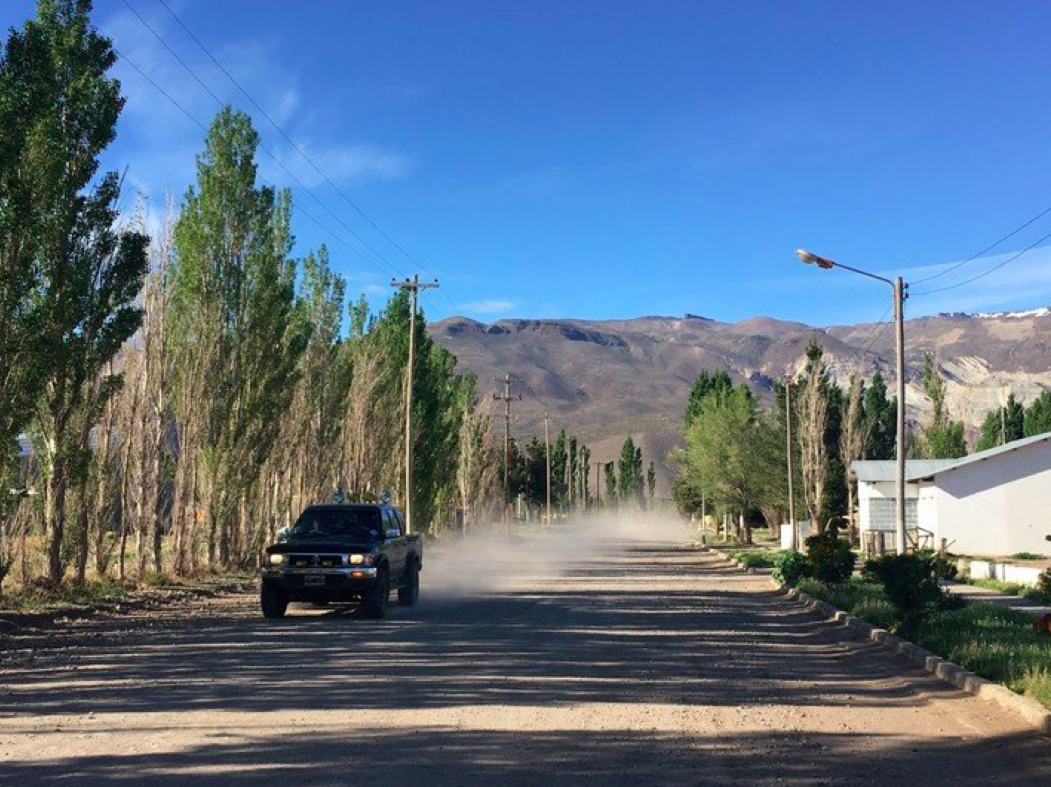
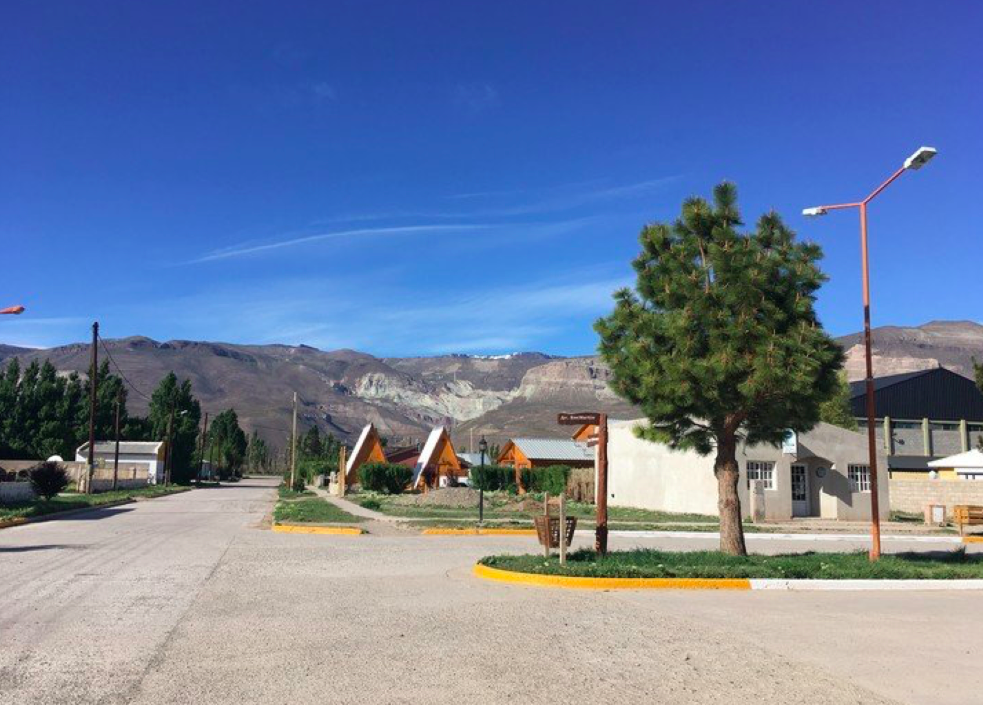
A true jewel in the steppe of Santa Cruz, almost 600 km north of El Calafate and 260 km south of Perito Moreno. In the middle of a valley through which the river Tarde runs, the town, with little more than five blocks long by four blocks wide, with mountain houses and the occasional inn, is surrounded by high plateaus: to the south, the plateau of Águila, and to the north, that of Lake Buenos Aires, the same one that houses the Patagonia National Park.
Ideal for a few days layover on a trip down Route 40 South, which runs through the West
of Santa Cruz, combining with a visit to Los Antiguos, the Cueva de las Manos, the Patagonia Park and, to the south, El Calafate and Los Glaciares National Park.
And also, for an unmissable tour of the province: Scenic Route 41, which connects Los Antiguos with Lago Posadas well to the west, close to the border with Chile, crossing great landscapes and passing next to Mount Zeballos.
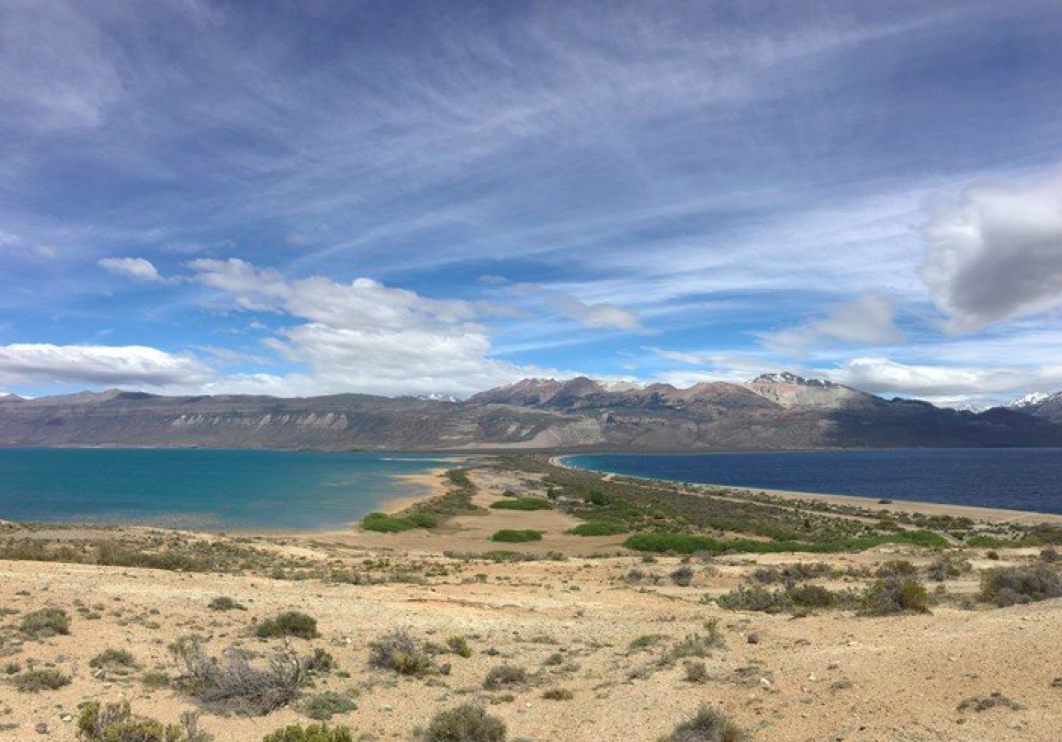
7 km from the town is the shore of the lake that gives it its name -Posadas-, joined by
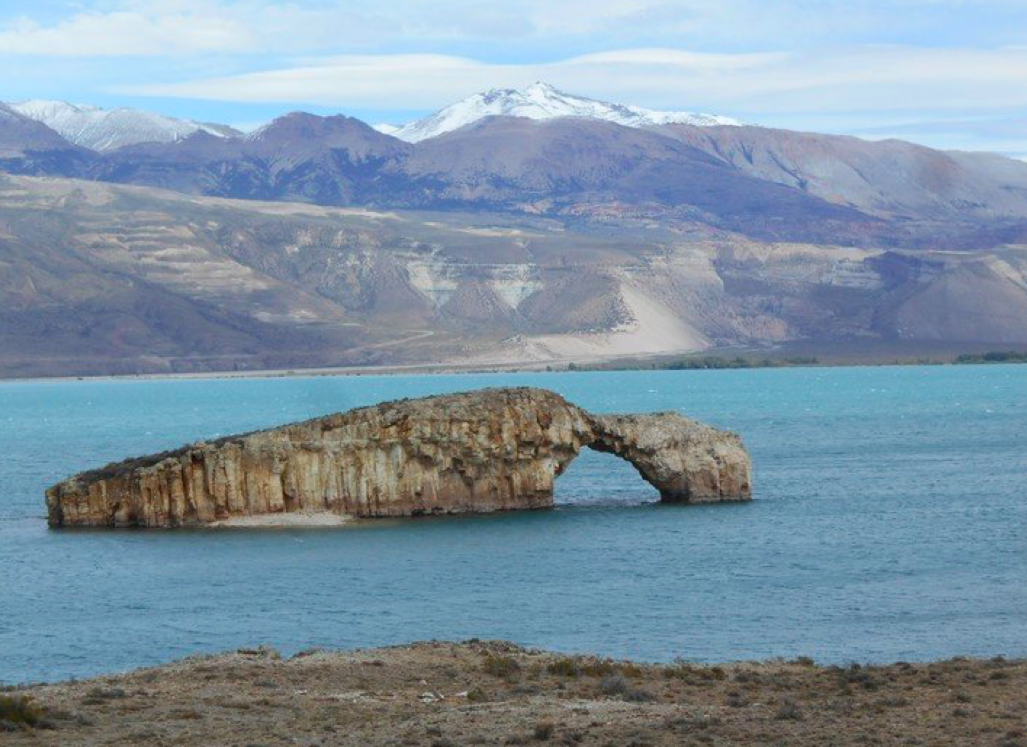
a thin isthmus with its neighbor to the west, Lake Pueyrredón: on one side, a lake
relatively small, with turquoise waters and a famous stone arch; on the other, just
a dozen meters, an enormous lake of blue waters in which the wind creates strong waves.
At the western end of the isthmus, which is reached by RP 39, a luxury resort that allows you to enjoy one of the great attractions of these lakes, as well as the nearby Oro River: fishing, both rainbow and brown trout and salmon, Patagonian perch and pejerreyes.
Experienced climbers find near the village – some 42 km in linestraight – a great challenge: Mount San Lorenzo, 3,700 meters above sea level, the highest in the province, whose pointed peak has not been conquered by many.
HOW TO GET
• From Buenos Aires to Lago Posadas it is 2,287 km along RN 3 to Comodoro Rivadavia and then RN 26, RN 40 and RP 39.
• The closest airports are El Calafate (571 km) and Comodoro Rivadavia (587 km), where Aerolineas, JetSmart and Flybondi fly.
• Retiro bus: there is no direct service. The most direct connection is the bus to Bariloche (Vía Bariloche, Chevallier, 24 hours, from $9,204 in a semi-bed to $13,205 in a bed); and from there, a Marga Taqsa bus (every day at 10 am, takes 12 hours), $11,000.
WHERE TO STAY
• Lodging, apart, cabins, inn, hotel and inn are part of the offer of accommodation in the town. Nearby, at one end of the isthmus between lakes Pueyrredón and Posadas, there is a resort, and on the banks of the Pueyrredón, a refuge and a ranch with accommodation.
WHERE TO FIND OUT
• (02963) 490260
• www.santacruzpatagonia.gob.ar
5. PORT ALMANZA, TIERRA DEL FUEGO
On these cold shores of the Beagle Channel, the Yámanas used to eat molluscs such as
mussels and “cholgas”, and they threw the shells around their huts and near the fires that lit almost permanently.
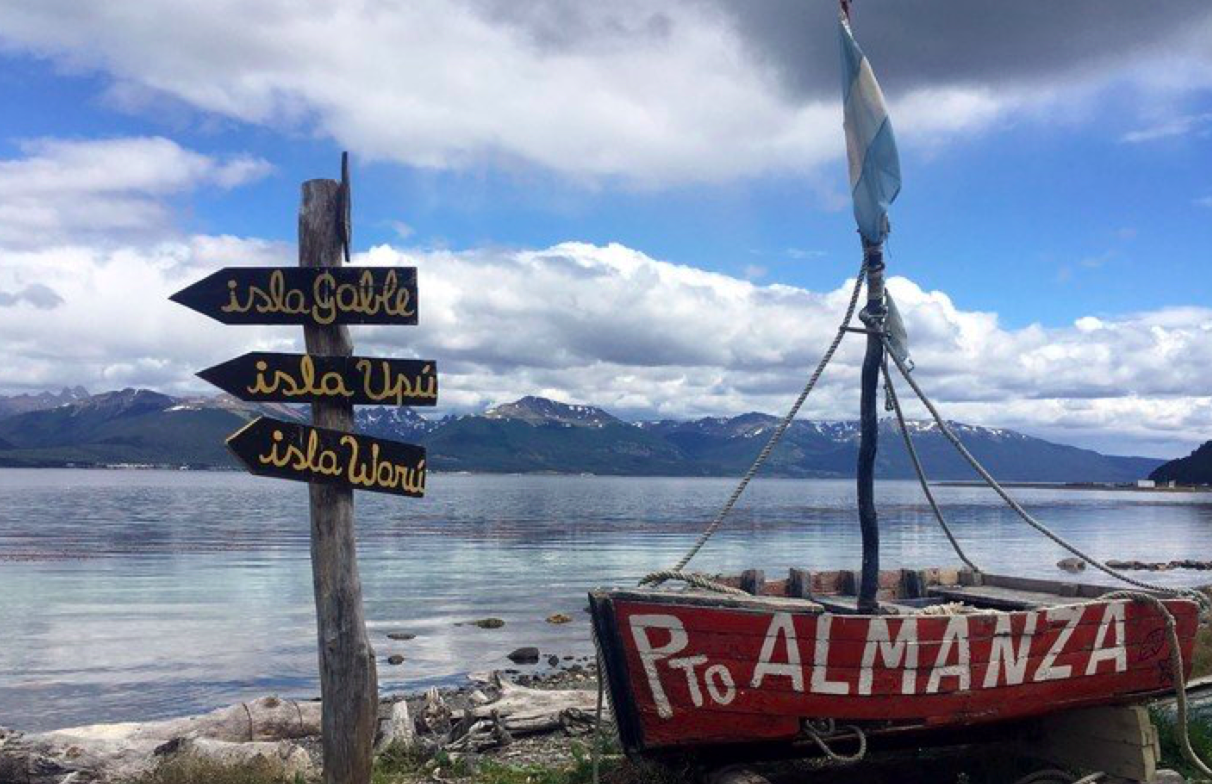
Several of those shell mounds can still be seen along the coast, and have been classified and studied in archaeological investigations. The data gives an idea of how virgin this region of Tierra del Fuego remains, a place to experience that “end of the world” under the skin sensation.
75 km from Ushuaia, Puerto Almanza is a small fishing settlement lying on a rocky beach of the Beagle Channel, along with detachments of Prefecture and the Navy and a small school, inaugurated in 2018 and named “44 Heroes of the Submarine ARA San Juan”.
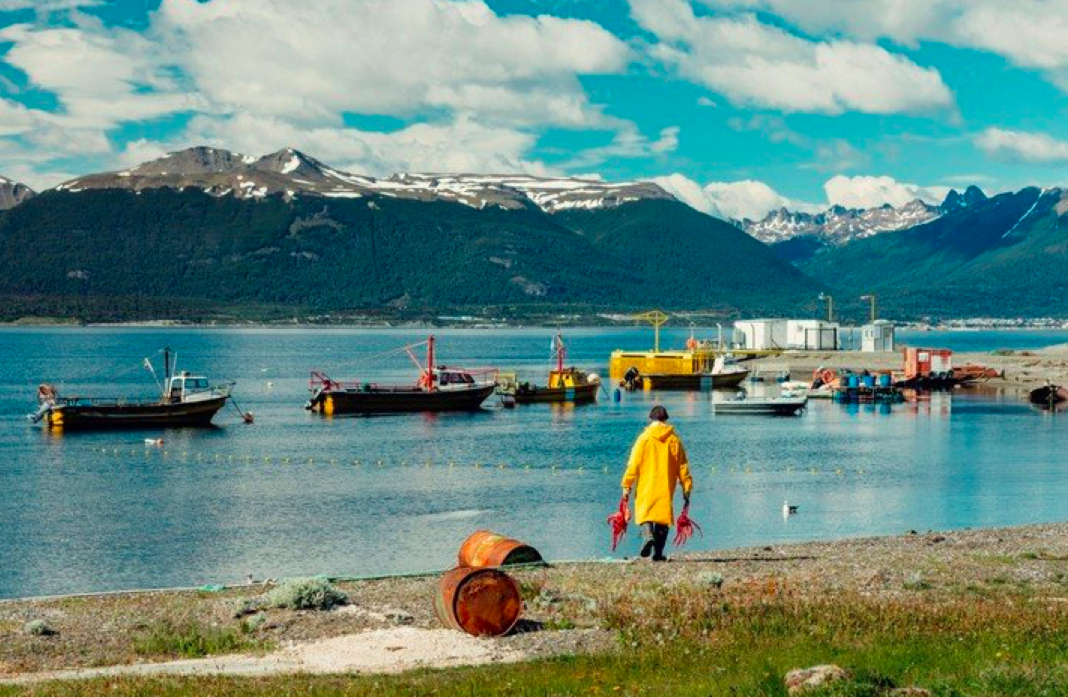
Between 1940 and 1950, a sawmill operated here, producing firewood that was transported by boat to Ushuaia. In 1966 the Prefecture detachment arrived, and in the 1990s the first inhabitants settled. The few families that live there today are dedicated to artisanal fishing, the extraction of spider crabs and the cultivation of mussels.
The place, precisely, is ideal for savoring delicacies from the sea in restaurants on the
coast, such as Zorro Viejo, La Sirena y el Capitan or La Mesita de Almanza, among others.
19 km to the east, along route “k”, is the historic Harberton ranch, founded in 1886 by Anglican missionary Thomas Bridges, the first “white man” to live permanently here, and still in the hands of the same family.
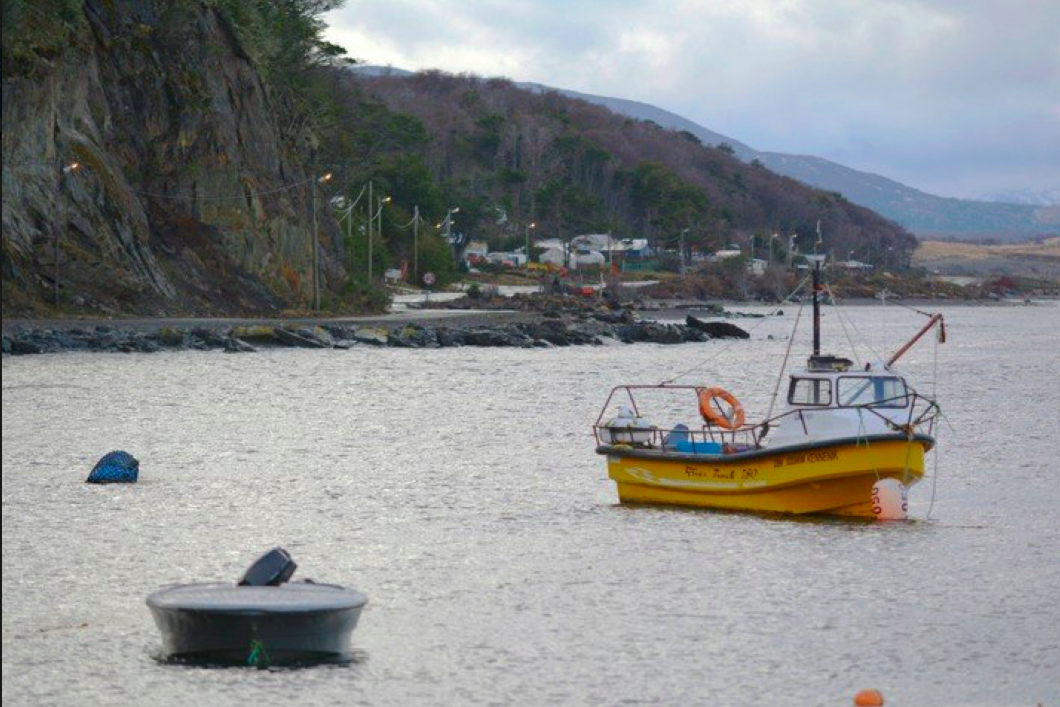
In addition to taking a guided walk, at the ranch you can learn about its history and part of Tierra del Fuego and visit the Acatushun Museum of Marine Birds and Mammals created by the North American biologist Natalie Prosser de Goodall.
The lenga forests that surround Puerto Almanza on the banks of the Beagle invite trekking and camping. Do not miss the Duendes Waterfall in Punta Paraná, heading to Estancia Remolino, where there are several archaeological sites.
HOW TO GET
• Ushuaia is 3,163 km from Buenos Aires by RN 3. To get there by land you have to enter
to Chile in the south of Santa Cruz, cross the Strait of Magellan on a ferry and tour 150 km through Chilean routes before re-entering Argentina near Río Grande.
• Aerolineas Argentinas, JetSmart and Flybondi fly to Ushuaia airport.
WHERE TO STAY
• Ushuaia, 75 km from Almanza, has a wide variety of accommodation, of different
type and category. Estancia Harberton (19 km) has some rooms.
WHERE TO FIND OUT
6. CONCEPTION DEL YAGUARETÉ CORÁ, CORRIENTES
In the Plaza 25 de Mayo of this town that officiates as a gateway to a sector of the Esteros del Iberá, welcomes the monument to Pedro Ríos, the “Little Drum of Tacuarí” or “hero boy”, who at the age of 12 enlisted in the army of the Provinces Nations of the Río de la Plata, under the command of Manuel Belgrano, and died in the battle of Tacuarí, where he played the drum encouraging the troops.
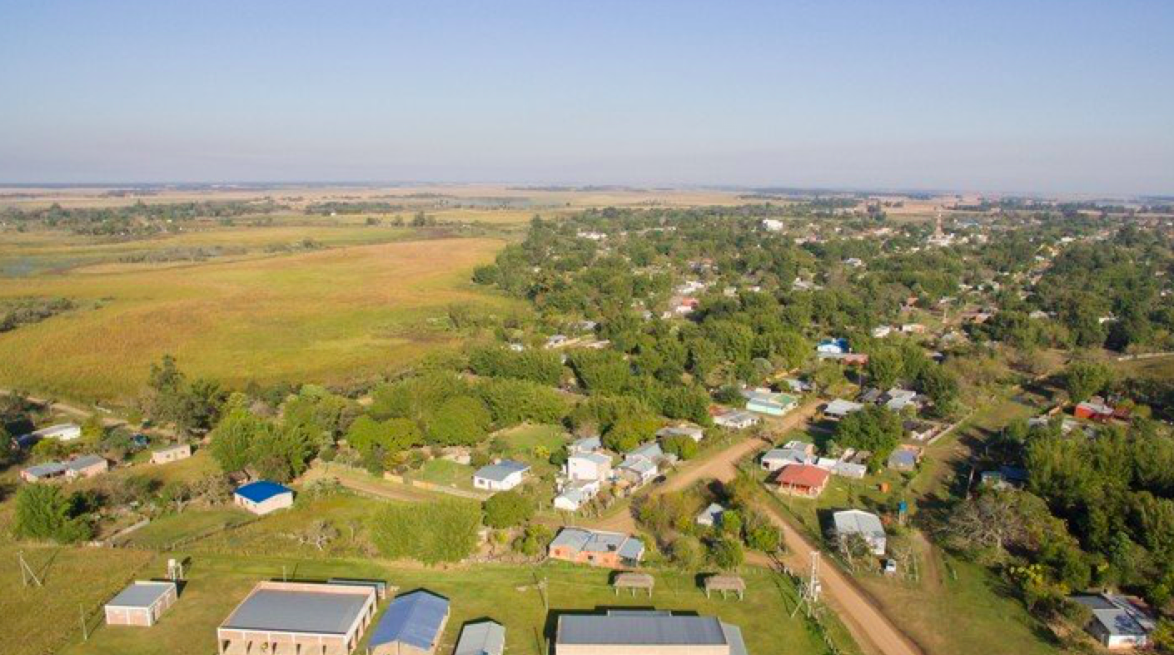
The origins of the town, declared a “national historic town” in 2019, are dated back to September 21, 1796, when the village of Yaguareté Corá (“tiger corral” in Guaraní) with small independent farmers and ranchers.
In the town “nature coexists harmoniously, its streets of sand and an overwhelming Italianate architecture that marks the prestige and development of the city in other times”, considered the Executive in the text that declared it “Historic Town”. And it stressed that “between the 17th and 18th centuries, the entire region was occupied by the Society of Jesus, an order that established important livestock farms in which big ‘stalls’ they built chapels, and after the expulsion of the Jesuits in the year 1767, the entire sector occupied by the Order was abandoned”
Yaguareté Corá resurfaced thanks to tourism and the growth of the Esteros del Iberá, especially since they were declared a National Park. Since the town began to offer ecotourism activities and tours in trails, rivers and streams of the second largest wetland in South America, proposals arose for accommodation and gastronomic premises.
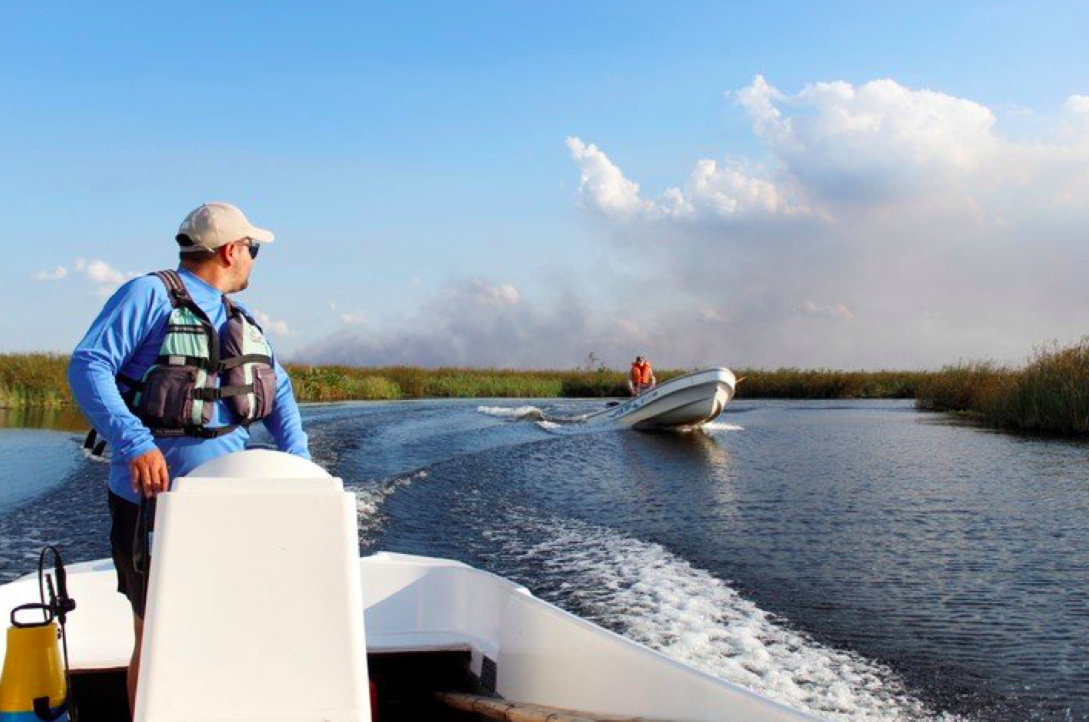
An excellent excuse to visit a spectacular flora and fauna combining with the historic stamp, where Belgrano’s troops rested, and the old parish where the hero attended mass; the Plaza 25 de Mayo with the monument to the Tamborcito de Tacuarí, and different museums. In addition, nearby rooms invite you to make direct contact with the rural life of the field and the gauchos from Corrientes.
HOW TO GET
• From Buenos Aires to Concepción del Yaguareté Corá there are 825 km along RN 9 to Zárate, Zárate-Brazo Largo bridge, RN 12, RN 14, RN 119, RN 123 and RP 22.
• The closest airport is Corrientes capital, 189 km away.
• Bus from Corrientes (ERSA, 3 hours), $1,140.
WHERE TO STAY
In Concepción there are various accommodations, from cabins to lodgings and
departments.
WHERE TO FIND OUT
• www.concepciondelyaguaretecora.gob.ar
7. TOAY, LA PAMPA
One could well think that it is a neighborhood on the outskirts of Santa Rosa, since from the city you can get there in 15 minutes (there are 11 km) along Juan Domingo Perón avenue.
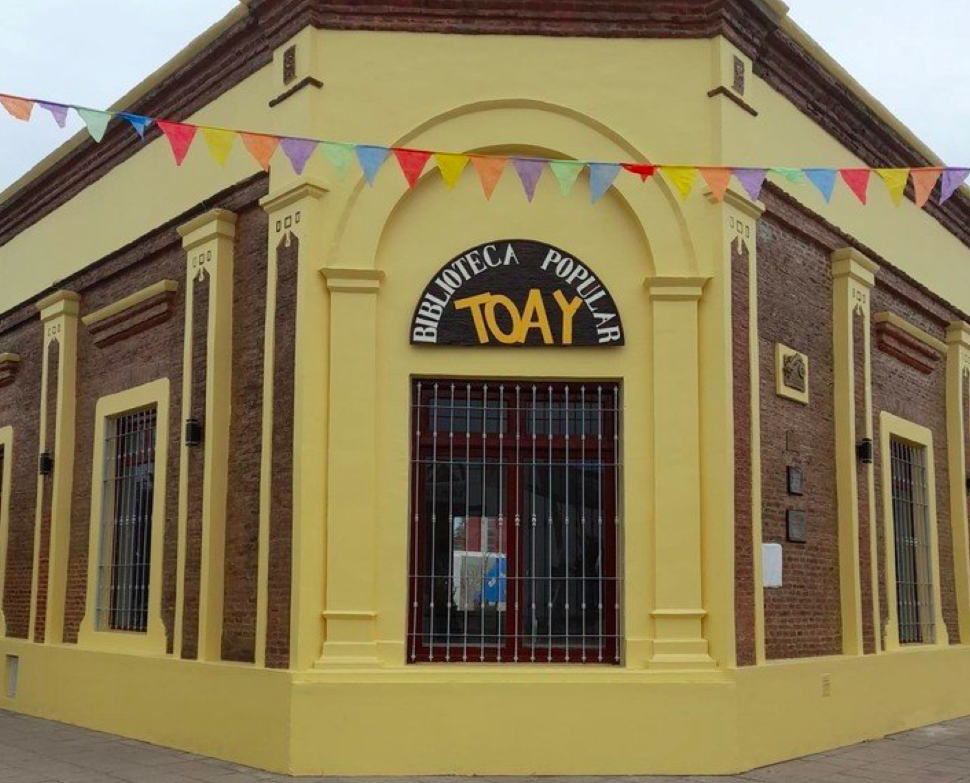
But no, Toay, despite its proximity to the capital of La Pampa, is another municipality, a
town with history, where the poet Olga Orozco was born, where there’s horseback riding,
hiking and mountain biking and where you can visit a historical museum and a center of interpretation of the ranquel culture, among other attractions.
“La Pampa has the ombú”, says the popular phrase. But in reality, what La Pampa has –
province- is the caldén, a tree endemic to Argentina and a provincial symbol that can be seen – less than before, nearly two-thirds of the forests were lost natives- in the vicinity of Toay.
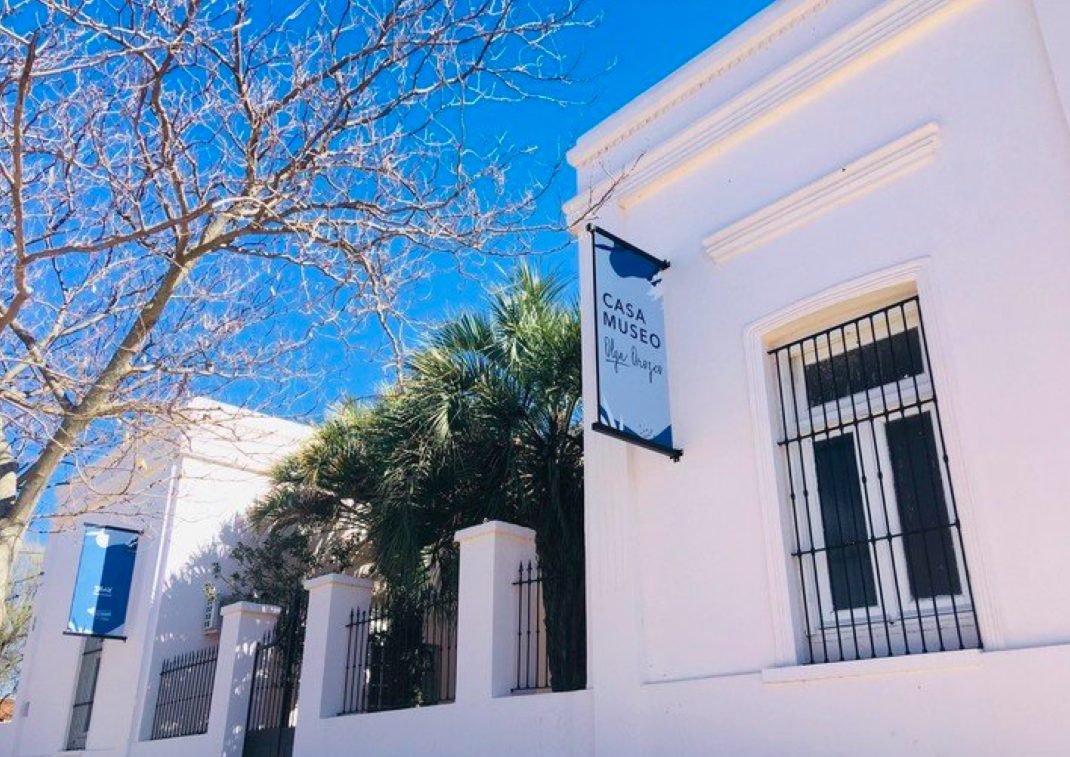
Precisely the exploitation of forests in Caldén was one of the activities to which dedicated Italian immigrant Carmelo Gugliotta, who arrived in La Pampa in 1900. In 1906 he finished building his house in Toay, and on March 17 his daughter Olga was born there. In 1993 the house was transformed into the Olga Orozco House Museum, where there are cultural activities around the work of the poetess and you can visit her library.
In the town there are also proposals to enjoy horseback riding, activities related to horse riding and sports such as jumping, “pato” or endurance in “equestrian spaces” such as Chacra Tridente and El Fortín. And, of course, you can rent horses or sulkys to take a simple walk through the Pampas mountains.
“We also have the Museo del Pueblo, located in the former railway station, where old objects, photos and clothing contributed by neighbors or acquired are exhibited by the municipality”, says the director of municipal tourism, Valeria Manera. And she adds: “We also have the Casa del Bicentenario, a theater where they put on shows, theater and film rounds, and the Botanical Garden, with a native forest where flora and wild fauna are seen. There are guided tours, bird watching and every October the Expo Vivero is held”.
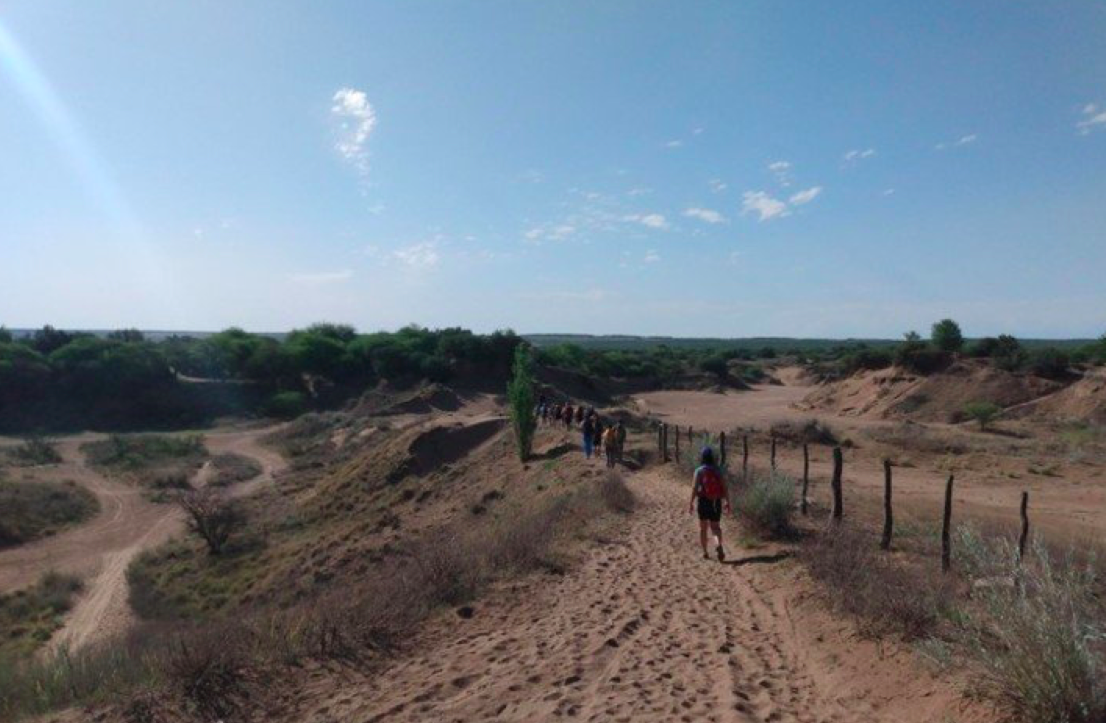
The Hunting Club also offers a large recreational park ideal for spending the day, camping, enjoying the pool and sports courts.
HOW TO GET
Toay is 11 km from Santa Rosa and 615 from Buenos Aires by RN 5 and J. D. Perón avenue.
WHERE TO STAY
Santa Rosa has a wide range of accommodation, from hotels to apartments, cabins, residences and inns.
WHERE TO FIND OUT
• (02954) 381991 / 93 / 94
More: Argentina news in English, every day from The Rio Times.
This article was produced by The Rio Times’ automated newsroom system. How we use AI · Report an error · Editorial responsibility: Matthias Camenzind, Editor-in-Chief