Worsening economy and high interest rates should decrease credit in Brazil
RIO DE JANEIRO, BRAZIL – The increase in the basic interest rate (SELIC) and the possible worsening of economic indicators, with new rounds of isolation measures due to the worsening of the Covid-19 pandemic, should make the credit market more restrictive throughout this year.
In this context, according to economists consulted by Folha de S.Paulo, loans will cost more and banks will be less willing to provide financing. This happens when the economy is doing badly, because the risk of default increases.
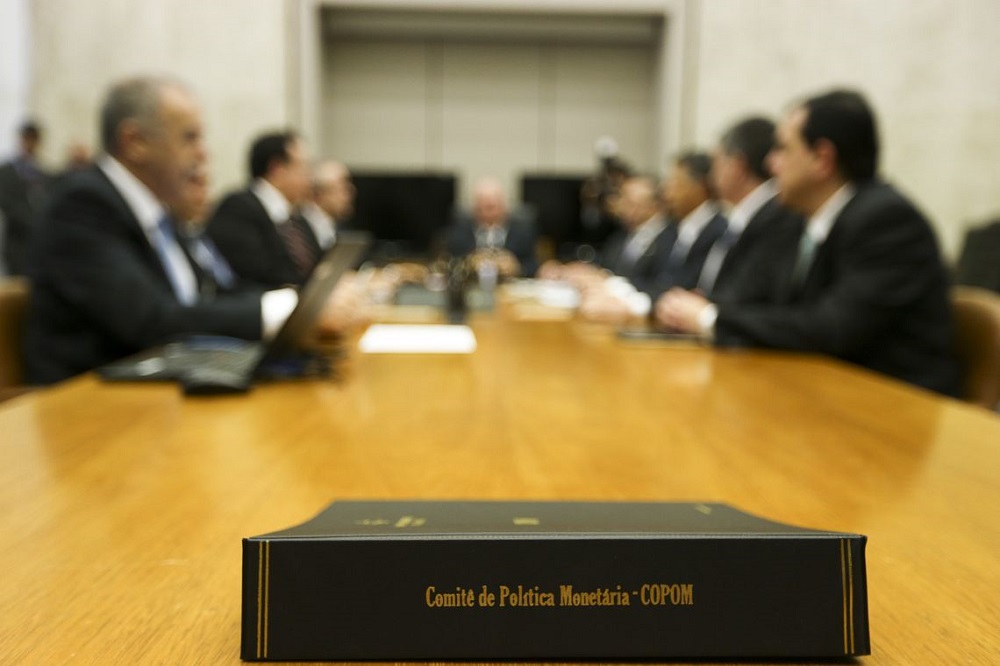
The Central Bank’s COPOM (Monetary Policy Committee) raised the SELIC rate by 0.75 percentage points, to 2.75% per year, on Wednesday, March 17th, a decision above market expectations. Interest rates were at their lowest level since August last year, at 2% a year, as a response to the crisis.
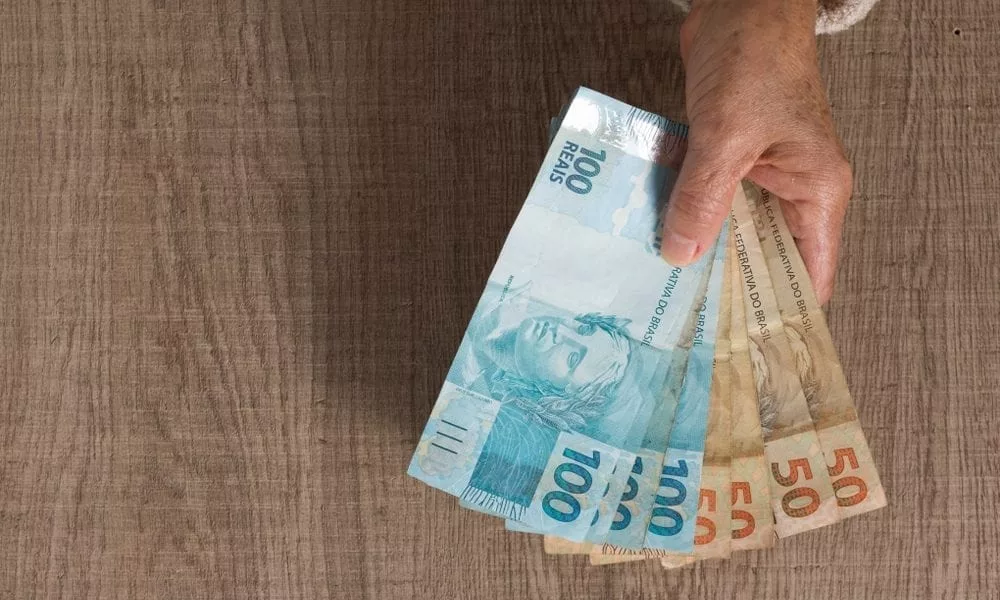
“The prolongation of the pandemic and now the deepening will hit the economy, and March and April will be very bad. Credit will become more expensive not only because of the increase in the basic rate, but because of the perception that people and companies will not be able to honor their commitments,” evaluates the chief economist of JF Trust Investimentos, Eduardo Velho.
“The banks will be much more cautious and the demand for credit itself may fall,” bets the analyst. For him, the volume of loans may decline in 2021. “There will certainly be a deceleration, and it is possible that there will even be a fall,” he says.
Besides this, despite the emergency credit programs that have been discussed, the fiscal space is smaller and, now, these lines should be less expressive.
Even in the face of the worst economic crisis in recent history, the credit market grew 15.5% last year, which should not be repeated this year. Loans were boosted by a set of factors, such as the lowest interest rates in history, government stimulus packages and regulatory loosening.
Data from the Central Bank show that the pace of new credit concessions has already slowed. In the most critical months of the crisis, such as April and May, the concessions fell significantly. Later, with incentive measures from the government and the monetary authority, they grew 9.4% in July.
In November, the total of new loans rose 1.4%, and in December it fell 9.8%. In January this year, there was an increase of 1.9%.
The BC’s latest forecast for the growth of the financial system’s credit portfolio was 7.8% for 2021. The estimate was published in the last quarterly inflation report, in December.
The monetary authority will revise the figure on Thursday, March 25th, when a new report will be published.
Rafael Schiozer, professor of finance at FGV (Getulio Vargas Foundation), assesses that the agency’s projection will be lower this time. “I don’t believe that the credit market will have such a drastic deceleration, but it won’t expand as much either. I believe that it should have zero real growth [discounting inflation], which would be a rate of 4% to 5%,” he points out.
For him, the trend is that the Central Bank will not repeat the measures it took at the beginning of the pandemic, releasing capital and liquidity to the banks.
Liquidity is the amount of resources available in financial institutions. The more cash on hand, the greater the possibility of increasing their lending.
“There is no lack of liquidity in the banks and it would be contradictory to increase the Selic [to reduce stimulus in the economy] and release resources in the financial system. What will be reduced is the appetite of the institutions when it comes to lending,” he highlights.
The Central Bank publishes a quarterly survey that measures the level of appetite of banks to grant credit. The survey is measured on a scale of -2 to +2. Negative numbers indicate low supply and positive, high.
Even with the measures to fight the pandemic, with government-subsidized lines of credit directed to micro and small companies, in the second and third quarters of 2020 the numbers were negative for the segment, -0.53 and -0.17 respectively. In the previous six quarters the data had been positive.
The chief economist of the consulting firm Análise Econômica, André Galhardo, assesses that even if there is expansion in the stock of credit, it will not be in lines focused on investment, but linked to the financial tightening of the Brazilian companies.
“Even with higher interest rates, people will need to take out loans for consumption of basic products, which is bad, because it reflects the drop in income and the level of unemployment. This kind of growth is not good,” he says.
According to Galhardo, the spread – the difference between the banks’ funding rate and what they charge for loans – is still a problem in the country, even with the fall in interest rates in recent years, because of the high level of banking concentration.
“More than 80% of credit is concentrated in the hands of the five largest banks,” he ponders.
The president of brokerage firm Wiz, Heverton Peixoto, says that the market will remain in growth and that this is an opportunity for new entrants (fintechs and digital banks) to expand their operations.
For him, the change is temporary and not structural. “It is a movement [of entry of new institutions and credit growth] that will remain in the coming years,” he says.
Source: Folha de S.Paulo
More: Brazil news in English, every day from The Rio Times.
This article was produced by The Rio Times’ automated newsroom system. How we use AI · Report an error · Editorial responsibility: Matthias Camenzind, Editor-in-Chief