World Cup Works Push Mexico City Sex Workers Off Their Streets
Mexico · Society
Key Facts
—The march. On June 2, the International Day of the Sex Worker, dozens marched from the Ángel de la Independencia to the Palace of Fine Arts in central Mexico City.
—The cause. World Cup construction on Calzada de Tlalpan, an avenue leading to the opening-match stadium, where many had worked for decades.
—The works. An elevated park and cycle lane costing nearly 2 billion pesos ($111m), part of the city’s pre-tournament makeover.
—The losses. Organisers say incomes have fallen by as much as 70% to 90%, with some workers pushed into homelessness.
—The demand. Compensation for lost income, plus housing, health and security guarantees, and a clear distinction between consensual adult sex work and human trafficking.
The avenue being remade to welcome World Cup visitors has, the women who work it say, erased a livelihood that predates the tournament by decades.
Sex workers march through central Mexico City
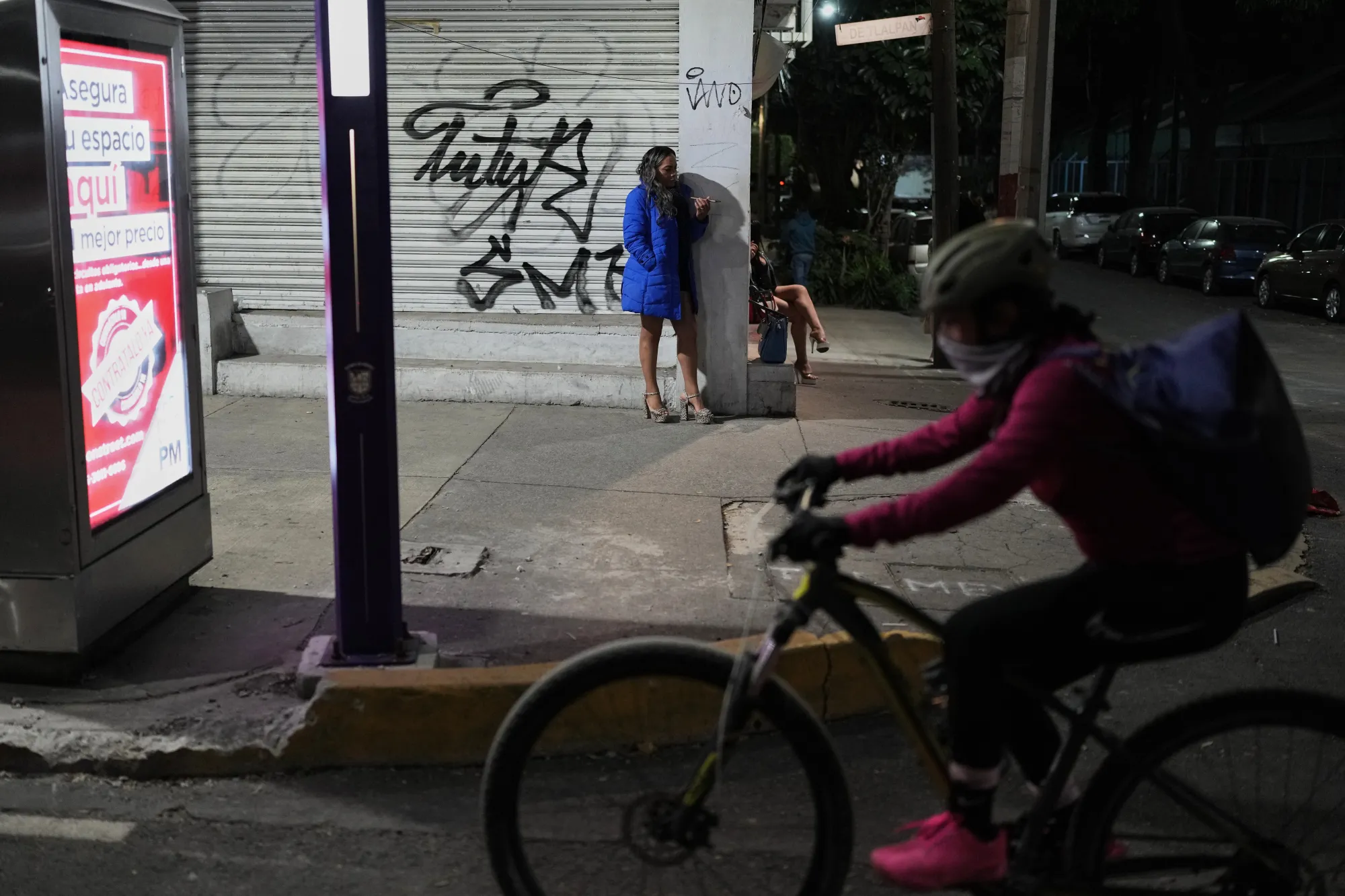
On Tuesday, June 2, marked internationally as the Day of the Sex Worker, dozens of women marched through the centre of Mexico City, from the Ángel de la Independencia toward the Palace of Fine Arts, to protest the effects of World Cup preparations on their work. The demonstration borrowed the slogan echoing across the capital’s pre-tournament protests — “if there’s no solution, the ball won’t roll” — and added one of its own: “we want housing; the World Cup means nothing to us.” Their grievance is concrete and pre-dates the tournament: the women say works carried out to dress the city for football have stripped them of a place to earn a living.
The focus of their anger is Calzada de Tlalpan, one of Mexico City’s great arteries, which runs much of its length toward the Estadio Ciudad de México — the stadium that will host the opening match on June 11. The avenue has for decades been one of the capital’s central locations for street-based sex work. The women say the construction has displaced them and cut their incomes sharply, with organising groups citing falls of between 70% and 90% and reporting that some workers, many of them heads of household, have been left on the street.
A makeover with a human cost
The works at the centre of the dispute are substantial. The Mexico City government is building an elevated park and a cycle lane along Tlalpan at a cost of nearly 2 billion pesos ($111m), presented by city authorities as a project to prioritise cyclists and deliver “inclusive mobility” along a route that runs from the historic centre to the stadium district. The women who work the avenue see it differently: as an attempt to clean up the city’s image for the foreign visitors arriving for the tournament, at the direct expense of a population that has long depended on the corridor. Their case, backed by the support organisation Brigada Callejera, is that large urban megaprojects ought to include mitigation and compensation for the communities they uproot.
A spokeswoman identified only as Ana said authorities must repair the economic damage the construction has caused. The marchers also pressed for guarantees on housing, health and security, and were careful to draw a line that often gets blurred in coverage of mega-events: they insisted on distinguishing sex work carried out voluntarily by adults from the crimes of human trafficking and sexual exploitation — risks that international bodies have flagged as heightened around large sporting tournaments, but which are not the same thing as the livelihood the protesters are defending.
More: Latin America news in English, every day from The Rio Times.
Part of a wider pre-tournament wave
The march did not stand alone. The sex workers explicitly linked their cause to other social movements converging on the capital before kickoff, including the militant teachers of the CNTE, whose own escalating protests have toppled World Cup statues and threatened to disrupt the opening match. Coming during Pride month, the demonstration also appealed to the LGBTQ+ community for support. Together, the overlapping protests sketch a portrait of a host city where the tournament’s arrival has become a focal point for grievances that have little to do with football and everything to do with who bears the cost of preparing a megacity for the world’s gaze.
For the women of Tlalpan, the stakes are immediate and unresolved. With the opening match days away and no compensation agreed, they have promised to keep mobilising — a reminder that the infrastructure built to showcase a city to visitors can quietly displace the people who were already living and working on the very streets being remade.
Frequently Asked Questions
Why are sex workers protesting the World Cup?
Construction works to prepare Calzada de Tlalpan, an avenue leading to the opening-match stadium, have displaced women who worked there and cut their incomes sharply.
How large is the income loss?
Organising groups report falls of between 70% and 90%, with some workers, many of them heads of household, left without housing.
What are the works on Tlalpan?
An elevated park and cycle lane costing nearly 2 billion pesos ($111m), running from the historic centre toward the Estadio Ciudad de México.
What are the protesters demanding?
Compensation for lost income, plus housing, health and security guarantees, and recognition that consensual adult sex work is distinct from trafficking and exploitation.
Connected Coverage
The protest is part of a wider wave of pre-tournament unrest in the capital, alongside the militant teachers’ union that toppled World Cup statues on Paseo de la Reforma.
This article was produced by The Rio Times’ automated newsroom system. How we use AI · Report an error · Editorial responsibility: Matthias Camenzind, Editor-in-Chief
Living in or visiting Mexico City? See this month's events and our Mexico City city guide with rents, safety and upcoming concerts.